BSP Chief Mayawati Demands SC and ST Sub-Quota in Women Reservation Bill
Bahujan Samaj Party leader Mayawati has called for a separate sub-quota for Scheduled Caste and Scheduled Tribe women within the upcoming national legislative reservation framework.
 🌏Asia-Pacific
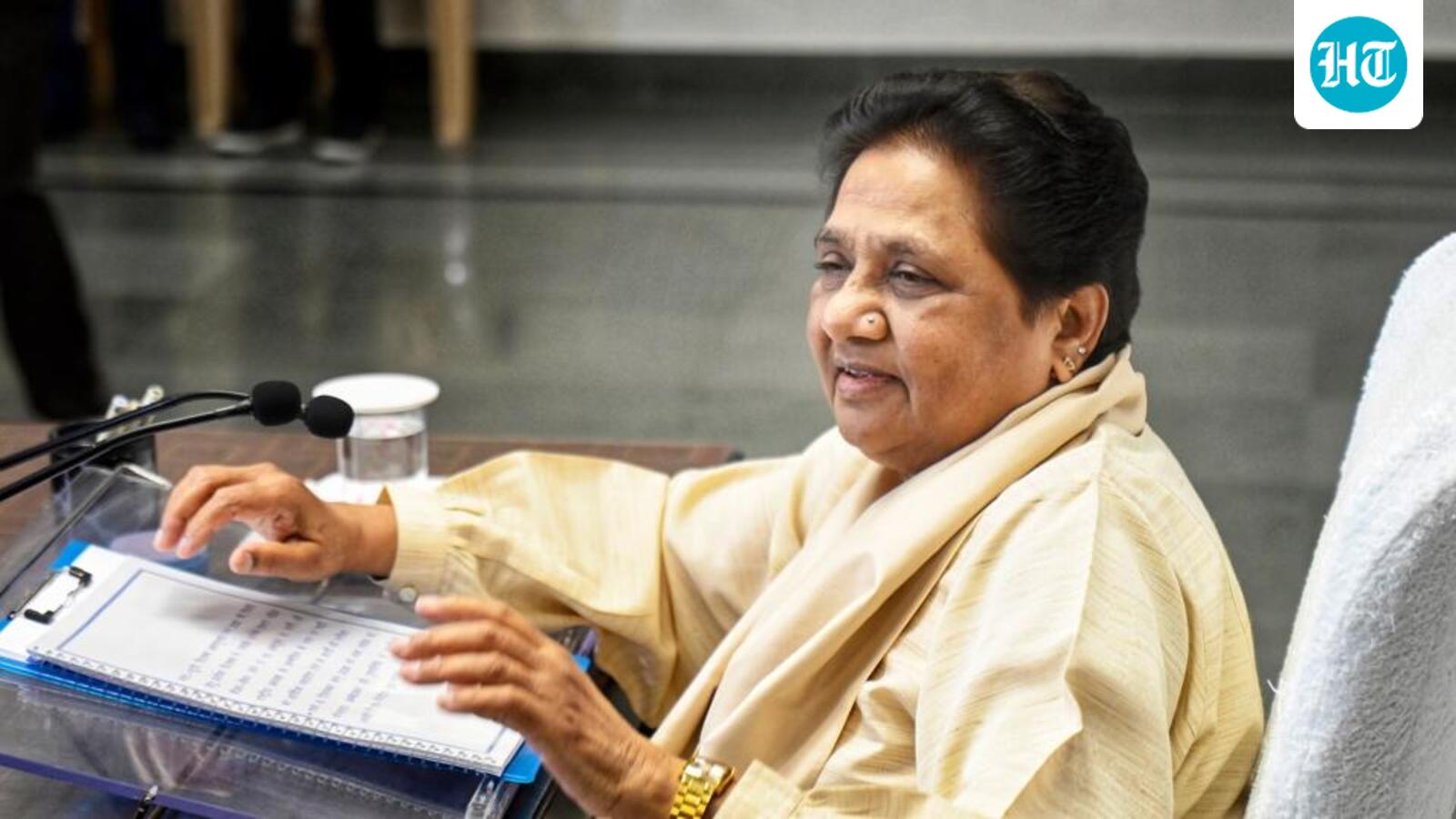
Photo: Hindustan Times
Key points
- Mayawati demands an SC and ST sub-quota within the women reservation bill
- Union Cabinet proposed a fifty percent increase in legislative seats
- Delimitation framework relies on 2011 census data ahead of 2029 polls
Bahujan Samaj Party chief Mayawati publicly welcomed the federal government's renewed push for a thirty-three percent reservation for women in the Lok Sabha and state assemblies, while simultaneously demanding an explicit sub-quota for women belonging to Scheduled Castes and Scheduled Tribes. Ahead of the upcoming special session of Parliament, the former Uttar Pradesh chief minister asserted that a separate internal arrangement is essential to guarantee meaningful and equitable political representation for historically oppressed communities.
The Union Cabinet recently cleared a legislative package designed to operationalize women’s reservation through a delimitation process, proposing a fifty percent increase in the number of parliamentary and assembly seats. The proposed constitutional amendments aim to implement the reservation before the general elections scheduled for 2029, utilizing population data from the 2011 Census for boundary demarcation. However, Mayawati expressed skepticism regarding the broader restructuring, questioning the political motives behind the seat expansion and voicing concerns that the governing party might manipulate the exercise to secure electoral advantages.
Invoking the constitutional legacy of B. R. Ambedkar, Mayawati urged the central administration to give sympathetic consideration to her party's demand for a distinct sub-reservation. Her statements carry substantial political weight with upcoming state assembly contests on the horizon, as the proposed modifications to legislative districts and gender quotas threaten to significantly alter candidate selection and voter dynamics across key regions.
The stakes
If the demand for a sub-quota is accepted, marginalized communities gain a secured political footing, whereas the ruling coalition risks delays and complicated negotiations in passing the legislative package through Parliament.
Two readings
- Supporters argue that an internal quota prevents dominant groups from monopolizing reserved seats and truly empowers marginalized women.
- Critics contend that adding extra sub-categories could needlessly complicate the legislative framework and stall crucial institutional reforms.
Source Hindustan Times — hindustantimes.com/india-news/mayawati-seeks-separate-quota-for-sc-… ↗
Read next
 ✒️Opinion & Analysis
ICJ Rules Myanmar Military Committed Genocide Against Rohingya
The International Court of Justice has found Myanmar's military guilty of genocide against the Rohingya, a ruling that damages the international standing of both Aung San…
 🕯️Democracy & Rights
Chinese teachers face rising parental pressure over personal life choices
Chinese educators are encountering a surge in unreasonable demands from parents, including complaints regarding teachers' pregnancy and maternity leave.
 🛡️War & Security
Ukraine Restricts Media Coverage of Infrastructure Damage Amid Russian Strikes
President Volodymyr Zelenskyy has issued a decree prohibiting media outlets from reporting on the impact of Russian strikes against critical infrastructure and the status…
 🏮China & Taiwan
Beijing Reaffirms Reunification Stance Following Taiwan Local Election Results
China’s Taiwan Affairs Office declared that the island’s reunification with the mainland remains inevitable, despite recent shifts in Taiwan's local political landscape.
 🇪🇺Europe
US Air Force Repels Unauthorized Drone Incursion at RAF Lakenheath
U.S. security forces at a British air base successfully countered a group of unidentified drones, amid growing concerns over potential foreign state involvement.
 ⚖️Law & Policy
India Government Proposes 50% Increase in Parliamentary Seats and Women's Reservation
The Indian government plans to introduce legislation to expand the Lok Sabha to 850 seats and mandate a 33% reservation for women in legislative bodies.