Singapore Firm Megaspeed Faces Scrutiny Amid Nvidia Chip and Espionage Allegations
A Singapore-registered company has drawn international scrutiny following US allegations linking it to Chinese espionage and a controversy surrounding Nvidia chief Jensen Huang.
 🌏Asia-Pacific
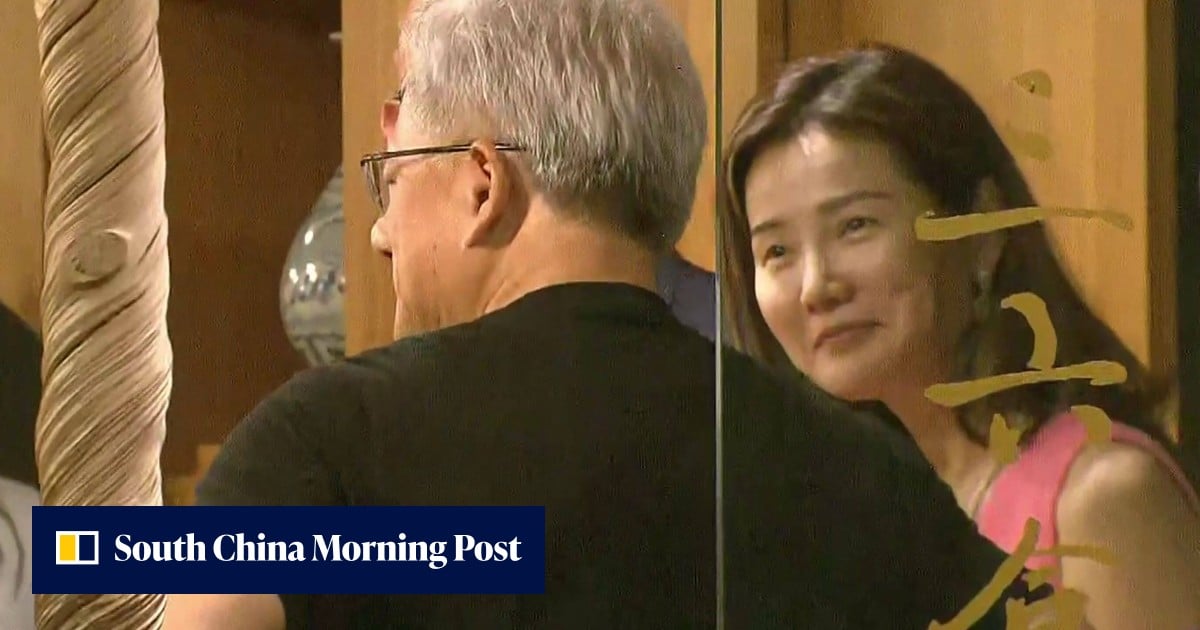
Photo: SCMP Asia
Key points
- Megaspeed faces US scrutiny over alleged Chinese espionage ties
- The controversy involves Nvidia and regional semiconductor supply chains
- Singaporean authorities face pressure to tighten corporate oversight
A little-known corporate entity registered in Singapore, Megaspeed, has emerged at the center of a geopolitical and corporate controversy involving US chip giant Nvidia and accusations of Chinese espionage. United States authorities have placed the firm under close examination as part of broader investigations into technology transfers and export controls designed to restrict advanced semiconductor access.
The unfolding situation highlights the complex web of intermediary firms operating across Southeast Asia that complicate international efforts to enforce technological sanctions. Singaporean authorities have yet to issue a comprehensive formal statement regarding the specific compliance failures of the entity, while global regulators increase pressure on regional jurisdictions to tighten oversight of cross-border component shipments.
The controversy touches upon broader concerns over how high-performance processors flow through secondary markets despite stringent export restrictions enacted by Washington. As investigators examine the operational network of the firm, questions persist regarding the adequacy of corporate registration safeguards and the ability of regional authorities to monitor sensitive high-tech commerce effectively.
The stakes
Stricter monitoring of regional trade hubs and technology supply chains could emerge if investigations uncover systemic compliance gaps in Southeast Asia. Singapore stands to lose its reputation as a frictionless hub if it fails to tighten corporate governance, while Washington gains leverage in enforcing semiconductor export curbs.
Two readings
- Supporters of tighter controls view the scrutiny as a necessary step to plug security loopholes and prevent the unauthorized diversion of advanced artificial intelligence hardware.
- Critics argue that broad investigations create unnecessary regulatory friction for legitimate businesses operating across Asian commercial centers.
Source SCMP Asia — scmp.com/news/asia/article/3373921/singapore-firm-nvidia-scandal-in… ↗
Read next
 ✒️Opinion & Analysis
ICJ Rules Myanmar Military Committed Genocide Against Rohingya
The International Court of Justice has found Myanmar's military guilty of genocide against the Rohingya, a ruling that damages the international standing of both Aung San…
 🕯️Democracy & Rights
Chinese teachers face rising parental pressure over personal life choices
Chinese educators are encountering a surge in unreasonable demands from parents, including complaints regarding teachers' pregnancy and maternity leave.
 🛡️War & Security
Ukraine Restricts Media Coverage of Infrastructure Damage Amid Russian Strikes
President Volodymyr Zelenskyy has issued a decree prohibiting media outlets from reporting on the impact of Russian strikes against critical infrastructure and the status…
 🏮China & Taiwan
Beijing Reaffirms Reunification Stance Following Taiwan Local Election Results
China’s Taiwan Affairs Office declared that the island’s reunification with the mainland remains inevitable, despite recent shifts in Taiwan's local political landscape.
 🇪🇺Europe
US Air Force Repels Unauthorized Drone Incursion at RAF Lakenheath
U.S. security forces at a British air base successfully countered a group of unidentified drones, amid growing concerns over potential foreign state involvement.
 ⚖️Law & Policy
India Government Proposes 50% Increase in Parliamentary Seats and Women's Reservation
The Indian government plans to introduce legislation to expand the Lok Sabha to 850 seats and mandate a 33% reservation for women in legislative bodies.