Philippines’ Marcos Administration Faces Criticism Over Manila Beautification Before ASEAN Summit
Critics accuse the Philippine government of displacing homeless residents and street vendors to project a sanitized image of Manila ahead of the upcoming ASEAN summit.
 🌏Asia-Pacific
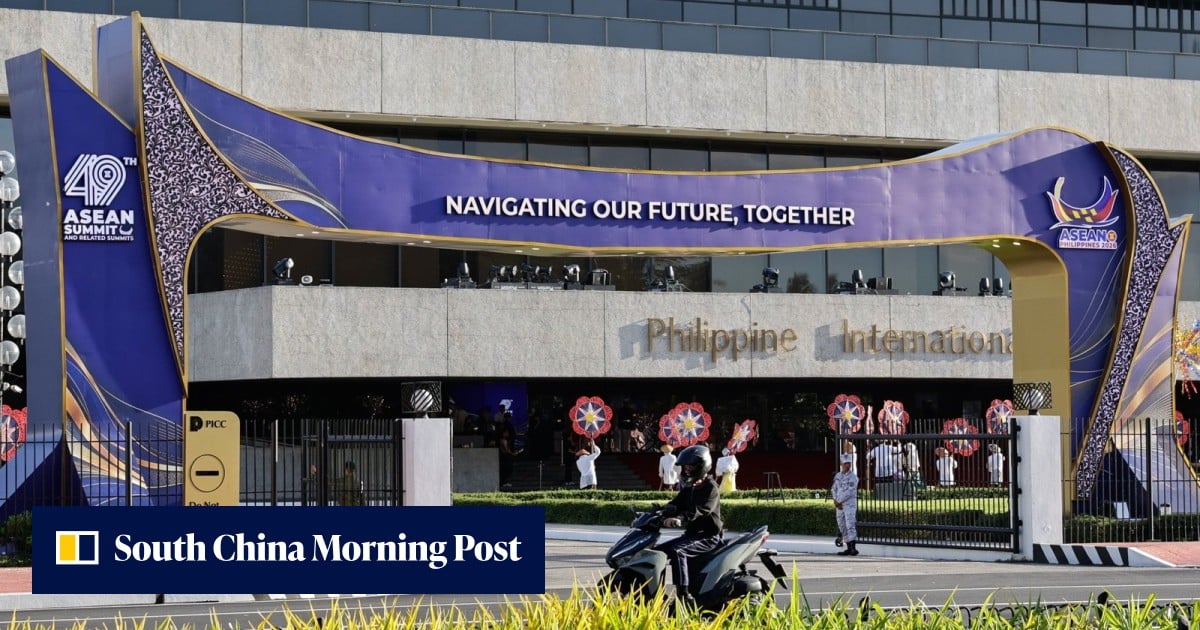
Photo: SCMP Asia
Key points
- Critics accuse the Marcos administration of clearing the poor to 'sanitize' Manila.
- Lawmaker Antonio Tinio compares the tactics to the martial-law era of the 1970s.
- Government officials defend the displacement as necessary security for the ASEAN summit.
The administration of Philippine President Ferdinand Marcos Jnr is facing sharp criticism for its efforts to clear Manila’s streets of vendors and homeless populations ahead of next week’s Association of Southeast Asian Nations (ASEAN) summit. Lawmakers and activists argue that these operations are a deliberate attempt to conceal urban poverty from visiting international delegates.
Antonio Tinio, deputy minority floor leader of the House of Representatives, publicly denounced the measures on Monday. He characterized the displacement of vulnerable communities as a move to present a sanitized version of the capital to the world. According to Tinio, these actions mirror the controversial beautification campaigns enacted fifty years ago during the presidency of Ferdinand Marcos Snr and his wife, Imelda Marcos.
Government officials have defended the clearing operations, maintaining that the measures are essential for ensuring security and order during the high-profile regional gathering. Authorities emphasize that the focus remains on maintaining public safety and logistical efficiency for the visiting dignitaries.
The stakes
The administration risks deepening domestic polarization by reviving memories of the martial-law era, while international observers may view the optics as a superficial attempt to mask systemic economic challenges. If the government continues these aggressive clearing efforts, it faces potential backlash from human rights groups and political opponents who argue that the policy prioritizes international image over the welfare of the country's most marginalized citizens.
Two readings
- Supporters argue the measures are necessary security protocols to ensure the safety of international guests and the smooth operation of a major diplomatic event.
- Critics contend the policy is a deceptive aesthetic campaign designed to hide the reality of urban poverty, reminiscent of authoritarian-era tactics used to project false prosperity.
Source SCMP Asia — scmp.com/week-asia/politics/article/3373978/philippines-marcos-accu… ↗
Read next
 ✒️Opinion & Analysis
ICJ Rules Myanmar Military Committed Genocide Against Rohingya
The International Court of Justice has found Myanmar's military guilty of genocide against the Rohingya, a ruling that damages the international standing of both Aung San…
 🕯️Democracy & Rights
Chinese teachers face rising parental pressure over personal life choices
Chinese educators are encountering a surge in unreasonable demands from parents, including complaints regarding teachers' pregnancy and maternity leave.
 🛡️War & Security
Ukraine Restricts Media Coverage of Infrastructure Damage Amid Russian Strikes
President Volodymyr Zelenskyy has issued a decree prohibiting media outlets from reporting on the impact of Russian strikes against critical infrastructure and the status…
 🏮China & Taiwan
Beijing Reaffirms Reunification Stance Following Taiwan Local Election Results
China’s Taiwan Affairs Office declared that the island’s reunification with the mainland remains inevitable, despite recent shifts in Taiwan's local political landscape.
 🇪🇺Europe
US Air Force Repels Unauthorized Drone Incursion at RAF Lakenheath
U.S. security forces at a British air base successfully countered a group of unidentified drones, amid growing concerns over potential foreign state involvement.
 ⚖️Law & Policy
India Government Proposes 50% Increase in Parliamentary Seats and Women's Reservation
The Indian government plans to introduce legislation to expand the Lok Sabha to 850 seats and mandate a 33% reservation for women in legislative bodies.