Kyrgyz President Sadyr Japarov Files for Second Term in 2027 Election
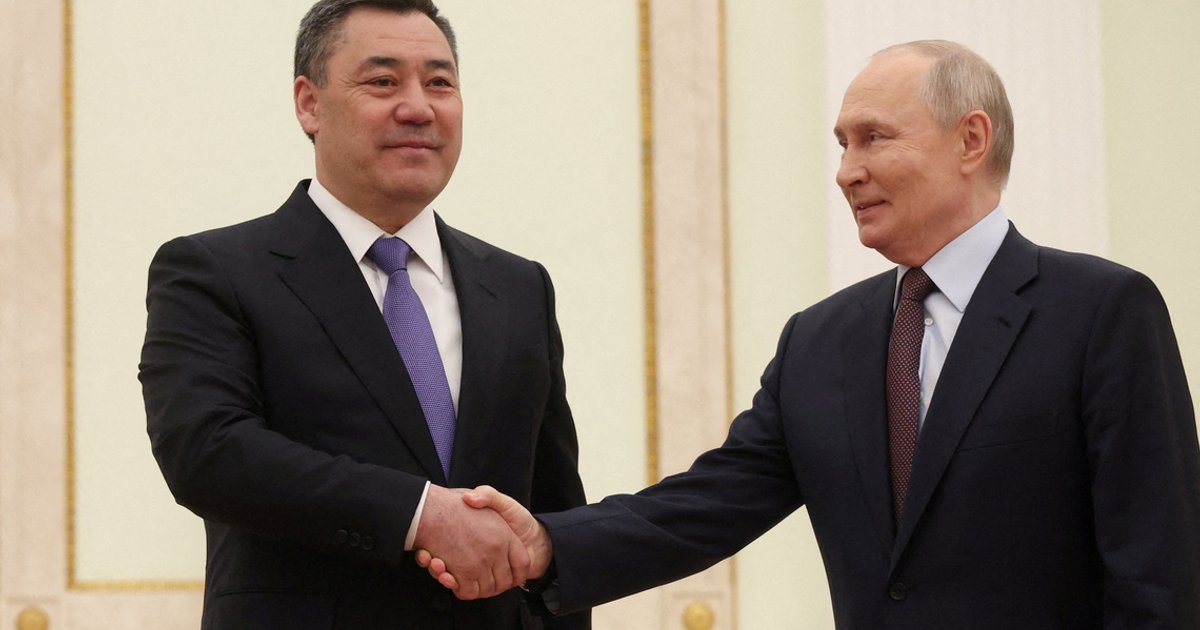
Kyrgyz President Sadyr Japarov has officially registered his candidacy for the January 2027 presidential election, seeking to extend his leadership in the Central Asian nation.
 🌏Asia-Pacific
Photo: Straits Times Asia
Key points
- Sadyr Japarov files for re-election in January 2027.
- No Kyrgyz president has finished a second term since 1991.
- Kyrgyzstan remains a key transit hub for trade with Russia under sanctions.
Kyrgyzstan’s electoral commission confirmed on Tuesday that President Sadyr Japarov has filed to run for a second term in the upcoming presidential election, scheduled for January 27, 2027. Japarov, a populist leader who ascended to power following the political unrest of 2020, currently maintains firm control over the nation’s political landscape.
Since taking office, Japarov has overseen a period of significant consolidation of power, characterized by increased pressure on independent media and opposition political factions. Despite his administration facing criticism regarding democratic standards, Japarov remains a dominant figure. While five other individuals have declared their intent to challenge him, analysts suggest that none currently possess the political infrastructure to mount a credible threat to his incumbency.
Historically, Kyrgyzstan has been marked by frequent political instability, with three presidents removed from office by popular uprisings since 1991. Notably, no leader has successfully completed a second term since the country gained independence. As the nation navigates its geopolitical position, it remains deeply integrated with Russia through a customs union and the presence of Russian military bases, while also serving as a key transit point for trade amid Western sanctions on Moscow.
The stakes
A victory for Japarov would mark a historic shift in Kyrgyz political stability, potentially ending the cycle of presidential oustings that has defined the post-Soviet era. For the government, a second term ensures the continuation of current populist policies and central control, while the opposition faces further marginalization and a shrinking space for political discourse.
Two readings
- Supporters view Japarov as a stabilizing force who has fostered economic growth and maintained order in a country historically plagued by volatility.
- Critics argue that his tenure has systematically dismantled democratic institutions, silenced dissent, and concentrated power at the expense of political pluralism.
Source Straits Times Asia — straitstimes.com/asia/kyrgyz-strongman-japarov-bids-for-second-term… ↗
Read next
 ✒️Opinion & Analysis
ICJ Rules Myanmar Military Committed Genocide Against Rohingya
The International Court of Justice has found Myanmar's military guilty of genocide against the Rohingya, a ruling that damages the international standing of both Aung San…
 🕯️Democracy & Rights
Chinese teachers face rising parental pressure over personal life choices
Chinese educators are encountering a surge in unreasonable demands from parents, including complaints regarding teachers' pregnancy and maternity leave.
 🛡️War & Security
Ukraine Restricts Media Coverage of Infrastructure Damage Amid Russian Strikes
President Volodymyr Zelenskyy has issued a decree prohibiting media outlets from reporting on the impact of Russian strikes against critical infrastructure and the status…
 🏮China & Taiwan
Beijing Reaffirms Reunification Stance Following Taiwan Local Election Results
China’s Taiwan Affairs Office declared that the island’s reunification with the mainland remains inevitable, despite recent shifts in Taiwan's local political landscape.
 🇪🇺Europe
US Air Force Repels Unauthorized Drone Incursion at RAF Lakenheath
U.S. security forces at a British air base successfully countered a group of unidentified drones, amid growing concerns over potential foreign state involvement.
 ⚖️Law & Policy
India Government Proposes 50% Increase in Parliamentary Seats and Women's Reservation
The Indian government plans to introduce legislation to expand the Lok Sabha to 850 seats and mandate a 33% reservation for women in legislative bodies.