India Deploys Specialized Commando Units to Disputed Border with China
The Indo-Tibetan Border Police has established new high-altitude commando platoons to bolster security along the contested 3,000km frontier.
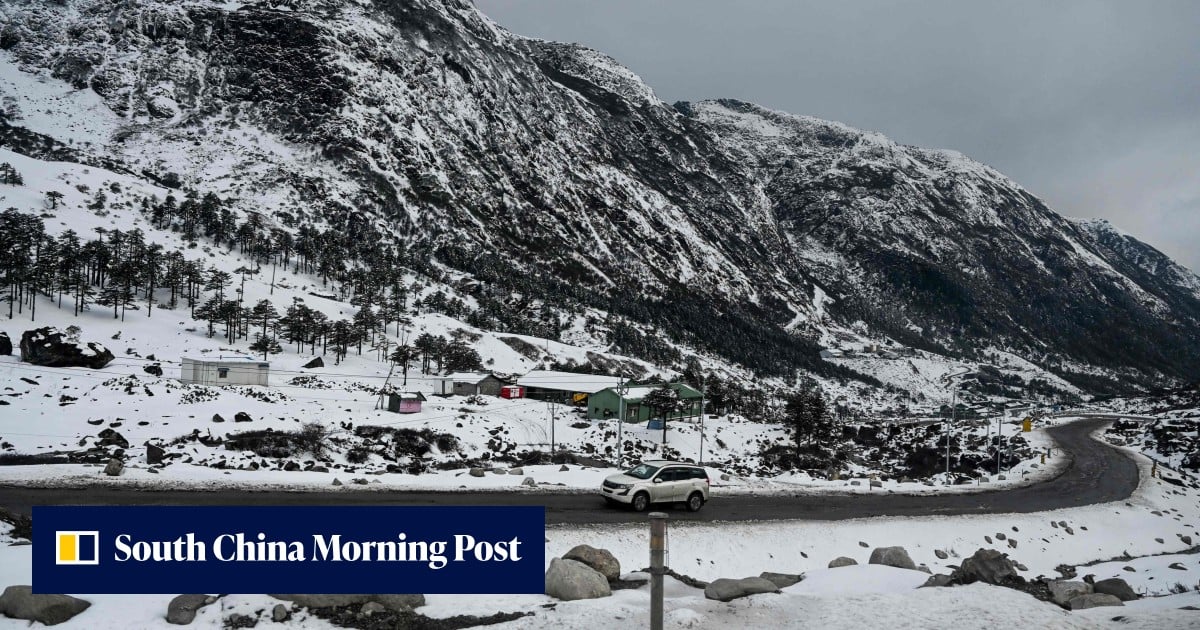 🌏Asia-Pacific
Photo: SCMP China
Key points
- India launches Shaurya commando platoons for high-altitude border patrol.
- The units will operate along the 3,000km frontier with Tibet.
- The move is expected to trigger a reciprocal infrastructure buildup by China.
The Indo-Tibetan Border Police (ITBP) has officially integrated new specialized commando units, designated as Shaurya platoons, to enhance surveillance and security operations along the 3,000-kilometer border with Tibet. These units have undergone rigorous training tailored specifically for high-altitude environments, reflecting New Delhi's commitment to strengthening its defensive posture in the rugged, contested Himalayan terrain.
This strategic deployment follows years of heightened tensions between India and China, characterized by intermittent standoffs and infrastructure competition along the Line of Actual Control. By stationing these elite platoons, the Indian government aims to improve its tactical readiness and rapid response capabilities in remote, mountainous sectors that have historically been difficult to patrol.
Observers anticipate that this move will likely prompt a reciprocal response from Beijing. Analysts expect China to accelerate its own infrastructure development and force projection efforts in the region to maintain a strategic balance, potentially deepening the ongoing military competition between the two nuclear-armed neighbors.
The stakes
The deployment increases the risk of localized friction while simultaneously signaling India's refusal to cede ground in the disputed border regions. If these units successfully deter unauthorized incursions, New Delhi gains a tactical advantage, but any direct confrontation involving specialized forces could escalate regional instability and derail fragile diplomatic efforts to de-escalate border tensions.
Two readings
- Supporters view the deployment as a necessary defensive measure to protect national sovereignty and ensure a credible deterrent against territorial encroachment.
- Critics argue that the move risks an unnecessary arms race in the Himalayas, potentially hardening positions and making a negotiated settlement more difficult to achieve.
Source SCMP China — scmp.com/news/china/diplomacy/article/3374097/india-forms-specialis… ↗
Read next
 ✒️Opinion & Analysis
ICJ Rules Myanmar Military Committed Genocide Against Rohingya
The International Court of Justice has found Myanmar's military guilty of genocide against the Rohingya, a ruling that damages the international standing of both Aung San…
 🕯️Democracy & Rights
Chinese teachers face rising parental pressure over personal life choices
Chinese educators are encountering a surge in unreasonable demands from parents, including complaints regarding teachers' pregnancy and maternity leave.
 🛡️War & Security
Ukraine Restricts Media Coverage of Infrastructure Damage Amid Russian Strikes
President Volodymyr Zelenskyy has issued a decree prohibiting media outlets from reporting on the impact of Russian strikes against critical infrastructure and the status…
 🏮China & Taiwan
Beijing Reaffirms Reunification Stance Following Taiwan Local Election Results
China’s Taiwan Affairs Office declared that the island’s reunification with the mainland remains inevitable, despite recent shifts in Taiwan's local political landscape.
 🇪🇺Europe
US Air Force Repels Unauthorized Drone Incursion at RAF Lakenheath
U.S. security forces at a British air base successfully countered a group of unidentified drones, amid growing concerns over potential foreign state involvement.
 ⚖️Law & Policy
India Government Proposes 50% Increase in Parliamentary Seats and Women's Reservation
The Indian government plans to introduce legislation to expand the Lok Sabha to 850 seats and mandate a 33% reservation for women in legislative bodies.