Pakistan’s Sharif Brothers Discuss National Security and Economic Strategy in Lahore
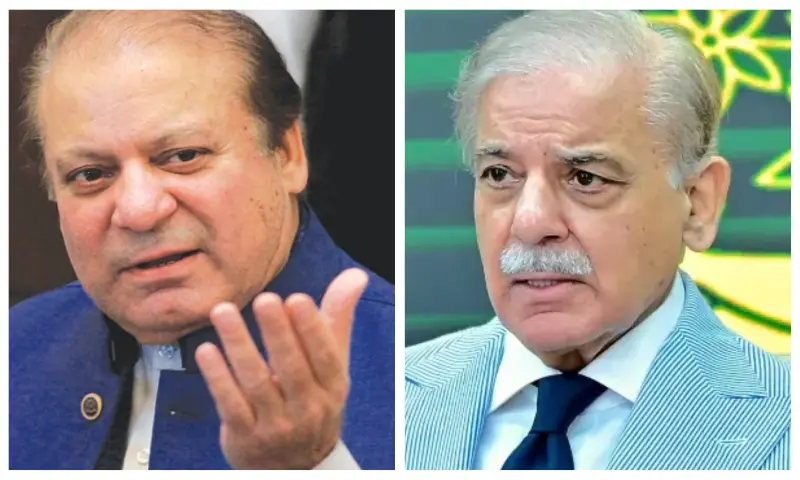
Prime Minister Shehbaz Sharif and PML-N leader Nawaz Sharif held high-level talks in Lahore to address security concerns in Khyber Pakhtunkhwa and ongoing economic reforms.
 🌏Asia-Pacific
Photo: Dawn
Key points
- Prime Minister Shehbaz Sharif and Nawaz Sharif met to discuss national security and economic reform.
- The federal government continues to defend the imposition of governor's rule in Khyber Pakhtunkhwa.
- Economic recovery remains a central pillar of the current administration's policy agenda.
Prime Minister Shehbaz Sharif met with PML-N President Nawaz Sharif at the family residence in Jati Umra, Lahore, on Sunday to deliberate on pressing matters of national importance. The meeting, which included Deputy Prime Minister Ishaq Dar and Punjab Chief Minister Maryam Nawaz, focused on the country's current political climate and administrative challenges.
A primary topic of discussion was the security situation in Khyber Pakhtunkhwa. The federal government recently implemented emergency measures and governor’s rule in the province on October 11, citing the provincial leadership's failure to adequately address terrorism. Prime Minister Sharif briefed his brother on these interventions, asserting that the federal government was compelled to act due to persistent security threats.
Beyond security, the leaders reviewed the government's economic reform agenda. The discussion covered the various challenges currently facing the national economy and the strategic measures being implemented to stabilize the fiscal environment. Both brothers reaffirmed their support for the federal intervention in Khyber Pakhtunkhwa, with Nawaz Sharif suggesting that the move was a necessary step that should have been executed sooner.
The stakes
The consolidation of power between the Prime Minister and the PML-N leadership signals a unified front in addressing the security vacuum in Khyber Pakhtunkhwa. If the federal administration successfully stabilizes the region and manages economic reforms, the ruling party may regain significant political capital; however, failure to improve security or economic conditions could lead to further instability and intensified friction between the federal center and provincial authorities.
Two readings
- Supporters view the meeting as a necessary alignment of leadership to restore order and ensure economic recovery through decisive federal intervention.
- Critics argue that the imposition of emergency rule in Khyber Pakhtunkhwa is an overreach that undermines provincial autonomy and democratic processes.
Source Dawn — dawn.com/news/2043062/pm-shehbaz-nawaz-discuss-matters-of-national-… ↗
Read next
 ✒️Opinion & Analysis
ICJ Rules Myanmar Military Committed Genocide Against Rohingya
The International Court of Justice has found Myanmar's military guilty of genocide against the Rohingya, a ruling that damages the international standing of both Aung San…
 🕯️Democracy & Rights
Chinese teachers face rising parental pressure over personal life choices
Chinese educators are encountering a surge in unreasonable demands from parents, including complaints regarding teachers' pregnancy and maternity leave.
 🛡️War & Security
Ukraine Restricts Media Coverage of Infrastructure Damage Amid Russian Strikes
President Volodymyr Zelenskyy has issued a decree prohibiting media outlets from reporting on the impact of Russian strikes against critical infrastructure and the status…
 🏮China & Taiwan
Beijing Reaffirms Reunification Stance Following Taiwan Local Election Results
China’s Taiwan Affairs Office declared that the island’s reunification with the mainland remains inevitable, despite recent shifts in Taiwan's local political landscape.
 🇪🇺Europe
US Air Force Repels Unauthorized Drone Incursion at RAF Lakenheath
U.S. security forces at a British air base successfully countered a group of unidentified drones, amid growing concerns over potential foreign state involvement.
 ⚖️Law & Policy
India Government Proposes 50% Increase in Parliamentary Seats and Women's Reservation
The Indian government plans to introduce legislation to expand the Lok Sabha to 850 seats and mandate a 33% reservation for women in legislative bodies.