Thailand Imposes New Import Duties on Foreign E-commerce Goods
The Thai cabinet has approved a new tariff of up to 30% on goods purchased via foreign e-commerce platforms to protect local markets.
 🏮China & Taiwan
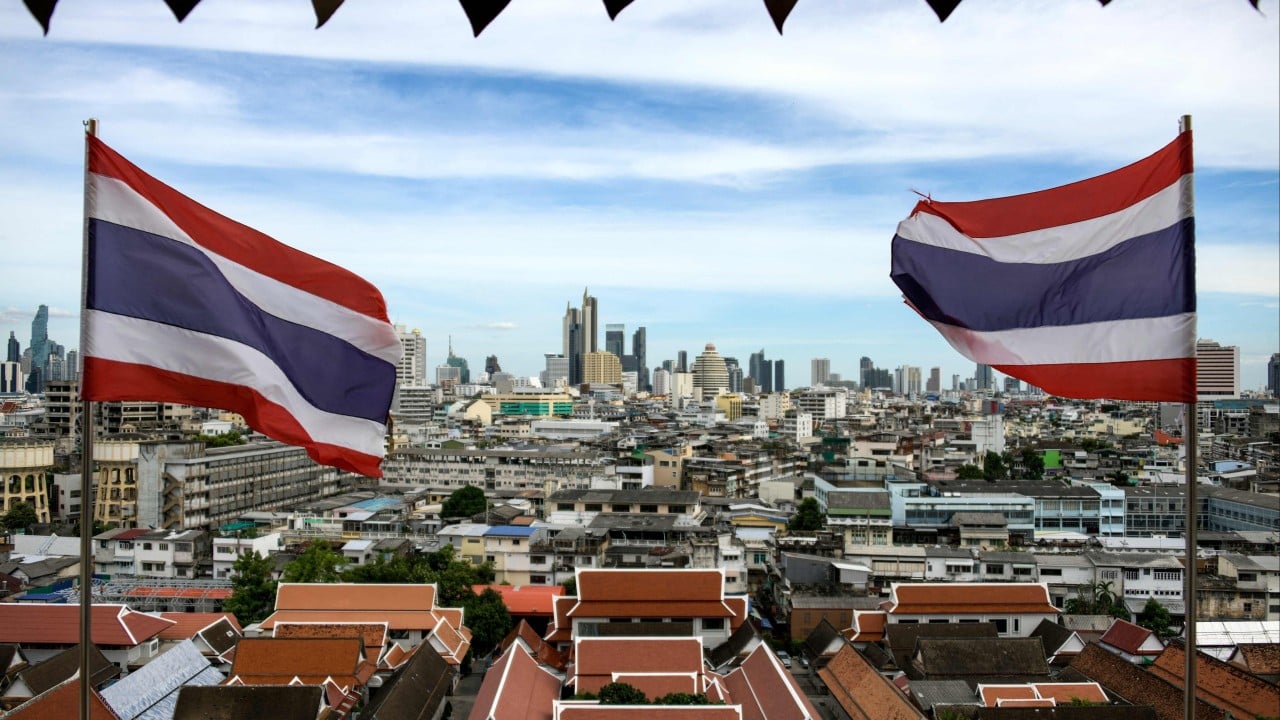
Photo: SCMP Asia
Key points
- Thailand approves up to 30% tariff on foreign e-commerce imports.
- Policy targets goods delivered via international courier and post.
- Analysts expect Chinese vendors to leverage low costs to maintain competitiveness.
The Thai cabinet authorized the finance ministry on Monday to implement import duties reaching 30% on products ordered through international e-commerce platforms. This policy targets goods delivered via express courier or international postal services, with the specific tax rate determined by the nature of the product.
The move represents a strategic effort to regulate the influx of low-cost foreign goods, particularly those originating from Chinese vendors. By imposing these levies, the Thai government aims to level the playing field for domestic retailers who have struggled to compete with the aggressive pricing strategies of foreign digital marketplaces.
Despite the potential for increased costs, industry analysts suggest that the impact on Chinese sellers may be mitigated by their existing supply chain efficiencies. The intense price competition inherent in the e-commerce sector remains a significant factor, as many vendors possess the capacity to absorb or minimize costs to maintain their market share in Thailand.
The stakes
The implementation of these tariffs shifts the competitive landscape for regional trade. Thai domestic businesses stand to gain a more protected market environment, while Chinese e-commerce platforms face reduced margins and potential shifts in consumer demand. If successfully enforced, the policy could serve as a template for other Southeast Asian nations looking to curb the dominance of foreign digital retail platforms.
Two readings
- Supporters view the tariff as a necessary measure to safeguard local small and medium-sized enterprises from being undercut by subsidized foreign imports.
- Critics argue that the additional costs will ultimately be passed on to the Thai consumer, potentially fueling inflation and limiting access to affordable goods.
Source SCMP Asia — scmp.com/economy/global-economy/article/3374280/chinese-e-commerce-… ↗
Read next
 ✒️Opinion & Analysis
ICJ Rules Myanmar Military Committed Genocide Against Rohingya
The International Court of Justice has found Myanmar's military guilty of genocide against the Rohingya, a ruling that damages the international standing of both Aung San…
 🕯️Democracy & Rights
Chinese teachers face rising parental pressure over personal life choices
Chinese educators are encountering a surge in unreasonable demands from parents, including complaints regarding teachers' pregnancy and maternity leave.
 🛡️War & Security
Ukraine Restricts Media Coverage of Infrastructure Damage Amid Russian Strikes
President Volodymyr Zelenskyy has issued a decree prohibiting media outlets from reporting on the impact of Russian strikes against critical infrastructure and the status…
 🇪🇺Europe
US Air Force Repels Unauthorized Drone Incursion at RAF Lakenheath
U.S. security forces at a British air base successfully countered a group of unidentified drones, amid growing concerns over potential foreign state involvement.
 ⚖️Law & Policy
India Government Proposes 50% Increase in Parliamentary Seats and Women's Reservation
The Indian government plans to introduce legislation to expand the Lok Sabha to 850 seats and mandate a 33% reservation for women in legislative bodies.
 ⚖️Law & Policy
India’s ruling alliance nears two-thirds majority for sweeping parliamentary expansion and delimitation bills
The National Democratic Alliance is nearing a two-thirds majority in Parliament to pass landmark legislation expanding the Lok Sabha by 50 percent and implementing a 33 p…