Mongolia Convicts Two Chinese Nationals Over Han Dynasty Inscription Tampering
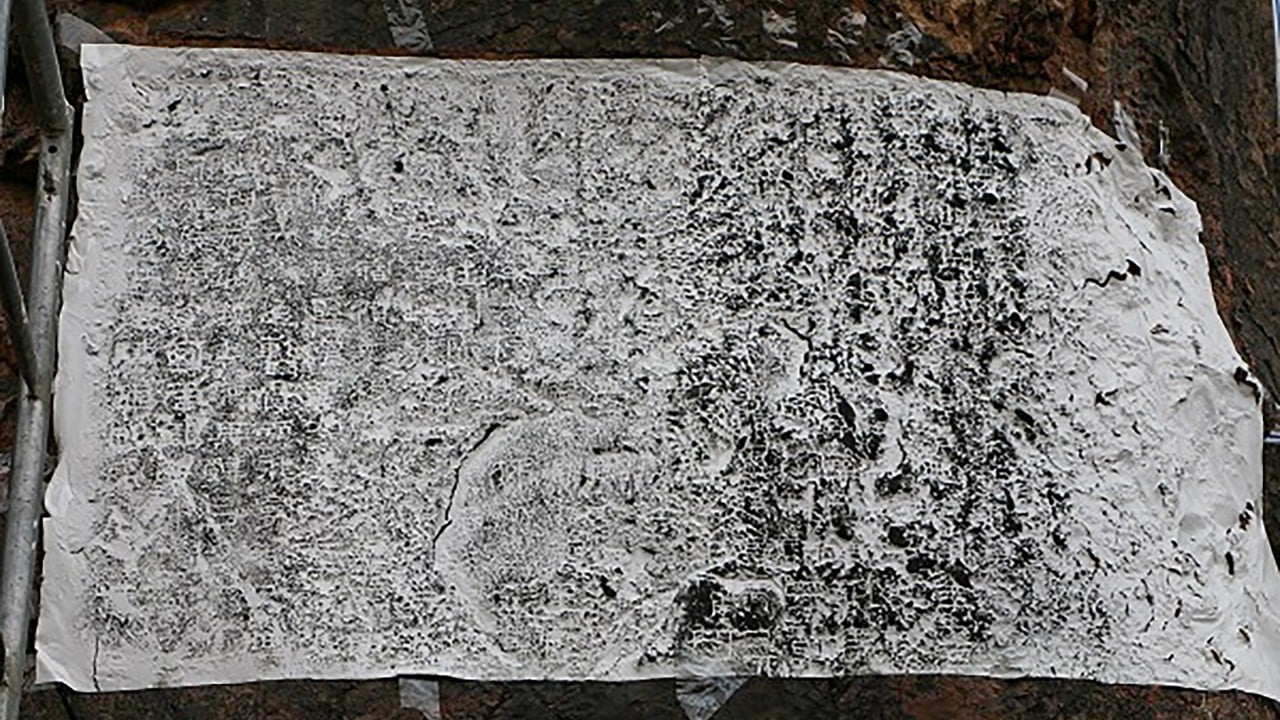
Two Chinese nationals have been convicted in Mongolia for making unauthorized impressions of a historic 2,000-year-old Han dynasty cliff inscription, triggering public concern and online discussion in China regarding cultural heritage protection.
 🏮China & Taiwan
Photo: SCMP China
Key points
- Two Chinese nationals convicted in Mongolia
- Offense involved unauthorized Han dynasty cliff inscription rubbings
- Triggered online discussion and heritage protection concerns in China
Two Chinese citizens faced legal proceedings and subsequent conviction in Mongolia following the unauthorized creation of rubbings from a renowned Han dynasty cliff carving, an ancient landmark dating back two millennia. The judicial outcome surfaced across digital platforms this week, drawing intense scrutiny from cultural preservation advocates and internet users who highlighted ongoing vulnerabilities surrounding the protected site since its modern rediscovery roughly ten years ago.
The incident has drawn attention to the complex challenges involved in safeguarding trans-border historical artifacts and heritage sites from illicit physical contact and tampering. Experts within Inner Mongolia and across wider digital forums have emphasized that remote historical monuments require significantly enhanced safeguarding measures to deter unauthorized physical interventions by tourists and collectors.
While official investigations detailed the breach in legal protocols, cultural heritage groups have urged bilateral cooperation between regional authorities to better monitor and secure shared historical assets. The unauthorized extraction of stone impressions, commonly known as rubbings, can cause cumulative micro-abrasions to delicate ancient carvings, accelerating natural weathering processes on soft rock faces.
The stakes
Who gains: Proponents of stricter heritage conservation laws who view the convictions as a necessary deterrent against cross-border artifact tampering. Who loses: Unregulated travelers and collectors who attempt physical contact with protected antiquities. What changes: Regional authorities may implement tighter surveillance and harsher penalties for unauthorized interactions with ancient cliff inscriptions.
Two readings
- Supporters read the convictions as a vital legal precedent demonstrating international resolve to protect vulnerable ancient antiquities from irreversible physical damage.
- Critics read the incident as a symptom of inadequate bilateral site management and a failure by regional authorities to deploy sufficient physical security measures over the past decade.
Source SCMP China — scmp.com/news/china/politics/article/3374339/how-bad-impression-put… ↗
Read next
 ✒️Opinion & Analysis
ICJ Rules Myanmar Military Committed Genocide Against Rohingya
The International Court of Justice has found Myanmar's military guilty of genocide against the Rohingya, a ruling that damages the international standing of both Aung San…
 🕯️Democracy & Rights
Chinese teachers face rising parental pressure over personal life choices
Chinese educators are encountering a surge in unreasonable demands from parents, including complaints regarding teachers' pregnancy and maternity leave.
 🛡️War & Security
Ukraine Restricts Media Coverage of Infrastructure Damage Amid Russian Strikes
President Volodymyr Zelenskyy has issued a decree prohibiting media outlets from reporting on the impact of Russian strikes against critical infrastructure and the status…
 🇪🇺Europe
US Air Force Repels Unauthorized Drone Incursion at RAF Lakenheath
U.S. security forces at a British air base successfully countered a group of unidentified drones, amid growing concerns over potential foreign state involvement.
 ⚖️Law & Policy
India Government Proposes 50% Increase in Parliamentary Seats and Women's Reservation
The Indian government plans to introduce legislation to expand the Lok Sabha to 850 seats and mandate a 33% reservation for women in legislative bodies.
 ⚖️Law & Policy
India’s ruling alliance nears two-thirds majority for sweeping parliamentary expansion and delimitation bills
The National Democratic Alliance is nearing a two-thirds majority in Parliament to pass landmark legislation expanding the Lok Sabha by 50 percent and implementing a 33 p…