Chinese Foreign Minister Wang Yi Urges Expanded Ties with South Korea
Chinese Foreign Minister Wang Yi met with South Korean counterpart Cho Hyun in Beijing, offering to deepen bilateral cooperation across traditional and emerging sectors ahead of President Lee Jae Myung's upcoming visit.
 🏮China & Taiwan
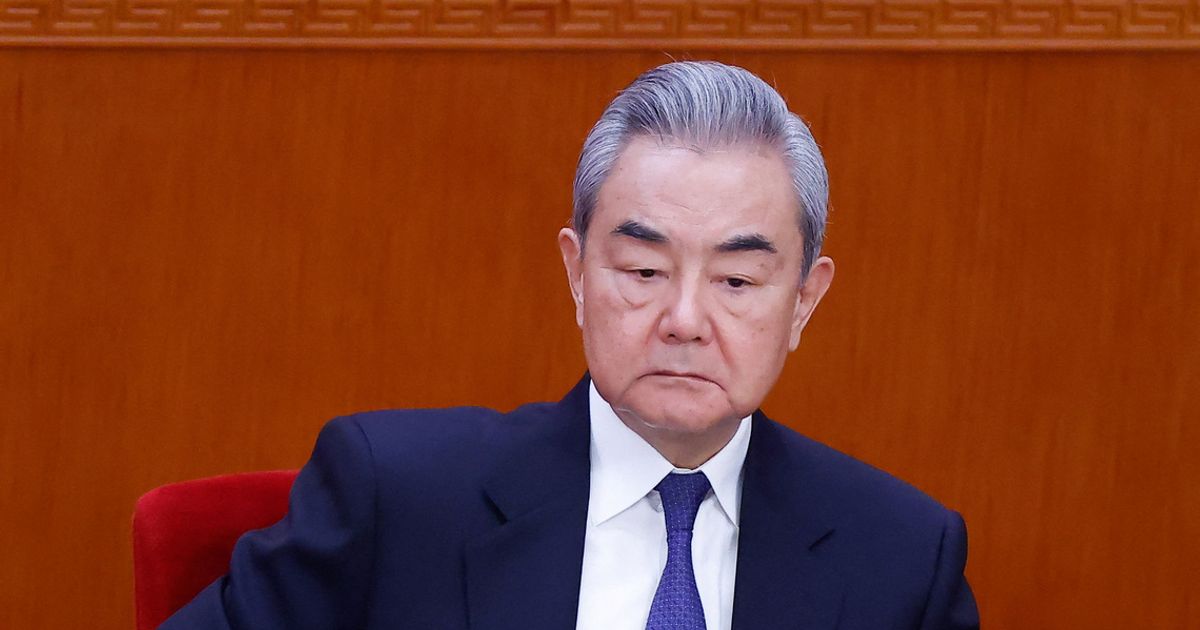
Photo: Straits Times Asia
Key points
- Wang Yi met South Korean counterpart Cho Hyun in Beijing on Friday.
- China proposed expanding cooperation in AI, biomedicine, and traditional sectors.
- Bilateral relations have improved following President Lee Jae Myung's diplomatic efforts since mid-2025.
Chinese Foreign Minister Wang Yi stated during a meeting in Beijing on Friday that Beijing is prepared to broaden cooperation with Seoul across both traditional industries and advanced fields such as artificial intelligence and biomedicine. Wang emphasized to South Korean counterpart Cho Hyun that the two nations remain permanent neighbors for whom maintaining friendly relations is the correct strategic path.
According to the Chinese Foreign Ministry, Wang noted that bilateral relations have returned to a constructive trajectory following leadership communications since late last year. Ties had previously experienced strain during the administration of former South Korean leader Yoon Suk Yeol, whose foreign policy prioritized closer alignment with Washington and Tokyo. Current President Lee Jae Myung, who assumed office in June 2025, has actively pursued diplomatic repair, including hosting Chinese President Xi Jinping in Gyeongju and undertaking a state visit to Beijing in January.
The diplomatic engagement coincides with preparations for President Lee's upcoming visit to China next week, where he is scheduled to participate in the Asia-Pacific Economic Cooperation leaders' summit in Shenzhen. Wang reiterated Beijing's commitment to strengthening political mutual trust and widening shared economic interests between the two neighboring states.
The stakes
Closer diplomatic and economic alignment between Beijing and Seoul alters regional dynamics in East Asia, potentially reshaping security architectures by balancing South Korea's traditional alliances with Washington. Beijing gains a strategic opportunity to reduce American influence in the region, while Seoul secures economic advantages in cutting-edge technology sectors; however, any drift away from Western partners risks friction with the United States and Japan.
Two readings
- Supporters view the renewed dialogue as a pragmatic restoration of vital economic and diplomatic ties that benefits regional stability and trade.
- Critics argue that closer alignment with Beijing compromises Seoul's core security partnerships and undermines its democratic alliance network.
Source Straits Times Asia — straitstimes.com/asia/chinas-top-diplomat-calls-for-expanding-coope… ↗
Read next
 ✒️Opinion & Analysis
ICJ Rules Myanmar Military Committed Genocide Against Rohingya
The International Court of Justice has found Myanmar's military guilty of genocide against the Rohingya, a ruling that damages the international standing of both Aung San…
 🕯️Democracy & Rights
Chinese teachers face rising parental pressure over personal life choices
Chinese educators are encountering a surge in unreasonable demands from parents, including complaints regarding teachers' pregnancy and maternity leave.
 🛡️War & Security
Ukraine Restricts Media Coverage of Infrastructure Damage Amid Russian Strikes
President Volodymyr Zelenskyy has issued a decree prohibiting media outlets from reporting on the impact of Russian strikes against critical infrastructure and the status…
 🇪🇺Europe
US Air Force Repels Unauthorized Drone Incursion at RAF Lakenheath
U.S. security forces at a British air base successfully countered a group of unidentified drones, amid growing concerns over potential foreign state involvement.
 ⚖️Law & Policy
India Government Proposes 50% Increase in Parliamentary Seats and Women's Reservation
The Indian government plans to introduce legislation to expand the Lok Sabha to 850 seats and mandate a 33% reservation for women in legislative bodies.
 ⚖️Law & Policy
India’s ruling alliance nears two-thirds majority for sweeping parliamentary expansion and delimitation bills
The National Democratic Alliance is nearing a two-thirds majority in Parliament to pass landmark legislation expanding the Lok Sabha by 50 percent and implementing a 33 p…