China’s Military Implements Big Data Strategy to Reform Recruitment Processes
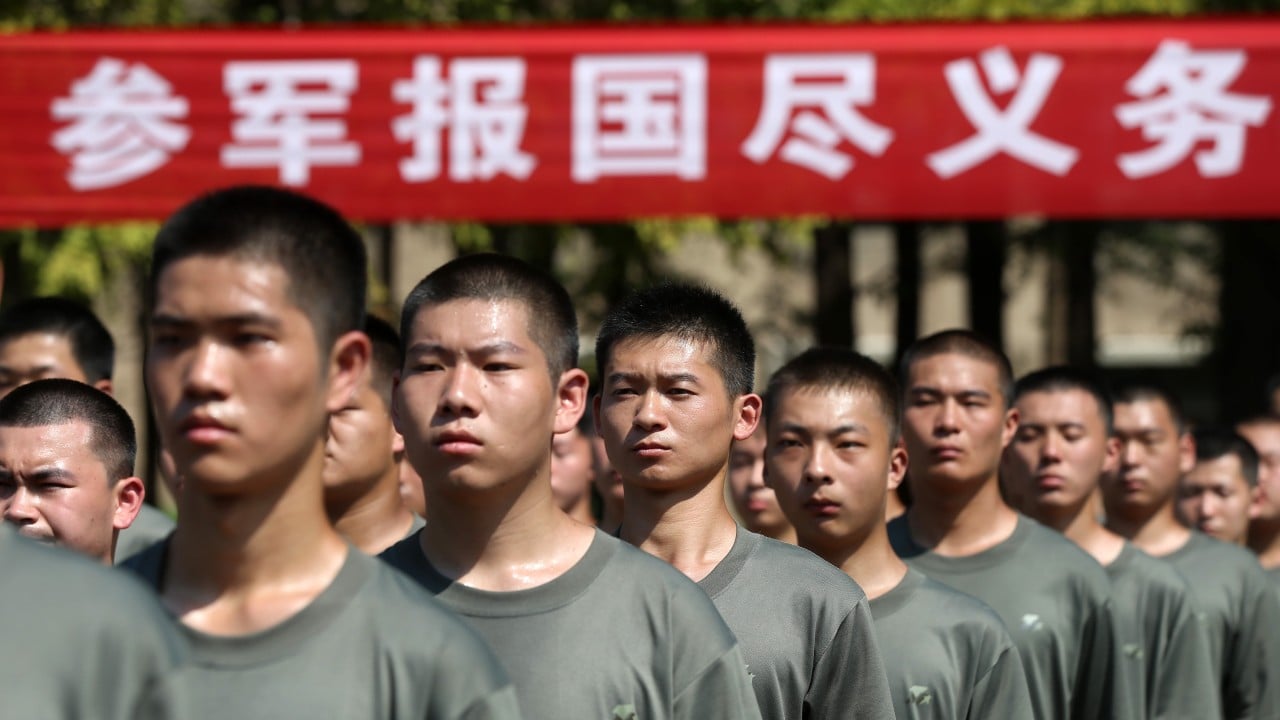
The People’s Liberation Army is integrating big data systems into its recruitment process to enhance war readiness and eliminate internal corruption.
 🏮China & Taiwan
Photo: SCMP China
Key points
- PLA adopts big data for recruitment
- Sunshine initiative targets corruption
- Modernization goal for 2027
The Chinese military has launched a comprehensive recruitment overhaul, dubbed “end-to-end sunshine,” aimed at modernizing its enlistment procedures through the application of big data analytics. This initiative, mandated this month by the general offices of the Central Military Commission and the State Council, seeks to improve the caliber of recruits while simultaneously rooting out systemic corruption within the military’s selection process.
By utilizing data-driven oversight, the People’s Liberation Army (PLA) intends to ensure that the enlistment cycle is more transparent and efficient. This shift is presented as a critical component of the military's broader objective to achieve full modernization by its centenary next year. The focus remains on building a force that is strictly oriented toward war readiness and operational effectiveness.
The integration of these digital tools reflects a top-down effort to professionalize the armed forces by removing human bias and illicit influence from hiring practices. By standardizing the selection criteria through centralized data systems, the government aims to tighten control over the quality of personnel entering the ranks.
The stakes
The successful implementation of this digital recruitment strategy would likely strengthen the PLA's internal integrity and combat readiness, potentially sidelining local officials who previously held influence over enlistment. However, the centralization of this data also grants the central government unprecedented surveillance and control over the military’s human resources, shifting power away from regional recruitment offices.
Two readings
- Supporters view the move as a necessary technological upgrade to eliminate graft and ensure that the most capable candidates are selected for service.
- Critics may interpret the move as a consolidation of power by the central leadership, further tightening the grip of the state over military personnel management.
Source SCMP China — scmp.com/news/china/military/article/3374390/cleaner-smarter-big-da… ↗
Read next
 ✒️Opinion & Analysis
ICJ Rules Myanmar Military Committed Genocide Against Rohingya
The International Court of Justice has found Myanmar's military guilty of genocide against the Rohingya, a ruling that damages the international standing of both Aung San…
 🕯️Democracy & Rights
Chinese teachers face rising parental pressure over personal life choices
Chinese educators are encountering a surge in unreasonable demands from parents, including complaints regarding teachers' pregnancy and maternity leave.
 🛡️War & Security
Ukraine Restricts Media Coverage of Infrastructure Damage Amid Russian Strikes
President Volodymyr Zelenskyy has issued a decree prohibiting media outlets from reporting on the impact of Russian strikes against critical infrastructure and the status…
 🇪🇺Europe
US Air Force Repels Unauthorized Drone Incursion at RAF Lakenheath
U.S. security forces at a British air base successfully countered a group of unidentified drones, amid growing concerns over potential foreign state involvement.
 ⚖️Law & Policy
India Government Proposes 50% Increase in Parliamentary Seats and Women's Reservation
The Indian government plans to introduce legislation to expand the Lok Sabha to 850 seats and mandate a 33% reservation for women in legislative bodies.
 ⚖️Law & Policy
India’s ruling alliance nears two-thirds majority for sweeping parliamentary expansion and delimitation bills
The National Democratic Alliance is nearing a two-thirds majority in Parliament to pass landmark legislation expanding the Lok Sabha by 50 percent and implementing a 33 p…