World Leaders Converge on Asia for High-Stakes Summits Amid Superpower Tensions
Global political attention shifts to Asia as world leaders gather for a series of back-to-back diplomatic summits overshadowed by intense competition between Beijing and Washington.
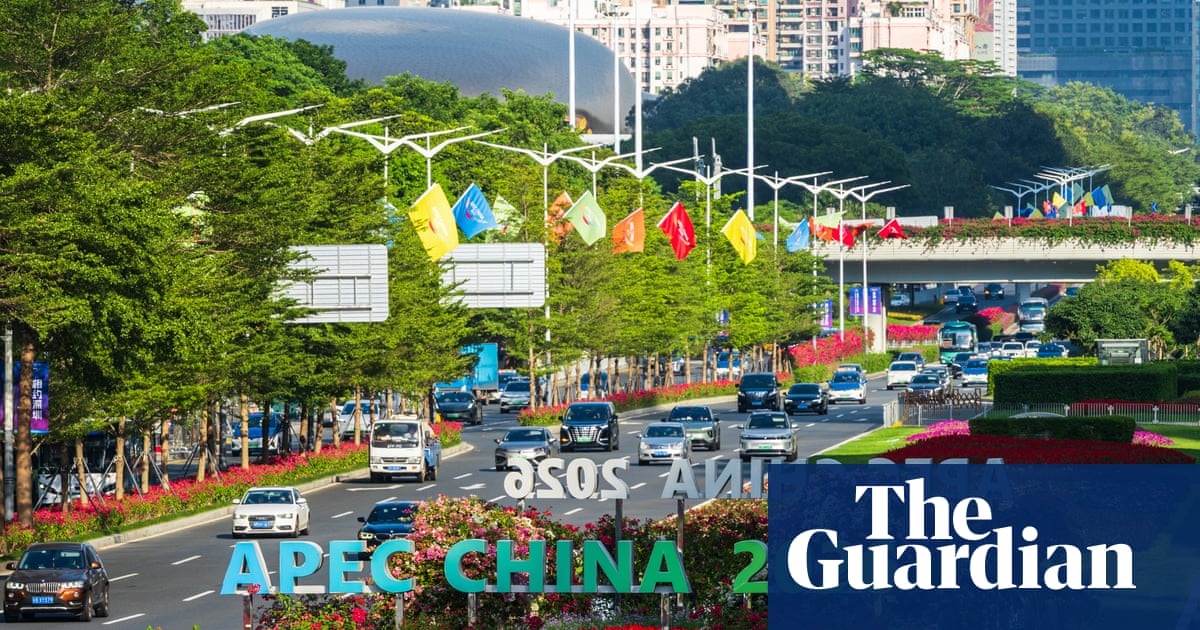 🏮China & Taiwan
Photo: Guardian China
Key points
- World leaders gather in Asia for back-to-back diplomatic summits focusing on trade, tech, and security.
- A scheduled trilateral meeting between Trump, Xi, and Putin draws comparisons to historic great-power conferences.
- Regional nations in Southeast Asia seek to diversify trade and reduce dependence amid US tariff uncertainty.
World leaders are arriving across Asia for a series of high-level diplomatic summits dominated by the ongoing strategic rivalry between the United States and China. Beijing is hosting the Asia-Pacific Economic Cooperation leaders’ meeting in Shenzhen, marking a major diplomatic focal point as trade, technology, and regional security take center stage.
The gatherings follow a series of international meetings, including the Association of Southeast Asian Nations summit in the Philippines and concurrent gatherings in Cambodia. Key agenda items across these forums include artificial intelligence governance, tariff reductions, the green energy transition, and pressing regional security matters such as the South China Sea territorial disputes and the ongoing crisis in Myanmar.
A central feature of the Shenzhen meeting is the planned trilateral encounter involving Donald Trump, Chinese President Xi Jinping, and Russian leader Vladimir Putin. While political experts note that the three-way assembly carries immense symbolic weight regarding global influence, scholars suggest substantive policy breakthroughs on sensitive territorial issues like Taiwan and Ukraine remain unlikely.
The stakes
Smaller regional nations stand to gain or lose significantly as they navigate competing superpower demands. While some Southeast Asian economies hedge against potential American tariffs by deepening internal integration and forging alternative trade partnerships, others attempt to balance ties between Washington's transactional diplomacy and Beijing's long-term regional strategy.
Two readings
- Supporters view the intense diplomatic schedule as a vital framework for maintaining open channels of communication and preventing escalation between rival nuclear powers.
- Critics argue that volatile leadership and unpredictable trade policies leave regional allies vulnerable, driving smaller nations to seek self-reliance outside traditional superpower alliances.
Source Guardian China — theguardian.com/world/2026/nov/15/asia-diplomatic-summits-trump-xi-… ↗
Read next
 ✒️Opinion & Analysis
ICJ Rules Myanmar Military Committed Genocide Against Rohingya
The International Court of Justice has found Myanmar's military guilty of genocide against the Rohingya, a ruling that damages the international standing of both Aung San…
 🕯️Democracy & Rights
Chinese teachers face rising parental pressure over personal life choices
Chinese educators are encountering a surge in unreasonable demands from parents, including complaints regarding teachers' pregnancy and maternity leave.
 🛡️War & Security
Ukraine Restricts Media Coverage of Infrastructure Damage Amid Russian Strikes
President Volodymyr Zelenskyy has issued a decree prohibiting media outlets from reporting on the impact of Russian strikes against critical infrastructure and the status…
 🇪🇺Europe
US Air Force Repels Unauthorized Drone Incursion at RAF Lakenheath
U.S. security forces at a British air base successfully countered a group of unidentified drones, amid growing concerns over potential foreign state involvement.
 ⚖️Law & Policy
India Government Proposes 50% Increase in Parliamentary Seats and Women's Reservation
The Indian government plans to introduce legislation to expand the Lok Sabha to 850 seats and mandate a 33% reservation for women in legislative bodies.
 ⚖️Law & Policy
India’s ruling alliance nears two-thirds majority for sweeping parliamentary expansion and delimitation bills
The National Democratic Alliance is nearing a two-thirds majority in Parliament to pass landmark legislation expanding the Lok Sabha by 50 percent and implementing a 33 p…