Beijing bookstore dispute highlights economic pressures on China's cultural retail sector
A viral conflict at a major Chinese bookstore chain has ignited a national debate regarding the financial viability of physical retail spaces in an increasingly digital economy.
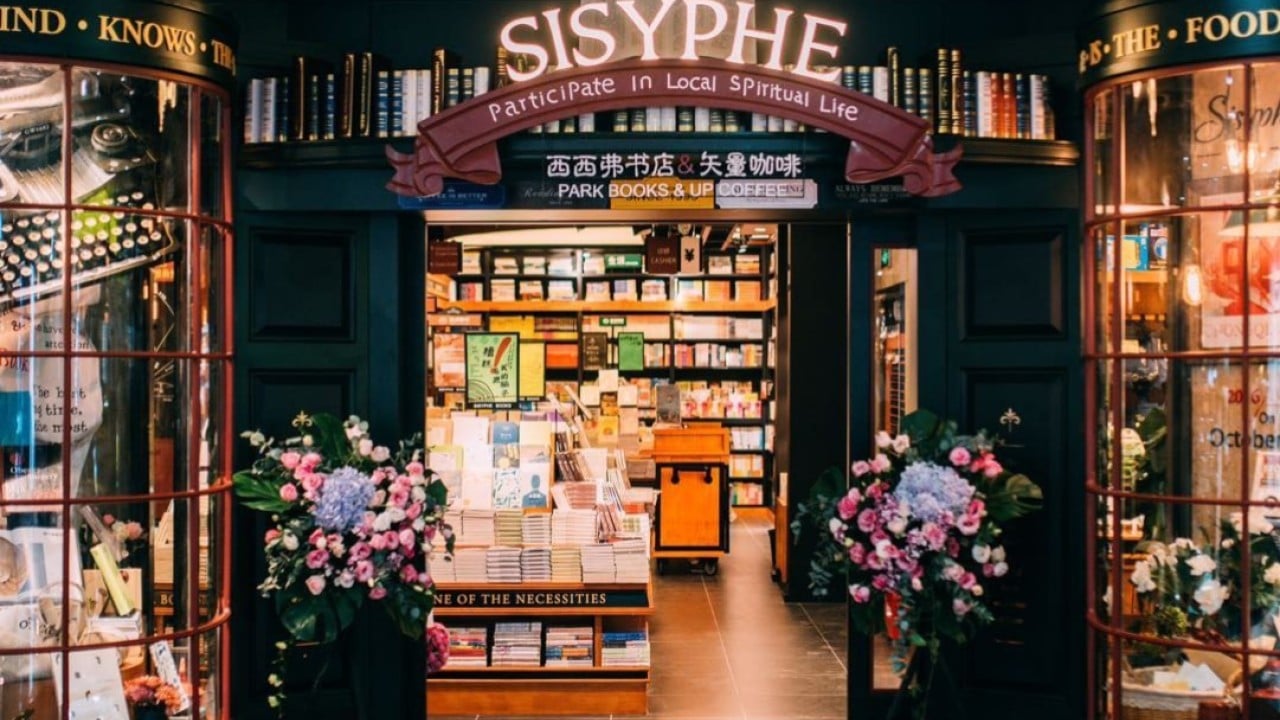 🏮China & Taiwan
Photo: SCMP China
Key points
- Sisyphe Bookstore incident goes viral
- Retailers shift focus from books to cafe services
- Digital market pressure threatens physical bookstores
A public dispute at a Beijing location of Sisyphe Bookstore, one of China's most prominent retail chains, has drawn attention to the precarious financial state of the country's physical bookstores. The incident, which went viral on social media, involved a customer being asked to vacate cafe seating after failing to purchase a beverage, highlighting the growing reliance of book retailers on auxiliary services like coffee and merchandise to maintain operations.
As digital platforms continue to dominate the literary market, traditional bookstores are struggling to balance their identity as cultural hubs with the practical necessity of generating revenue. The incident at the Sisyphe branch reflects a broader trend where bookstores are forced to pivot toward a cafe-first business model to cover rising overhead costs in urban centers.
This tension between the bookstore's role as a public space and its need for commercial survival has prompted widespread online discourse. Observers note that the shift toward merchandise and hospitality is no longer a secondary strategy but a primary requirement for survival in a market where book sales alone are insufficient to sustain retail footprints.
The stakes
The survival of physical bookstores hinges on their ability to monetize space through non-literary services. If these chains fail to balance customer expectations with profitability, the loss of these cultural nodes could further diminish public reading spaces, while successful adaptation may lead to a permanent transformation of bookstores into general lifestyle and hospitality venues.
Two readings
- Supporters of the bookstore argue that private businesses must prioritize revenue-generating customers to remain solvent and cover the high costs of maintaining prime retail space.
- Critics contend that bookstores should maintain their status as accessible, public-facing cultural institutions, arguing that aggressive enforcement of consumption policies undermines their social mission.
Source SCMP China — scmp.com/news/china/politics/article/3374469/what-beijing-cafe-disp… ↗
Read next
 ✒️Opinion & Analysis
ICJ Rules Myanmar Military Committed Genocide Against Rohingya
The International Court of Justice has found Myanmar's military guilty of genocide against the Rohingya, a ruling that damages the international standing of both Aung San…
 🕯️Democracy & Rights
Chinese teachers face rising parental pressure over personal life choices
Chinese educators are encountering a surge in unreasonable demands from parents, including complaints regarding teachers' pregnancy and maternity leave.
 🛡️War & Security
Ukraine Restricts Media Coverage of Infrastructure Damage Amid Russian Strikes
President Volodymyr Zelenskyy has issued a decree prohibiting media outlets from reporting on the impact of Russian strikes against critical infrastructure and the status…
 🇪🇺Europe
US Air Force Repels Unauthorized Drone Incursion at RAF Lakenheath
U.S. security forces at a British air base successfully countered a group of unidentified drones, amid growing concerns over potential foreign state involvement.
 ⚖️Law & Policy
India Government Proposes 50% Increase in Parliamentary Seats and Women's Reservation
The Indian government plans to introduce legislation to expand the Lok Sabha to 850 seats and mandate a 33% reservation for women in legislative bodies.
 ⚖️Law & Policy
India’s ruling alliance nears two-thirds majority for sweeping parliamentary expansion and delimitation bills
The National Democratic Alliance is nearing a two-thirds majority in Parliament to pass landmark legislation expanding the Lok Sabha by 50 percent and implementing a 33 p…