Chinese Academy of Sciences Study Links Elite Prizes to Lower Innovation
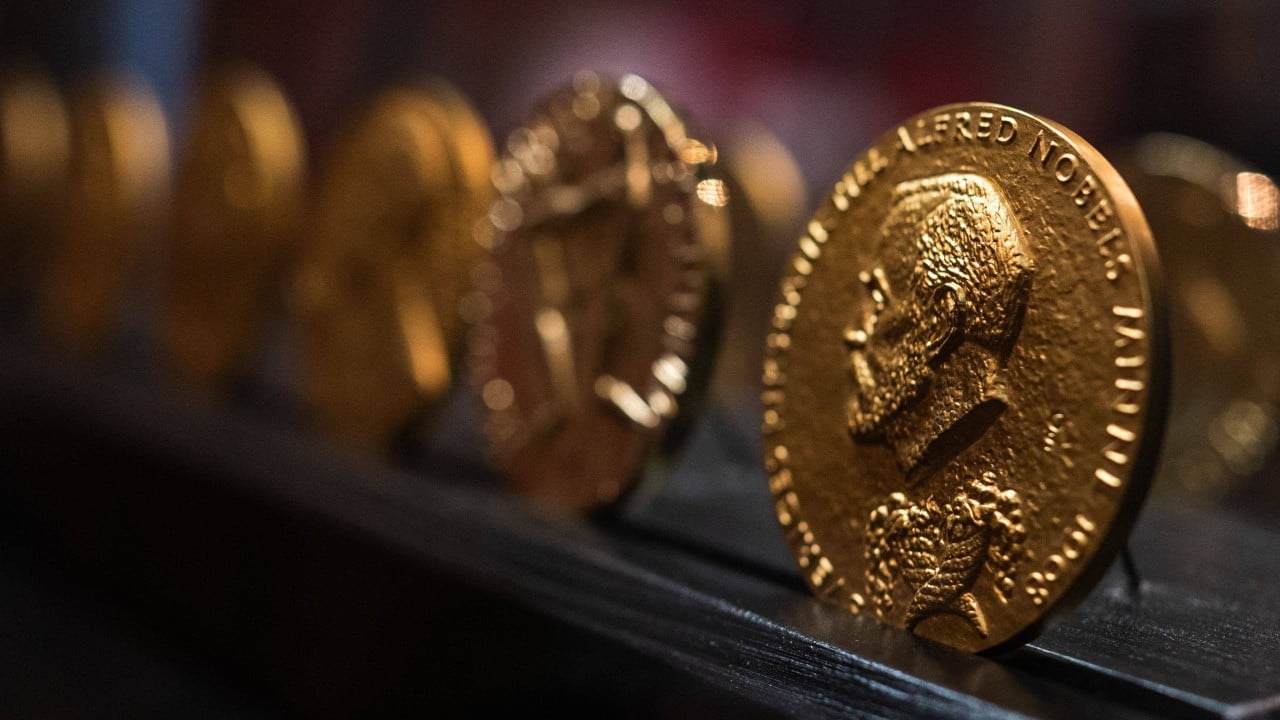
Researchers at the Chinese Academy of Sciences published a study revealing that prestigious scientific awards like the Nobel Prize discourage peers from pursuing unconventional research.
 🏮China & Taiwan
Photo: SCMP China
Key points
- Chinese Academy of Sciences study on elite science awards
- Prestigious prizes discourage unconventional peer research
- Debate over academic incentives and funding structures
A recent investigation conducted by researchers at the Chinese Academy of Sciences indicates that highly prominent innovation awards tend to discourage fellow scientists from engaging in unconventional research paths. According to the study, the degree of negative impact on peer risk-taking correlates directly with the prestige of the accolade, with the most elite honours producing the strongest deterrent effect.
While global scientific prizes traditionally focus public attention on individual laureates and celebrate major discoveries, the broader systemic impact on the wider research community has often remained unexamined. The findings published by the Chinese team suggest that these accolades may inadvertently narrow the scope of academic inquiry by pushing researchers toward safer, more conventional topics in pursuit of similar recognition.
The conclusions prompt broader questions across the scientific establishment regarding the institutional incentives tied to top-tier international honours, including the Nobel Prize. Academic policymakers and funding agencies now face renewed debate over how elite recognition structures influence long-term scientific creativity and the willingness of researchers to explore uncharted avenues.
The stakes
If academic institutions and grant-making bodies take these findings into account, scientific funding models could shift away from rewarding incremental success toward supporting higher-risk experimentation. A failure to adapt risks homogenizing global research and stifling breakthrough discoveries.
Two readings
- Supporters argue that exposing the chilling effect of elite prizes is vital for reforming academic incentives and protecting unconventional scientific inquiry.
- Critics contend that prestigious awards remain essential for inspiring future generations and validating generational leaps in human knowledge regardless of secondary behavioral shifts.
Source SCMP China — scmp.com/news/china/science/article/3374306/more-nobel-winners-less… ↗
Read next
 ✒️Opinion & Analysis
ICJ Rules Myanmar Military Committed Genocide Against Rohingya
The International Court of Justice has found Myanmar's military guilty of genocide against the Rohingya, a ruling that damages the international standing of both Aung San…
 🕯️Democracy & Rights
Chinese teachers face rising parental pressure over personal life choices
Chinese educators are encountering a surge in unreasonable demands from parents, including complaints regarding teachers' pregnancy and maternity leave.
 🛡️War & Security
Ukraine Restricts Media Coverage of Infrastructure Damage Amid Russian Strikes
President Volodymyr Zelenskyy has issued a decree prohibiting media outlets from reporting on the impact of Russian strikes against critical infrastructure and the status…
 🇪🇺Europe
US Air Force Repels Unauthorized Drone Incursion at RAF Lakenheath
U.S. security forces at a British air base successfully countered a group of unidentified drones, amid growing concerns over potential foreign state involvement.
 ⚖️Law & Policy
India Government Proposes 50% Increase in Parliamentary Seats and Women's Reservation
The Indian government plans to introduce legislation to expand the Lok Sabha to 850 seats and mandate a 33% reservation for women in legislative bodies.
 ⚖️Law & Policy
India’s ruling alliance nears two-thirds majority for sweeping parliamentary expansion and delimitation bills
The National Democratic Alliance is nearing a two-thirds majority in Parliament to pass landmark legislation expanding the Lok Sabha by 50 percent and implementing a 33 p…