US agency's rare AI chip disclaimer exposes internal administration rift
The Bureau of Industry and Security publicly distanced itself from new advanced semiconductor restrictions, highlighting rare bureaucratic friction over export controls.
 🏮China & Taiwan
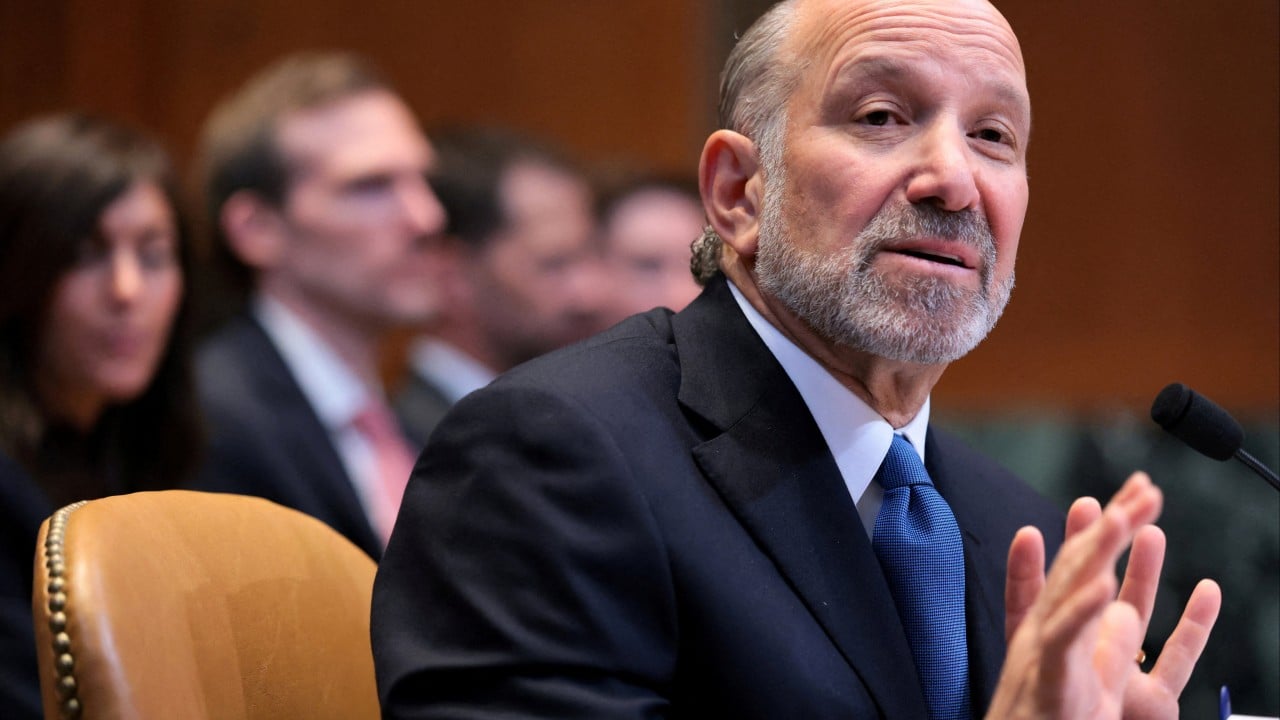
Photo: SCMP China
Key points
- Bureau of Industry and Security distances itself from chip rules
- Directives attributed to Treasury and National Security Council
- Experts cite unprecedented breakdown in inter-agency coordination
The Bureau of Industry and Security issued an unusual public clarification regarding new export restrictions on advanced artificial intelligence semiconductors, explicitly stating the directives originated from the Treasury Department and the National Security Council rather than its own administration. Industry specialists noted the unprecedented nature of the disclaimer, pointing to a distinct fracture in inter-agency policy alignment concerning technology trade.
The policy directives in question seek to limit the export of sophisticated computing hardware to strategic competitors, most notably China. However, the open division between the Commerce Department agency and other federal bodies reveals underlying tensions in how the government executes its technology containment strategy.
Veterans of trade administration highlighted that agencies typically present a united front on sensitive national security rules. The public shifting of responsibility suggests deep internal disagreements regarding the strictness, economic fallout, and jurisdiction of these high-tech trade barriers.
The stakes
If this bureaucratic friction persists, enforcement of technology export controls could become fragmented, creating uncertainty for global semiconductor manufacturers and potentially allowing circumvention of national security measures by foreign competitors.
Two readings
- Supporters view the disclaimer as a sign of rigorous internal debate necessary to balance national security with economic realities.
- Critics argue the public disagreement projects weakness and regulatory confusion to international adversaries and industry stakeholders.
Source SCMP China — scmp.com/news/us/article/3374656/us-agencys-rare-ai-chip-disclaimer… ↗
Read next
 ✒️Opinion & Analysis
ICJ Rules Myanmar Military Committed Genocide Against Rohingya
The International Court of Justice has found Myanmar's military guilty of genocide against the Rohingya, a ruling that damages the international standing of both Aung San…
 🕯️Democracy & Rights
Chinese teachers face rising parental pressure over personal life choices
Chinese educators are encountering a surge in unreasonable demands from parents, including complaints regarding teachers' pregnancy and maternity leave.
 🛡️War & Security
Ukraine Restricts Media Coverage of Infrastructure Damage Amid Russian Strikes
President Volodymyr Zelenskyy has issued a decree prohibiting media outlets from reporting on the impact of Russian strikes against critical infrastructure and the status…
 🇪🇺Europe
US Air Force Repels Unauthorized Drone Incursion at RAF Lakenheath
U.S. security forces at a British air base successfully countered a group of unidentified drones, amid growing concerns over potential foreign state involvement.
 ⚖️Law & Policy
India Government Proposes 50% Increase in Parliamentary Seats and Women's Reservation
The Indian government plans to introduce legislation to expand the Lok Sabha to 850 seats and mandate a 33% reservation for women in legislative bodies.
 ⚖️Law & Policy
India’s ruling alliance nears two-thirds majority for sweeping parliamentary expansion and delimitation bills
The National Democratic Alliance is nearing a two-thirds majority in Parliament to pass landmark legislation expanding the Lok Sabha by 50 percent and implementing a 33 p…