Japan’s Takaichi Faces Budgetary Pressure Amidst Defense Spending Commitments
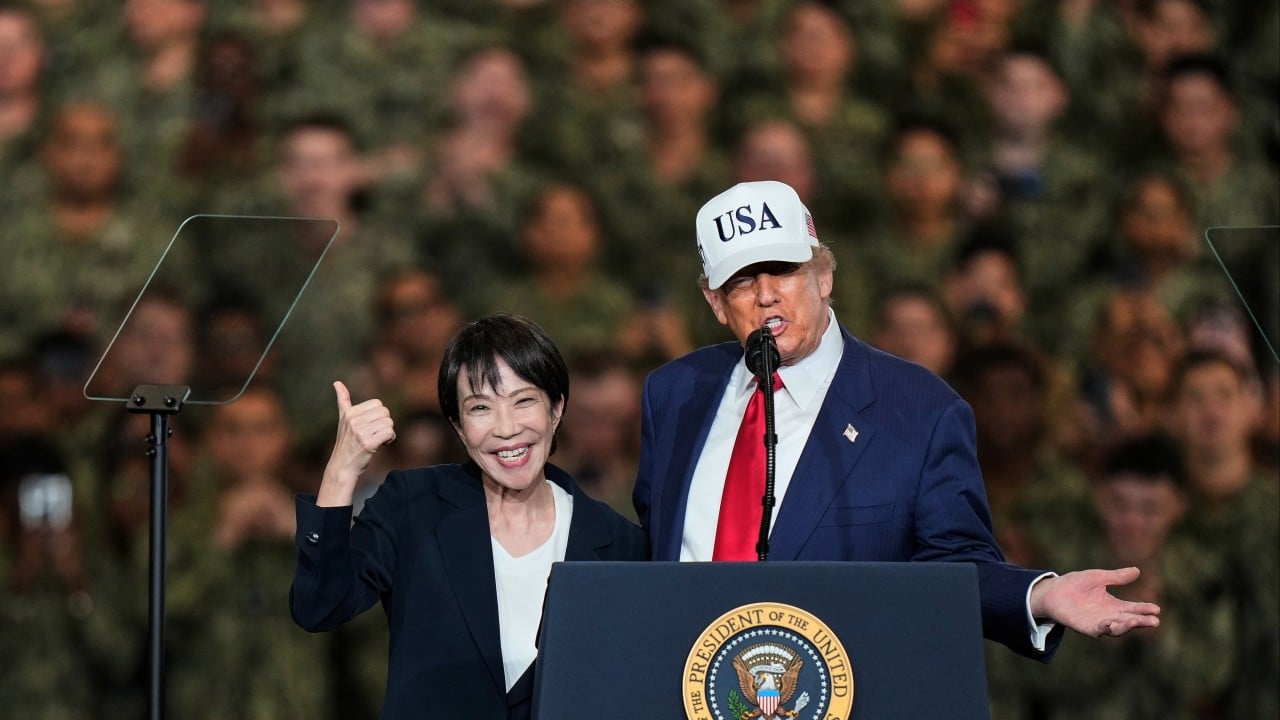
Prime Minister Sanae Takaichi is navigating a difficult fiscal landscape as conservative allies demand increased defense spending while economic constraints and potential US pressure complicate the budget process.
 🏮China & Taiwan
Photo: SCMP Asia
Key points
- Sanae Takaichi faces internal conservative pressure to increase defense spending.
- Economic constraints including a weak yen limit the government's fiscal flexibility.
- US expectations under President Trump complicate Japan's defense budget planning.
Japanese Prime Minister Sanae Takaichi is currently navigating a deepening political divide regarding the nation’s five-year defense budget. While conservative factions within her own party are pushing for robust military investment to bolster national security, the administration is simultaneously grappling with significant economic headwinds, including a weakened yen and strained government finances.
The budgetary debate is further complicated by the looming expectations of the United States. Observers suggest that the administration of President Donald Trump may exert significant influence over Japan's defense priorities, forcing Tokyo to balance domestic fiscal restraint with the international security commitments expected by its primary ally.
The Finance Ministry remains at the center of the dispute, tasked with reconciling the ambitious defense goals championed by hawks with the harsh reality of Japan’s current economic capacity. As Takaichi seeks to maintain party unity, the pressure to demonstrate commitment to military modernization while managing tax policies has created a precarious political situation for her leadership.
The stakes
If the government fails to secure adequate funding for its defense roadmap, it risks alienating conservative supporters and potentially straining the security alliance with the United States. Conversely, prioritizing defense spending over fiscal discipline could exacerbate domestic economic instability and trigger a backlash from voters concerned about government debt and tax burdens.
Two readings
- Supporters argue that Japan must prioritize military strength to counter regional threats, viewing defense spending as an essential investment in national sovereignty regardless of fiscal costs.
- Critics contend that the government must exercise greater financial prudence, warning that overextending the budget to satisfy external expectations will weaken the domestic economy and ignore the immediate needs of the Japanese public.
Source SCMP Asia — scmp.com/week-asia/politics/article/3375224/weak-yen-tax-cuts-put-j… ↗
Read next
 ✒️Opinion & Analysis
ICJ Rules Myanmar Military Committed Genocide Against Rohingya
The International Court of Justice has found Myanmar's military guilty of genocide against the Rohingya, a ruling that damages the international standing of both Aung San…
 🕯️Democracy & Rights
Chinese teachers face rising parental pressure over personal life choices
Chinese educators are encountering a surge in unreasonable demands from parents, including complaints regarding teachers' pregnancy and maternity leave.
 🛡️War & Security
Ukraine Restricts Media Coverage of Infrastructure Damage Amid Russian Strikes
President Volodymyr Zelenskyy has issued a decree prohibiting media outlets from reporting on the impact of Russian strikes against critical infrastructure and the status…
 🇪🇺Europe
US Air Force Repels Unauthorized Drone Incursion at RAF Lakenheath
U.S. security forces at a British air base successfully countered a group of unidentified drones, amid growing concerns over potential foreign state involvement.
 ⚖️Law & Policy
India Government Proposes 50% Increase in Parliamentary Seats and Women's Reservation
The Indian government plans to introduce legislation to expand the Lok Sabha to 850 seats and mandate a 33% reservation for women in legislative bodies.
 ⚖️Law & Policy
India’s ruling alliance nears two-thirds majority for sweeping parliamentary expansion and delimitation bills
The National Democratic Alliance is nearing a two-thirds majority in Parliament to pass landmark legislation expanding the Lok Sabha by 50 percent and implementing a 33 p…