Trump Unilaterally Amends Joint NATO Statement to Include Ukraine in Escalation Warning
President Trump altered a joint statement with NATO Secretary General Mark Rutte to include Ukraine in warnings against expanding the ongoing war, diverging from the original text agreed upon by the alliance.
 🏮China & Taiwan
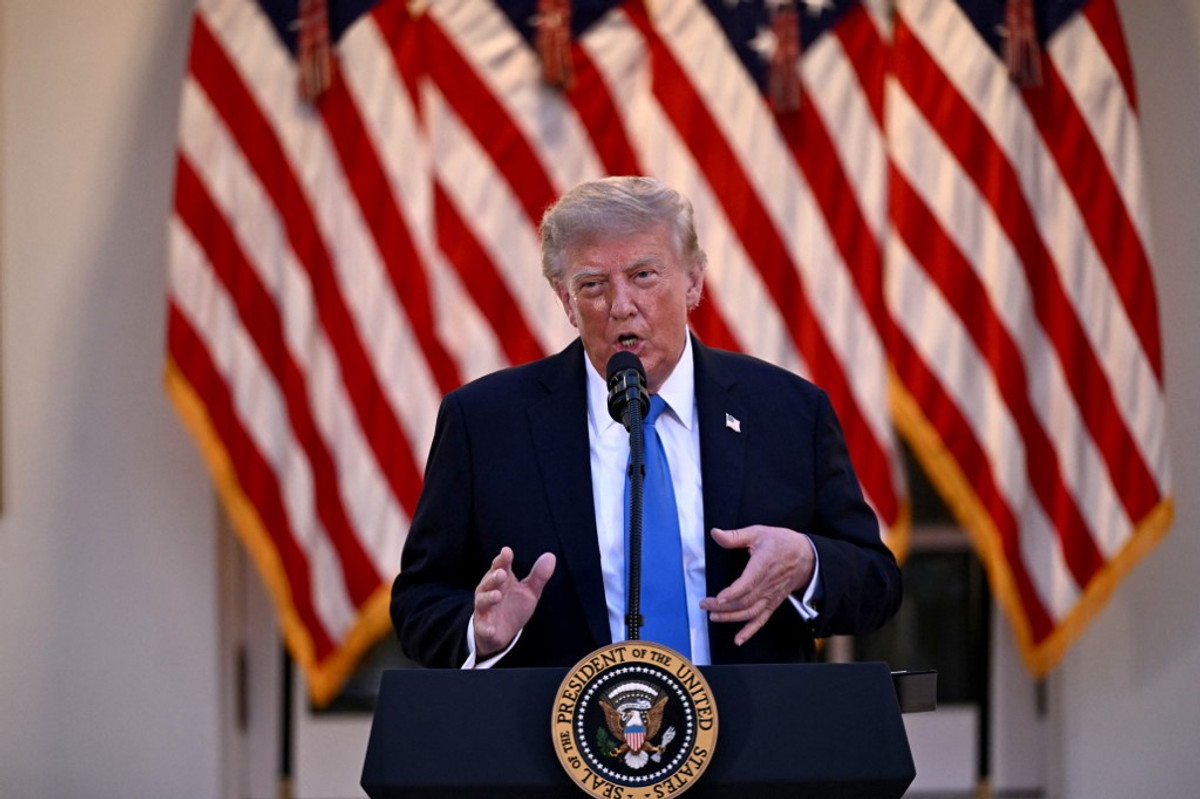
Photo: Kyiv Post
Key points
- President Trump unilaterally amended a joint NATO statement to include Ukraine in escalation warnings.
- NATO officials confirmed the original text was modified without alliance agreement.
- The revision followed a trilateral summit in China involving Trump, Putin, and Xi Jinping.
US President Donald Trump has unilaterally modified a joint statement issued following his meeting with NATO Secretary General Mark Rutte at his Mar-a-Lago residence. While the original document, released by NATO, urged Russia to refrain from actions that could intentionally or unintentionally expand the conflict, the President’s revised version, posted on social media, extended this warning to include Ukraine.
A NATO official confirmed that the initial text had been formally vetted and approved by both parties prior to the President’s subsequent revision. The adjustment occurred shortly after the two leaders met to discuss the security landscape in Europe and the prospects for a peaceful resolution to the conflict.
In addition to the statement, President Trump noted he had engaged in discussions regarding his recent trilateral summit in Shenzhen with Russian President Vladimir Putin and Chinese President Xi Jinping. During these remarks, Trump stated he urged the Russian leader to cease military aggression across European territories, though the summit concluded without a formal ceasefire agreement.
The stakes
This revision signals a potential shift in the administration's diplomatic framing, placing the onus for escalation on both belligerents rather than solely on the aggressor. If this rhetoric becomes official policy, it could complicate ongoing military support for Kyiv and alter the strategic alignment between the White House and its NATO allies.
Two readings
- Supporters view the revision as a necessary push for neutrality and a pragmatic attempt to force both sides to the negotiating table to prevent a wider regional war.
- Critics argue that equating the actions of the invading force with those of the defending nation undermines international law and weakens the collective stance of the NATO alliance.
Source Kyiv Post — kyivpost.com/post/91339 ↗
Read next
 ✒️Opinion & Analysis
ICJ Rules Myanmar Military Committed Genocide Against Rohingya
The International Court of Justice has found Myanmar's military guilty of genocide against the Rohingya, a ruling that damages the international standing of both Aung San…
 🕯️Democracy & Rights
Chinese teachers face rising parental pressure over personal life choices
Chinese educators are encountering a surge in unreasonable demands from parents, including complaints regarding teachers' pregnancy and maternity leave.
 🛡️War & Security
Ukraine Restricts Media Coverage of Infrastructure Damage Amid Russian Strikes
President Volodymyr Zelenskyy has issued a decree prohibiting media outlets from reporting on the impact of Russian strikes against critical infrastructure and the status…
 🇪🇺Europe
US Air Force Repels Unauthorized Drone Incursion at RAF Lakenheath
U.S. security forces at a British air base successfully countered a group of unidentified drones, amid growing concerns over potential foreign state involvement.
 ⚖️Law & Policy
India Government Proposes 50% Increase in Parliamentary Seats and Women's Reservation
The Indian government plans to introduce legislation to expand the Lok Sabha to 850 seats and mandate a 33% reservation for women in legislative bodies.
 ⚖️Law & Policy
India’s ruling alliance nears two-thirds majority for sweeping parliamentary expansion and delimitation bills
The National Democratic Alliance is nearing a two-thirds majority in Parliament to pass landmark legislation expanding the Lok Sabha by 50 percent and implementing a 33 p…