China deploys AI personas to influence Taiwan elections, research reveals
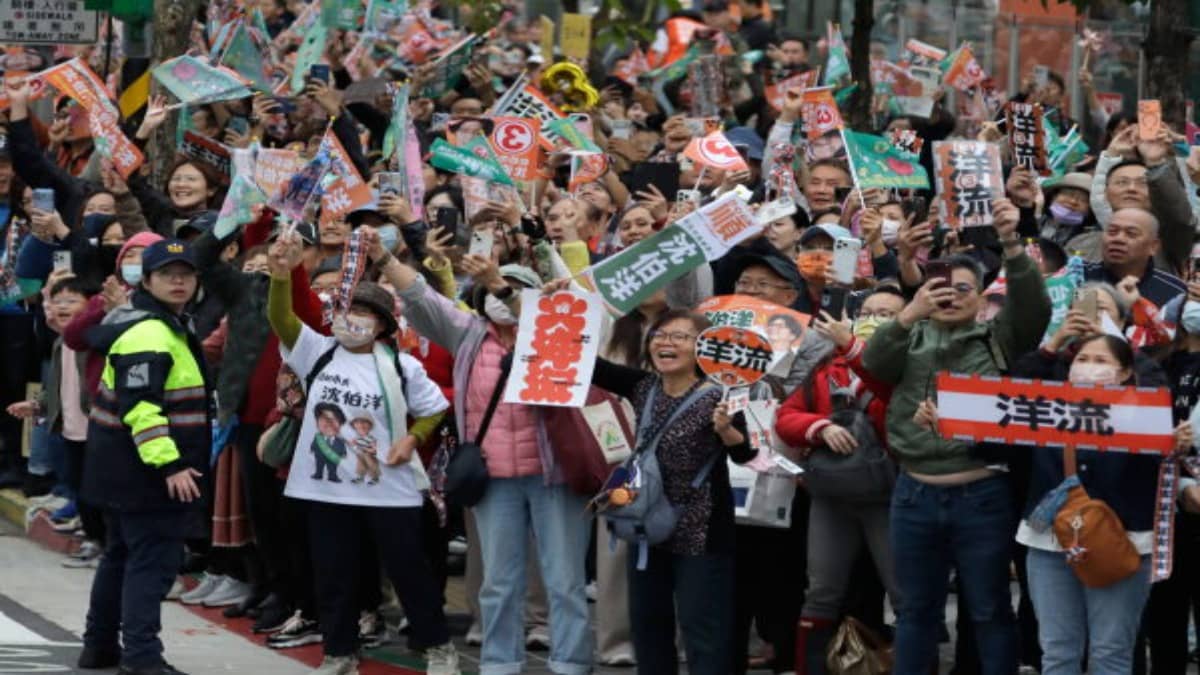
A joint research report shows Beijing is utilizing artificial intelligence-generated social media personas to spread pro-Beijing narratives ahead of local elections in Taiwan.
 🏮China & Taiwan
Photo: AutoGN china · China & Taiwan news
Key points
- Vanderbilt University and Doublethink Lab uncovered AI disinformation tactics targeting Taiwan's elections.
- Inauthentic accounts built long-term credibility by posting mundane content before introducing political messages.
- The campaign utilized hybrid cyberborg accounts blending artificial intelligence tools with human operators.
China is deploying artificial intelligence-generated social media personas to shape public opinion ahead of Taiwan's local elections, according to a research report conducted by Vanderbilt University in collaboration with Taiwan-based Doublethink Lab. The investigation reveals a strategic evolution in information operations, where political messaging is interwoven with mundane content rather than pushed through traditional propaganda channels.
Investigators discovered that suspicious online profiles initially published posts regarding animals, food, and celebrities before gradually pivoting toward messaging that supports Beijing and the unification of Taiwan. Some accounts directly attacked Taiwan's ruling Democratic Progressive Party over governance and corruption issues, while others adopted more nuanced approaches by pretending to support the administration while interacting with pro-China profiles.
Researchers utilized specialized language-analysis tools to identify hybrid, traditional, and AI-powered inauthentic activities between October and November. The findings highlighted the use of so-called cyberborgs that mix synthetic imagery with human-crafted text, operating during standard business hours to evade detection and build long-term credibility.
Brett Benson, an associate professor at Vanderbilt University, stated that the operation reflects remarkable patience in cultivating synthetic identities over extended timeframes. The campaign mirrors strategies observed during past foreign election interference, raising new concerns regarding the security and integrity of democratic voting processes.
The stakes
If these sophisticated AI disinformation campaigns go unchecked, public trust in Taiwan's democratic institutions and electoral outcomes could be severely undermined. Proponents of heightened vigilance gain leverage to demand tighter platform regulations and defensive cyber measures, whereas critics warn that aggressive crackdowns on online activity might infringe upon free speech rights.
Two readings
- Supporters argue that exposing these covert operations is essential for protecting democratic sovereignty and educating voters about foreign manipulation.
- Critics caution that framing subtle online interactions as foreign interference risks stifling legitimate political discourse and dissent.
Read next
 ✒️Opinion & Analysis
ICJ Rules Myanmar Military Committed Genocide Against Rohingya
The International Court of Justice has found Myanmar's military guilty of genocide against the Rohingya, a ruling that damages the international standing of both Aung San…
 🕯️Democracy & Rights
Chinese teachers face rising parental pressure over personal life choices
Chinese educators are encountering a surge in unreasonable demands from parents, including complaints regarding teachers' pregnancy and maternity leave.
 🛡️War & Security
Ukraine Restricts Media Coverage of Infrastructure Damage Amid Russian Strikes
President Volodymyr Zelenskyy has issued a decree prohibiting media outlets from reporting on the impact of Russian strikes against critical infrastructure and the status…
 🇪🇺Europe
US Air Force Repels Unauthorized Drone Incursion at RAF Lakenheath
U.S. security forces at a British air base successfully countered a group of unidentified drones, amid growing concerns over potential foreign state involvement.
 ⚖️Law & Policy
India Government Proposes 50% Increase in Parliamentary Seats and Women's Reservation
The Indian government plans to introduce legislation to expand the Lok Sabha to 850 seats and mandate a 33% reservation for women in legislative bodies.
 ⚖️Law & Policy
India’s ruling alliance nears two-thirds majority for sweeping parliamentary expansion and delimitation bills
The National Democratic Alliance is nearing a two-thirds majority in Parliament to pass landmark legislation expanding the Lok Sabha by 50 percent and implementing a 33 p…