Nissan Curbs China Petrol Car Production Amid Rapid EV Surge and Subsidies
Nissan lowered its Chinese sales targets and cut combustion engine production as state-backed electric vehicle adoption accelerates.
 🏮China & Taiwan
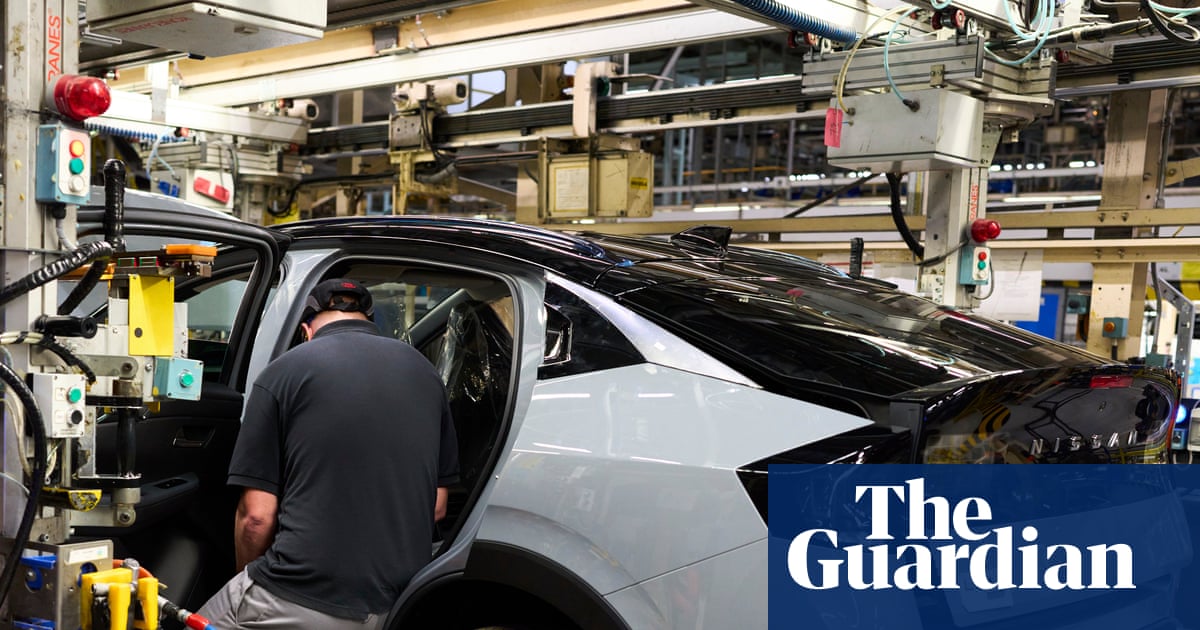
Photo: Guardian China
Key points
- Nissan cuts petrol car production in China due to rapid EV growth
- Chinese state subsidies fuel aggressive domestic competition
- Global automakers face diverging regulatory pressures across regions
Japanese carmaker Nissan announced reductions in its petrol vehicle manufacturing in China, citing an unexpectedly fast market transition toward battery-powered and hybrid alternatives. Company leadership acknowledged that demand within the world's largest automotive market has weakened significantly amid a severe price war driven by heavy government subsidies for domestic electric vehicle manufacturers.
According to the manufacturer, total sales across China dropped by 22 percent in the first half of the year, with declines worsening to 32 percent over the first nine months. Chief Executive Ivan Espinosa stated that the firm's current product catalog remains overly reliant on internal combustion engines, forcing management to scale back local operations, export select models, and accelerate the rollout of its electrified N-series range.
While pivoting toward new energy vehicles in Asia, the corporation has simultaneously sought regulatory relief in other regions, including lobbying against stricter zero-emission mandates in the United Kingdom and navigating proposed European Union manufacturing regulations. This divergence highlights the growing policy tensions multinational firms face as governments leverage industrial subsidies and environmental rules to reshape domestic transport markets.
The stakes
State-backed industrial strategies gain ground as Chinese electric vehicle producers capture greater market share, while traditional multinational manufacturers risk losing profitability if they fail to adapt quickly to policy-driven energy transitions.
Two readings
- Supporters view state subsidies and aggressive emission mandates as vital industrial policies necessary to accelerate the global transition toward sustainable transport and secure technological dominance.
- Critics argue that heavy state intervention distorts global market competition, penalizes foreign legacy automakers, and forces abrupt industrial shifts before supply chains and consumer demand are fully prepared.
Source Guardian China — theguardian.com/business/2026/nov/11/nissan-reduces-petrol-car-prod… ↗
Read next
 ✒️Opinion & Analysis
ICJ Rules Myanmar Military Committed Genocide Against Rohingya
The International Court of Justice has found Myanmar's military guilty of genocide against the Rohingya, a ruling that damages the international standing of both Aung San…
 🕯️Democracy & Rights
Chinese teachers face rising parental pressure over personal life choices
Chinese educators are encountering a surge in unreasonable demands from parents, including complaints regarding teachers' pregnancy and maternity leave.
 🛡️War & Security
Ukraine Restricts Media Coverage of Infrastructure Damage Amid Russian Strikes
President Volodymyr Zelenskyy has issued a decree prohibiting media outlets from reporting on the impact of Russian strikes against critical infrastructure and the status…
 🇪🇺Europe
US Air Force Repels Unauthorized Drone Incursion at RAF Lakenheath
U.S. security forces at a British air base successfully countered a group of unidentified drones, amid growing concerns over potential foreign state involvement.
 ⚖️Law & Policy
India Government Proposes 50% Increase in Parliamentary Seats and Women's Reservation
The Indian government plans to introduce legislation to expand the Lok Sabha to 850 seats and mandate a 33% reservation for women in legislative bodies.
 ⚖️Law & Policy
India’s ruling alliance nears two-thirds majority for sweeping parliamentary expansion and delimitation bills
The National Democratic Alliance is nearing a two-thirds majority in Parliament to pass landmark legislation expanding the Lok Sabha by 50 percent and implementing a 33 p…