Iran Restores 106 Million Cubic Meters of Daily Gas Production Amid Facility Repairs
Acting Oil Minister Hamid Bovard announced the return of 106 million cubic meters per day of gas to production following infrastructure repairs and new domestic field projects.
 🌡️Energy & Climate
Photo: Tehran Times
Key points
- 106 million cubic meters per day of gas returned to production cycle
- Inauguration of Homa and Tabnak gas field infrastructure projects
- Allocation of $350 million toward facility reconstruction and flare gas collection
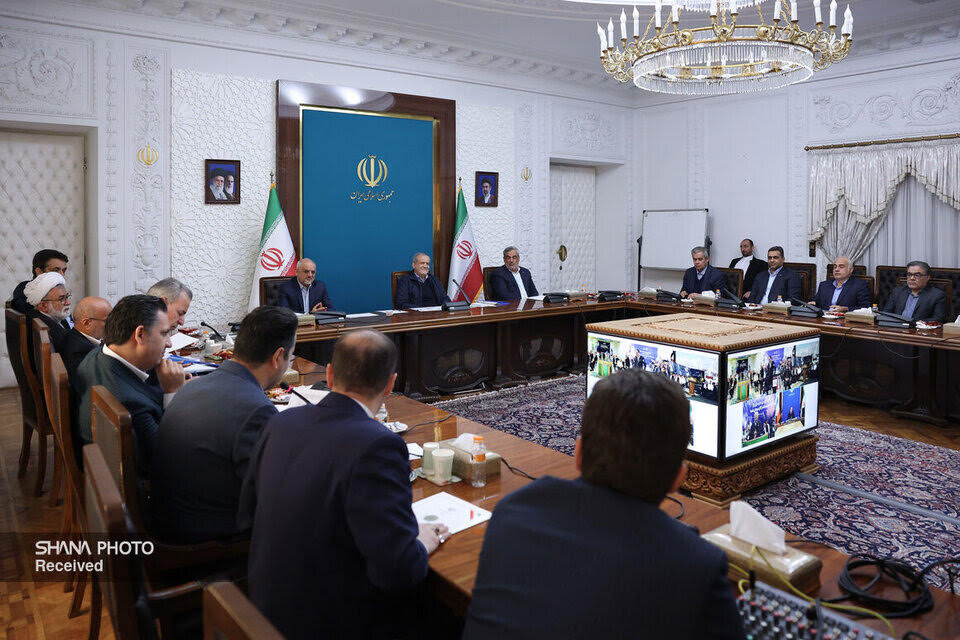
Acting Oil Minister Hamid Bovard announced that approximately 106 million cubic meters per day of gas have been successfully restored to production following extensive reconstruction of damaged facilities and the launch of new domestic projects. Speaking at an online inauguration ceremony attended by President Masoud Pezeshkian, Bovard highlighted the sector's resilience under difficult operational conditions and severe international sanctions, emphasizing that domestic engineering capabilities were utilized to bypass external restrictions.
The administration allocated roughly $350 million, equivalent to 70 trillion tomans, to rebuild infrastructure after parts of the South Pars facilities suffered damage. During the ceremony, two major onshore ventures were formally unveiled: the Homa gas field pressure-boosting station, which adds around 7 million cubic meters per day to feed the Parsian refinery at a cost of €126 million, and the Tabnak gas field separation center, which secures a capacity of 33 million cubic meters per day with an investment of €85 million.
Bovard also pointed to progress in flare gas collection initiatives, including projects at Maroun 3 and 5 alongside the Darkhovin associated gas transfer line. These efforts aim to curb hydrocarbon waste, generate annual revenue, and supply necessary feed to local refining plants. The ministry stated that these measures form a three-track strategy designed to address domestic gas imbalances, maintain energy supplies for foreign-currency-earning petrochemical industries, and continuously unveil new infrastructural projects throughout the remainder of the year.
The stakes
Successful recovery of national gas output protects critical domestic energy supplies and safeguards foreign-currency revenues from petrochemical exports. However, failure to sustain these heavily pressured fields under ongoing sanctions could deepen energy imbalances and constrain industrial operations.
Two readings
- Supporters view the rapid restoration of complex facilities using domestic expertise as a triumph of economic self-reliance over foreign sanctions.
- Critics argue that reliance on domestic workarounds cannot indefinitely offset the systemic deterioration caused by a lack of advanced foreign technology and investment.
Source Tehran Times — tehrantimes.com/news/532616/Acting-oil-minister-announces-return-of… ↗
Read next
 ✒️Opinion & Analysis
ICJ Rules Myanmar Military Committed Genocide Against Rohingya
The International Court of Justice has found Myanmar's military guilty of genocide against the Rohingya, a ruling that damages the international standing of both Aung San…
 🕯️Democracy & Rights
Chinese teachers face rising parental pressure over personal life choices
Chinese educators are encountering a surge in unreasonable demands from parents, including complaints regarding teachers' pregnancy and maternity leave.
 🛡️War & Security
Ukraine Restricts Media Coverage of Infrastructure Damage Amid Russian Strikes
President Volodymyr Zelenskyy has issued a decree prohibiting media outlets from reporting on the impact of Russian strikes against critical infrastructure and the status…
 🏮China & Taiwan
Beijing Reaffirms Reunification Stance Following Taiwan Local Election Results
China’s Taiwan Affairs Office declared that the island’s reunification with the mainland remains inevitable, despite recent shifts in Taiwan's local political landscape.
 🇪🇺Europe
US Air Force Repels Unauthorized Drone Incursion at RAF Lakenheath
U.S. security forces at a British air base successfully countered a group of unidentified drones, amid growing concerns over potential foreign state involvement.
 ⚖️Law & Policy
India Government Proposes 50% Increase in Parliamentary Seats and Women's Reservation
The Indian government plans to introduce legislation to expand the Lok Sabha to 850 seats and mandate a 33% reservation for women in legislative bodies.