Delhi High Court Orders Expert Review of UGC-NET Examination Answer Key
The Delhi High Court has directed an expert committee to re-examine four disputed answers in the UGC-NET June 2026 examination. The ruling follows concerns that inaccuracies in the answer key could unfairly alter candidate merit rankings and eligibility.
 🕯️Democracy & Rights
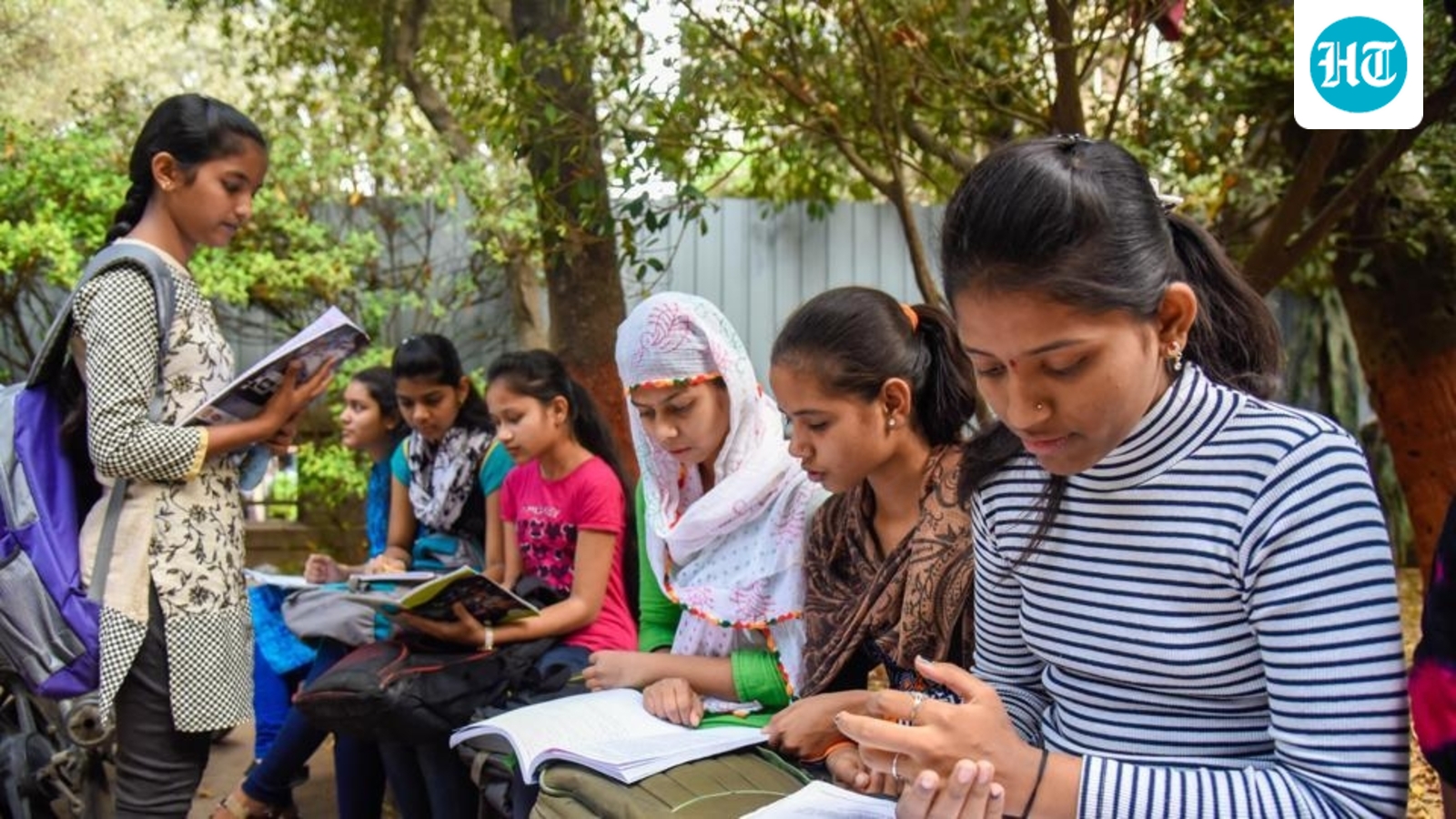
Photo: Hindustan Times
Key points
- Delhi High Court orders expert review of four UGC-NET answer key entries.
- The June 2026 exam faced multiple controversies, including repeated questions and calls for re-examination.
- The expert committee must provide a reasoned decision within three weeks.
The Delhi High Court has mandated an expert review of four questions from the June 2026 UGC-NET examination following petitions from candidates who challenged the validity of the official answer key. Justice Jasmeet Singh, presiding over the case, emphasized that even minor errors in grading can have significant consequences for a candidate’s academic future, as a single mark often determines the difference between qualifying and failing.
The UGC-NET examination, which saw over 727,000 participants, has faced widespread scrutiny throughout the year. Beyond the current legal challenge, the National Testing Agency (NTA) was previously forced to hold a fresh examination in September 2026 after reports of repeated questions and widespread discrepancies in papers for English, Commerce, and Sociology.
While the court declined to intervene in six of the ten disputed questions—citing that those matters fell within the realm of academic opinion—it ordered a formal review for the remaining four. The expert committee is required to hear from the petitioners and issue a reasoned decision within three weeks.
The stakes
The court's intervention ensures that affected candidates have a pathway to rectify potential grading injustices, which could shift the final merit list and qualifying status for many. If the review identifies errors, the NTA will likely be required to adjust scores, potentially altering the eligibility of hundreds of aspirants for research and teaching positions.
Two readings
- Supporters of the ruling argue it upholds the integrity of national examinations and protects the rights of students against administrative negligence.
- Critics suggest that judicial intervention in academic content sets a difficult precedent, potentially inviting endless litigation over subjective or debatable questions.
Source Hindustan Times — hindustantimes.com/india-news/errors-in-ugc-net-answer-key-delhi-hc… ↗
Read next
 ✒️Opinion & Analysis
ICJ Rules Myanmar Military Committed Genocide Against Rohingya
The International Court of Justice has found Myanmar's military guilty of genocide against the Rohingya, a ruling that damages the international standing of both Aung San…
 🛡️War & Security
Ukraine Restricts Media Coverage of Infrastructure Damage Amid Russian Strikes
President Volodymyr Zelenskyy has issued a decree prohibiting media outlets from reporting on the impact of Russian strikes against critical infrastructure and the status…
 🏮China & Taiwan
Beijing Reaffirms Reunification Stance Following Taiwan Local Election Results
China’s Taiwan Affairs Office declared that the island’s reunification with the mainland remains inevitable, despite recent shifts in Taiwan's local political landscape.
 🇪🇺Europe
US Air Force Repels Unauthorized Drone Incursion at RAF Lakenheath
U.S. security forces at a British air base successfully countered a group of unidentified drones, amid growing concerns over potential foreign state involvement.
 ⚖️Law & Policy
India Government Proposes 50% Increase in Parliamentary Seats and Women's Reservation
The Indian government plans to introduce legislation to expand the Lok Sabha to 850 seats and mandate a 33% reservation for women in legislative bodies.
 ⚖️Law & Policy
India’s ruling alliance nears two-thirds majority for sweeping parliamentary expansion and delimitation bills
The National Democratic Alliance is nearing a two-thirds majority in Parliament to pass landmark legislation expanding the Lok Sabha by 50 percent and implementing a 33 p…