UN Experts Raise Alarm Over Systematic Persecution of Iranian Defense Lawyers
United Nations human rights experts have condemned the Iranian government's intensified crackdown on independent legal professionals, warning that such actions undermine the right to a fair trial.
 🕯️Democracy & Rights
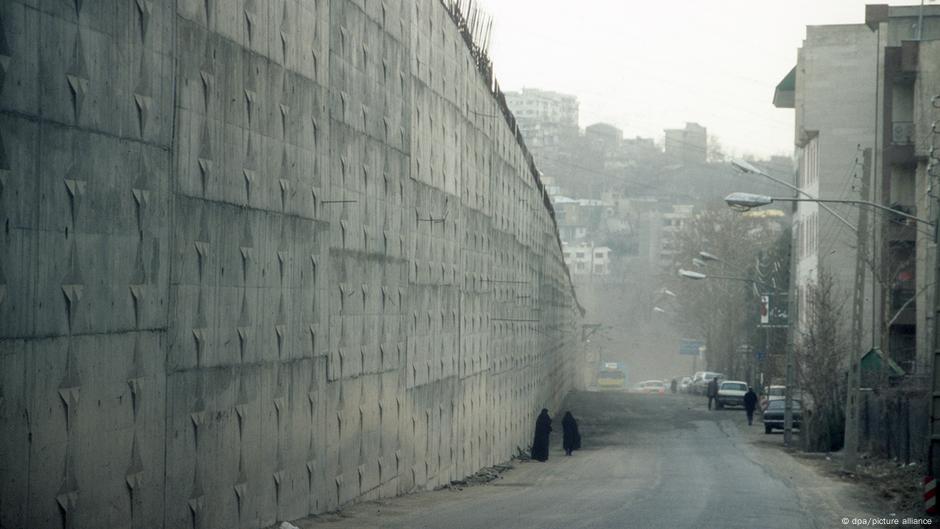
Photo: DW English
Key points
- UN experts report 135 cases of lawyer persecution in one year.
- Legal restrictions under Article 48 limit defendants to state-approved counsel.
- Systematic intimidation discourages lawyers from defending political dissidents.
A group of United Nations human rights experts has issued an urgent appeal for Iranian authorities to cease the systematic harassment and prosecution of independent lawyers. According to the experts, the state has increasingly utilized arrests, travel bans, and professional suspensions to intimidate legal advocates, particularly those handling human rights cases or defending individuals involved in civil protests. Between September 2025 and September 2026, at least 135 legal professionals faced various forms of state-sanctioned retaliation.
The crackdown has severely restricted the ability of defendants to secure adequate representation. Under current interpretations of Article 48 of Iran's Code of Criminal Procedure, individuals facing certain charges are often forced to choose from a list of judiciary-approved lawyers during the investigation phase. Activists note that even these approved counsel frequently face restricted access to case files and evidence, while judges often prioritize testimony from security agencies over defense arguments.
High-profile figures, including Sakharov Prize laureate Nasrin Sotoudeh, remain targets of this pressure, while others like Amirsalar Davoudi have faced detention and health crises while in custody. Observers argue that these measures are designed to discourage attorneys from taking on political cases, thereby stripping dissidents of their fundamental right to a defense and ensuring the judiciary remains an extension of the state's security apparatus.
The stakes
The continued erosion of legal independence in Iran threatens to dismantle the remaining protections for political prisoners and civil rights activists. If these trends persist, the Iranian legal system risks total isolation from international standards, effectively rendering fair trials impossible for anyone challenging the state and emboldening security forces to act with absolute impunity.
Two readings
- Supporters of the government's actions argue that strict control over the legal profession is necessary to prevent 'propaganda against the system' and to maintain national security against foreign-backed unrest.
- Critics and human rights organizations contend that the state is deliberately criminalizing the legal profession to insulate its security apparatus from accountability and to silence dissent through coerced judicial outcomes.
Source DW English — dw.com/en/repression-against-iranian-lawyers-increases/a-80006742?m… ↗
Read next
 ✒️Opinion & Analysis
ICJ Rules Myanmar Military Committed Genocide Against Rohingya
The International Court of Justice has found Myanmar's military guilty of genocide against the Rohingya, a ruling that damages the international standing of both Aung San…
 🛡️War & Security
Ukraine Restricts Media Coverage of Infrastructure Damage Amid Russian Strikes
President Volodymyr Zelenskyy has issued a decree prohibiting media outlets from reporting on the impact of Russian strikes against critical infrastructure and the status…
 🏮China & Taiwan
Beijing Reaffirms Reunification Stance Following Taiwan Local Election Results
China’s Taiwan Affairs Office declared that the island’s reunification with the mainland remains inevitable, despite recent shifts in Taiwan's local political landscape.
 🇪🇺Europe
US Air Force Repels Unauthorized Drone Incursion at RAF Lakenheath
U.S. security forces at a British air base successfully countered a group of unidentified drones, amid growing concerns over potential foreign state involvement.
 ⚖️Law & Policy
India Government Proposes 50% Increase in Parliamentary Seats and Women's Reservation
The Indian government plans to introduce legislation to expand the Lok Sabha to 850 seats and mandate a 33% reservation for women in legislative bodies.
 ⚖️Law & Policy
India’s ruling alliance nears two-thirds majority for sweeping parliamentary expansion and delimitation bills
The National Democratic Alliance is nearing a two-thirds majority in Parliament to pass landmark legislation expanding the Lok Sabha by 50 percent and implementing a 33 p…