Fire and Emergency New Zealand Leaders Question Whether Bullying Has Ended
Top officials at Fire and Emergency New Zealand have admitted uncertainty over whether military-style bullying has been eliminated, contradicting earlier public assurances.
 🕯️Democracy & Rights
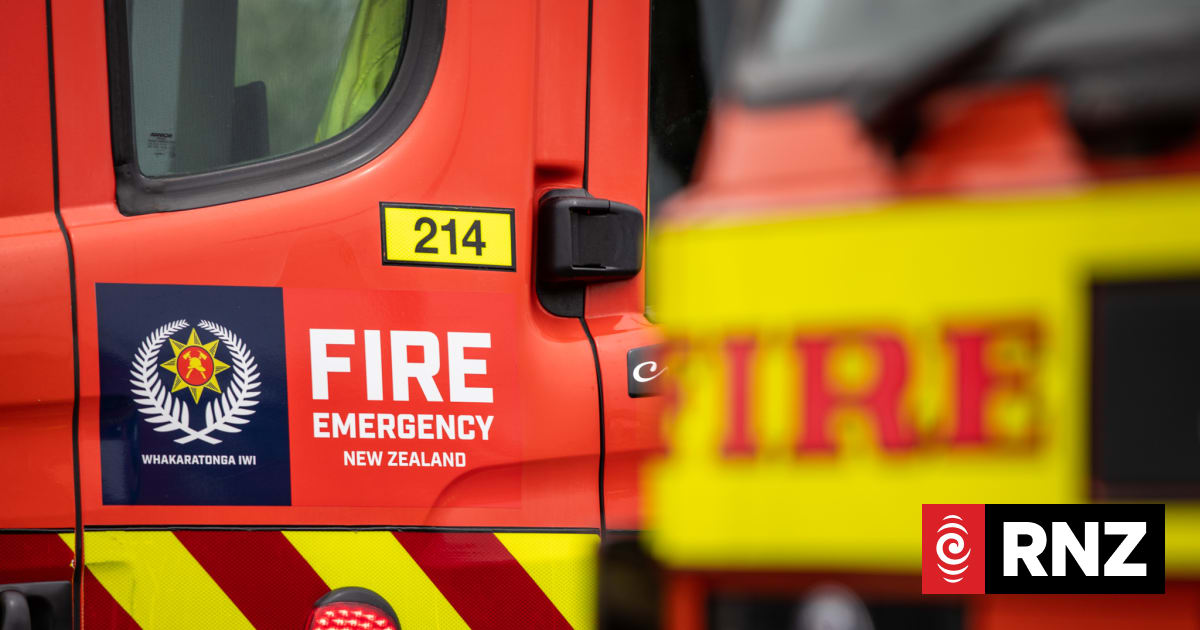
Photo: RNZ Politics
Key points
- FENZ leaders question if training bullying has stopped
- Board chair criticizes internal reporting framework
- Union president calls leadership out of touch
Fire and Emergency New Zealand (FENZ) leaders told staff during an internal online meeting that they remain uncertain whether aggressive training practices, known as "beasting," have been successfully eradicated. The statements from the agency's leadership came just days after FENZ publicly maintained that the issue had been fully addressed and relegated to the past.
The controversy emerged following revelations from an 18-month-old training report detailing old-school military-style tactics used to belittle underperforming recruits at the Rotorua national training centre. During last week's town hall meeting, acting chief executive Darryl Purdy and newly appointed board chair Raveen Jaduram faced direct questions from personnel regarding whether leadership had prior knowledge of the behavior and what accountability measures were taken.
Jaduram, who assumed his role in June following the resignation of former chief executive Kerry Gregory, criticized the agency's internal reporting framework. He noted that the handling of the training report exposed systemic flaws where critical documents failed to reach appropriate levels for accountability and closure. Purdy confirmed he is currently reviewing two long-standing reports concerning career and volunteer firefighter training to determine if such activities persist.
Meanwhile, Professional Firefighters' Union national president Joe Stanley dismissed the internal debate as a distraction from broader institutional mismanagement and under-resourced training facilities. FENZ officials later defended their position in a statement, asserting there was no contradiction between public assurances and leadership's ongoing testing of training reforms.
The stakes
If leadership fails to establish rigorous internal oversight and accountability, public trust in emergency services will erode further, potentially demoralizing frontline personnel and exposing systemic governance failures within state agencies.
Two readings
- Supporters read the leadership's actions as a transparent and necessary internal review demonstrating proactive governance under new management.
- Critics read the admissions as proof of institutional dysfunction, chronic mismanagement, and an attempt by leadership to cover up deep-seated cultural problems.
Source RNZ Politics — rnz.co.nz/news/political/2481753/fenz-leaders-voice-doubts-over-whe… ↗
Read next
 ✒️Opinion & Analysis
ICJ Rules Myanmar Military Committed Genocide Against Rohingya
The International Court of Justice has found Myanmar's military guilty of genocide against the Rohingya, a ruling that damages the international standing of both Aung San…
 🛡️War & Security
Ukraine Restricts Media Coverage of Infrastructure Damage Amid Russian Strikes
President Volodymyr Zelenskyy has issued a decree prohibiting media outlets from reporting on the impact of Russian strikes against critical infrastructure and the status…
 🏮China & Taiwan
Beijing Reaffirms Reunification Stance Following Taiwan Local Election Results
China’s Taiwan Affairs Office declared that the island’s reunification with the mainland remains inevitable, despite recent shifts in Taiwan's local political landscape.
 🇪🇺Europe
US Air Force Repels Unauthorized Drone Incursion at RAF Lakenheath
U.S. security forces at a British air base successfully countered a group of unidentified drones, amid growing concerns over potential foreign state involvement.
 ⚖️Law & Policy
India Government Proposes 50% Increase in Parliamentary Seats and Women's Reservation
The Indian government plans to introduce legislation to expand the Lok Sabha to 850 seats and mandate a 33% reservation for women in legislative bodies.
 ⚖️Law & Policy
India’s ruling alliance nears two-thirds majority for sweeping parliamentary expansion and delimitation bills
The National Democratic Alliance is nearing a two-thirds majority in Parliament to pass landmark legislation expanding the Lok Sabha by 50 percent and implementing a 33 p…