Cuban Authorities Deploy Food Trucks Following Protests in El Cobre
Residents of El Cobre marched to demand the release of an activist who operated a local food charity, prompting an immediate, state-managed food delivery to the area.
 🕯️Democracy & Rights
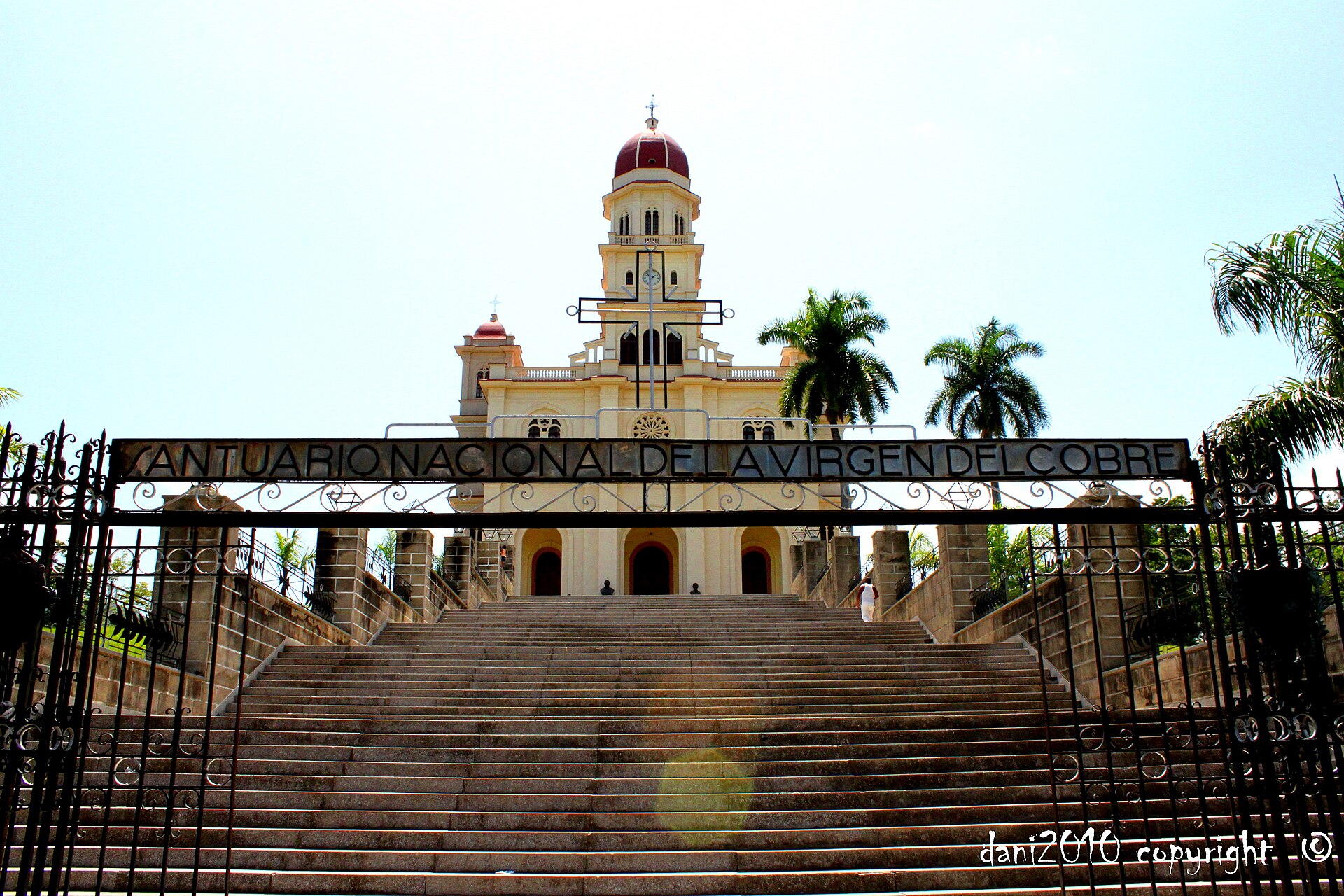
Photo: Rio Times
Key points
- Activist Yoel Alejandro Pérez Serrano arrested in El Cobre following reported security raid.
- Residents staged protests demanding the release of the activist, who ran a local food charity.
- Government-linked food trucks arrived in the town immediately following the public demonstrations.
Cuban authorities dispatched food trucks to the town of El Cobre on November 8, 2026, one day after residents held a public demonstration demanding the release of local activist Yoel Alejandro Pérez Serrano. Pérez Serrano, who managed a charitable project known as Salvar Cuba that provided free meals to vulnerable residents, was reportedly taken into custody by State Security agents during a raid on his home in the nearby community of Guamuta on November 7.
Independent journalists and opposition figures, including José Daniel Ferrer, reported that the arrest involved a heavy security presence that sealed off the neighborhood and seized personal property. Following the detention, dozens of local residents, including families, marched through El Cobre chanting for the activist's release. The subsequent arrival of government-sanctioned food trucks has been interpreted by observers as a tactical response to quell local unrest rather than a systemic effort to address chronic food shortages.
The Cuban government has remained silent regarding the arrest of Pérez Serrano, and his current location and legal status remain unknown. While the activist had previously gained local prominence for his public criticisms of the government’s response to natural disasters and his calls for political reform, the state has provided no official explanation for his detention or the sudden arrival of food supplies in the town.
The stakes
The incident highlights the volatile intersection of food insecurity and political dissent in Cuba. By providing food immediately after a protest, the government risks signaling that resources are contingent on political compliance, potentially incentivizing further unrest while simultaneously attempting to neutralize the influence of independent activists who fill gaps in the state's social safety net.
Two readings
- Supporters of the government may view the food distribution as a necessary administrative response to ensure stability and provide for the community's basic needs during a period of economic hardship.
- Critics and human rights observers argue that the timing of the delivery is a calculated move to pacify protesters and undermine the popularity of independent aid organizers who challenge the state's authority.
Source Rio Times — riotimesonline.com/cuba-el-cobre-food-trucks-after-protest/ ↗
Read next
 ✒️Opinion & Analysis
ICJ Rules Myanmar Military Committed Genocide Against Rohingya
The International Court of Justice has found Myanmar's military guilty of genocide against the Rohingya, a ruling that damages the international standing of both Aung San…
 🛡️War & Security
Ukraine Restricts Media Coverage of Infrastructure Damage Amid Russian Strikes
President Volodymyr Zelenskyy has issued a decree prohibiting media outlets from reporting on the impact of Russian strikes against critical infrastructure and the status…
 🏮China & Taiwan
Beijing Reaffirms Reunification Stance Following Taiwan Local Election Results
China’s Taiwan Affairs Office declared that the island’s reunification with the mainland remains inevitable, despite recent shifts in Taiwan's local political landscape.
 🇪🇺Europe
US Air Force Repels Unauthorized Drone Incursion at RAF Lakenheath
U.S. security forces at a British air base successfully countered a group of unidentified drones, amid growing concerns over potential foreign state involvement.
 ⚖️Law & Policy
India Government Proposes 50% Increase in Parliamentary Seats and Women's Reservation
The Indian government plans to introduce legislation to expand the Lok Sabha to 850 seats and mandate a 33% reservation for women in legislative bodies.
 ⚖️Law & Policy
India’s ruling alliance nears two-thirds majority for sweeping parliamentary expansion and delimitation bills
The National Democratic Alliance is nearing a two-thirds majority in Parliament to pass landmark legislation expanding the Lok Sabha by 50 percent and implementing a 33 p…