UN Rapporteur Warns of Escalating Repression and Public Executions in North Korea
United Nations Special Rapporteur Elizabeth Salmón briefed a General Assembly committee on October 27 regarding North Korea's expanded use of public executions and ideological controls.
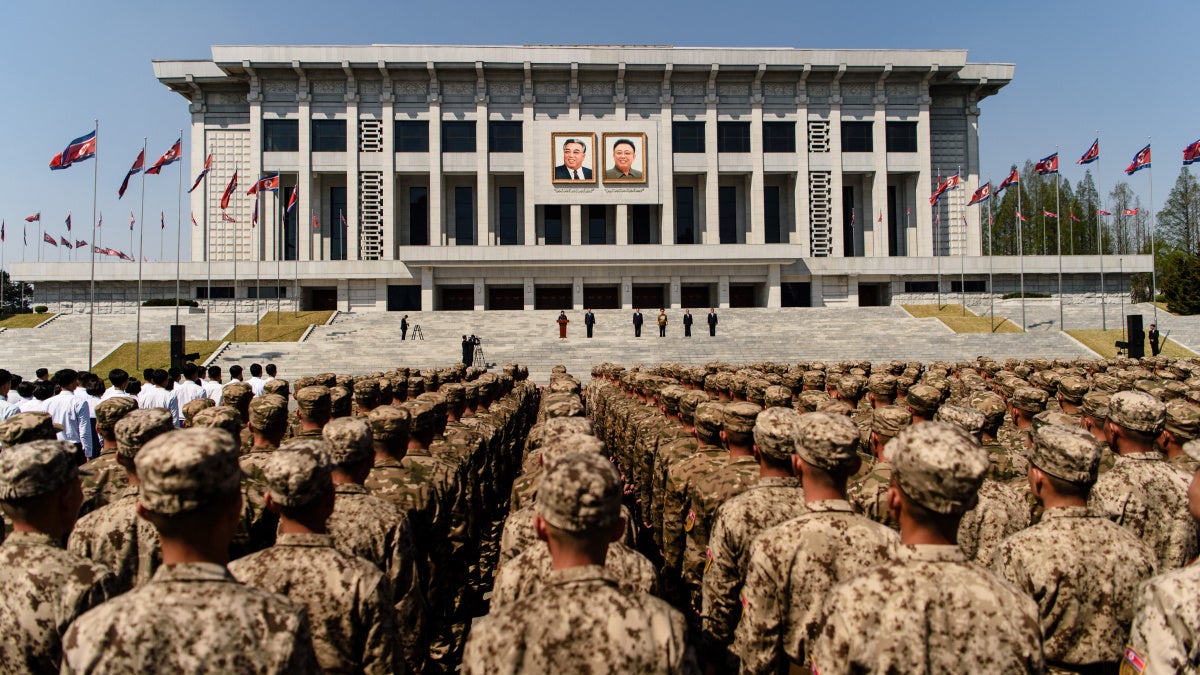 🕯️Democracy & Rights
Photo: Human Rights Watch
Key points
- UN Special Rapporteur Elizabeth Salmón briefed a General Assembly committee on October 27.
- Reports indicate a sharp increase in public executions and surveillance in North Korea since 2020.
- Experts stress that domestic human rights abuses are directly linked to the state's nuclear weapons program.
United Nations Special Rapporteur Elizabeth Salmón briefed a UN General Assembly committee on October 27, reporting that North Korean authorities have escalated the application of public executions and tightened ideological restrictions. During the address, Salmón described capital punishment in the country as an instrument of political and social dominance, reinforced by intensified domestic surveillance and constraints on fundamental liberties.
The findings align with independent documentation from Human Rights Watch and the Transitional Justice Working Group, which noted a surge in death sentences since 2020. This uptick heavily targets individuals accused of circulating foreign media within the state. Observers emphasize that these severe crackdowns coincide with broader governmental measures implemented since the beginning of the Covid-19 pandemic.
International rights advocates caution that diplomatic initiatives led by the United States and South Korea risk sidelining humanitarian concerns in favor of purely military and security discussions. UN experts argue that systemic abuses, including forced labor, are structurally connected to the financing and development of Pyongyang's nuclear weapons program at the expense of domestic welfare.
The stakes
If the international community continues to separate security dialogue from human rights advocacy, vulnerable populations inside North Korea face intensified repression while Pyongyang's weapons programs remain unchecked. Integrating rights into diplomatic frameworks could alter how foreign governments engage with Kim Jong Un's administration.
Two readings
- Supporters of the Special Rapporteur's approach argue that addressing domestic repression and weapons proliferation in tandem is essential to halting systemic abuses and curbing the regime's military capabilities.
- Critics and member states focused primarily on regional security often maintain that pressing human rights issues could derail fragile diplomatic negotiations concerning denuclearization.
Source Human Rights Watch — hrw.org/news/2026/11/09/un-report-highlights-north-koreas-deepening… ↗
Read next
 ✒️Opinion & Analysis
ICJ Rules Myanmar Military Committed Genocide Against Rohingya
The International Court of Justice has found Myanmar's military guilty of genocide against the Rohingya, a ruling that damages the international standing of both Aung San…
 🛡️War & Security
Ukraine Restricts Media Coverage of Infrastructure Damage Amid Russian Strikes
President Volodymyr Zelenskyy has issued a decree prohibiting media outlets from reporting on the impact of Russian strikes against critical infrastructure and the status…
 🏮China & Taiwan
Beijing Reaffirms Reunification Stance Following Taiwan Local Election Results
China’s Taiwan Affairs Office declared that the island’s reunification with the mainland remains inevitable, despite recent shifts in Taiwan's local political landscape.
 🇪🇺Europe
US Air Force Repels Unauthorized Drone Incursion at RAF Lakenheath
U.S. security forces at a British air base successfully countered a group of unidentified drones, amid growing concerns over potential foreign state involvement.
 ⚖️Law & Policy
India Government Proposes 50% Increase in Parliamentary Seats and Women's Reservation
The Indian government plans to introduce legislation to expand the Lok Sabha to 850 seats and mandate a 33% reservation for women in legislative bodies.
 ⚖️Law & Policy
India’s ruling alliance nears two-thirds majority for sweeping parliamentary expansion and delimitation bills
The National Democratic Alliance is nearing a two-thirds majority in Parliament to pass landmark legislation expanding the Lok Sabha by 50 percent and implementing a 33 p…