Taliban Health Restrictions Push Afghan Women to the Brink, UN Report Warns
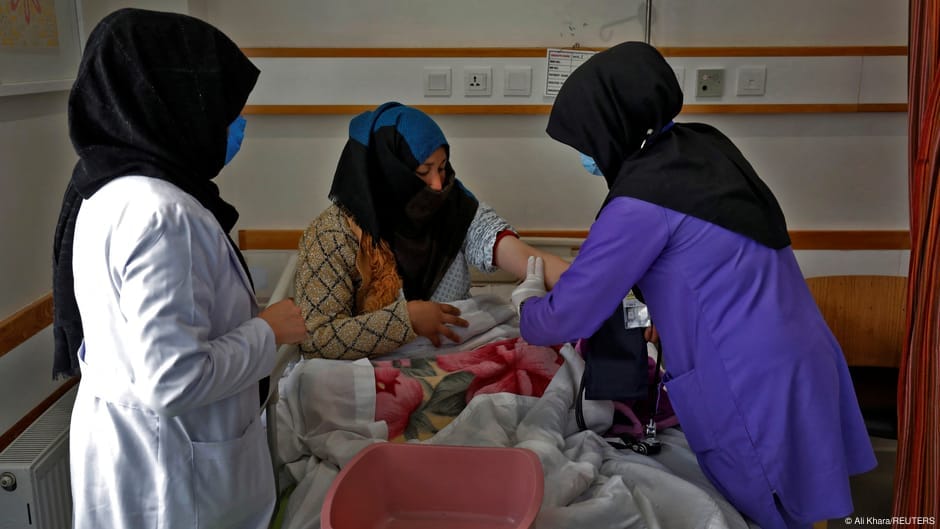
A new United Nations report highlights how Taliban regulations barring male doctors from treating female patients are severely restricting access to healthcare for women across Afghanistan.
 🕯️Democracy & Rights
Photo: DW English
Key points
- Taliban restrictions bar male doctors from treating female patients
- UN reports severe healthcare access crises for Afghan women
- Legal experts classify the system as institutionalized gender oppression
The United Nations has issued a stark warning regarding the state of women's healthcare in Taliban-ruled Afghanistan, highlighting how strict regulations prohibiting male doctors from treating female patients have left countless women without essential medical care. The findings, documented by the UN Assistance Mission in Afghanistan, detail a growing number of pregnant women unable to secure life-saving assistance, exacerbating a humanitarian crisis driven by both domestic edicts and declining international aid.
Since reclaiming power in August 2021, the Taliban administration has enacted over 100 decrees curtailing the freedoms of women and girls, including bans on secondary and higher education as well as most forms of employment. Recent enforcement by the Ministry for the Promotion of Virtue and Prevention of Vice has further tightened access to medical facilities. Legal scholars and human rights advocates have increasingly characterized these sweeping measures as an institutionalized system of oppression rather than isolated incidents of persecution.
Tamana Zaryab Paryani, an exiled Afghan women's rights activist who recently addressed the UN Security Council, condemned the restrictions as gender apartheid. International experts warn that the erosion of rights threatens to accelerate maternal mortality rates and reverse generations of social progress while testing the global community's resolve to defend universal human rights standards against authoritarian erosion.
The stakes
Afghan women and girls face deteriorating health outcomes, rising child marriage rates, and total exclusion from public life, while the international community risks validating a dangerous precedent for gender-based oppression by failing to mount a unified diplomatic and humanitarian response.
Two readings
- Supporters of the administration argue that these domestic policies reflect religious governance and traditional cultural norms that fall entirely within national sovereignty.
- Critics and human rights organizations maintain that the systematic exclusion of women constitutes gender apartheid under international law and demands urgent global intervention.
Source DW English — dw.com/en/in-afghanistan-no-female-doctor-often-means-no-treatment-… ↗
Read next
 ✒️Opinion & Analysis
ICJ Rules Myanmar Military Committed Genocide Against Rohingya
The International Court of Justice has found Myanmar's military guilty of genocide against the Rohingya, a ruling that damages the international standing of both Aung San…
 🛡️War & Security
Ukraine Restricts Media Coverage of Infrastructure Damage Amid Russian Strikes
President Volodymyr Zelenskyy has issued a decree prohibiting media outlets from reporting on the impact of Russian strikes against critical infrastructure and the status…
 🏮China & Taiwan
Beijing Reaffirms Reunification Stance Following Taiwan Local Election Results
China’s Taiwan Affairs Office declared that the island’s reunification with the mainland remains inevitable, despite recent shifts in Taiwan's local political landscape.
 🇪🇺Europe
US Air Force Repels Unauthorized Drone Incursion at RAF Lakenheath
U.S. security forces at a British air base successfully countered a group of unidentified drones, amid growing concerns over potential foreign state involvement.
 ⚖️Law & Policy
India Government Proposes 50% Increase in Parliamentary Seats and Women's Reservation
The Indian government plans to introduce legislation to expand the Lok Sabha to 850 seats and mandate a 33% reservation for women in legislative bodies.
 ⚖️Law & Policy
India’s ruling alliance nears two-thirds majority for sweeping parliamentary expansion and delimitation bills
The National Democratic Alliance is nearing a two-thirds majority in Parliament to pass landmark legislation expanding the Lok Sabha by 50 percent and implementing a 33 p…