Saudi Arabia's Execution Resumption Sparks Outcry Over Human Rights and Broken Pledges
Human rights advocates have renewed criticism of Saudi Arabia's capital punishment policies following the execution of individuals despite prior governmental assurances. Activists point to broken moratorium promises and systemic fair-trial violations.
 🕯️Democracy & Rights
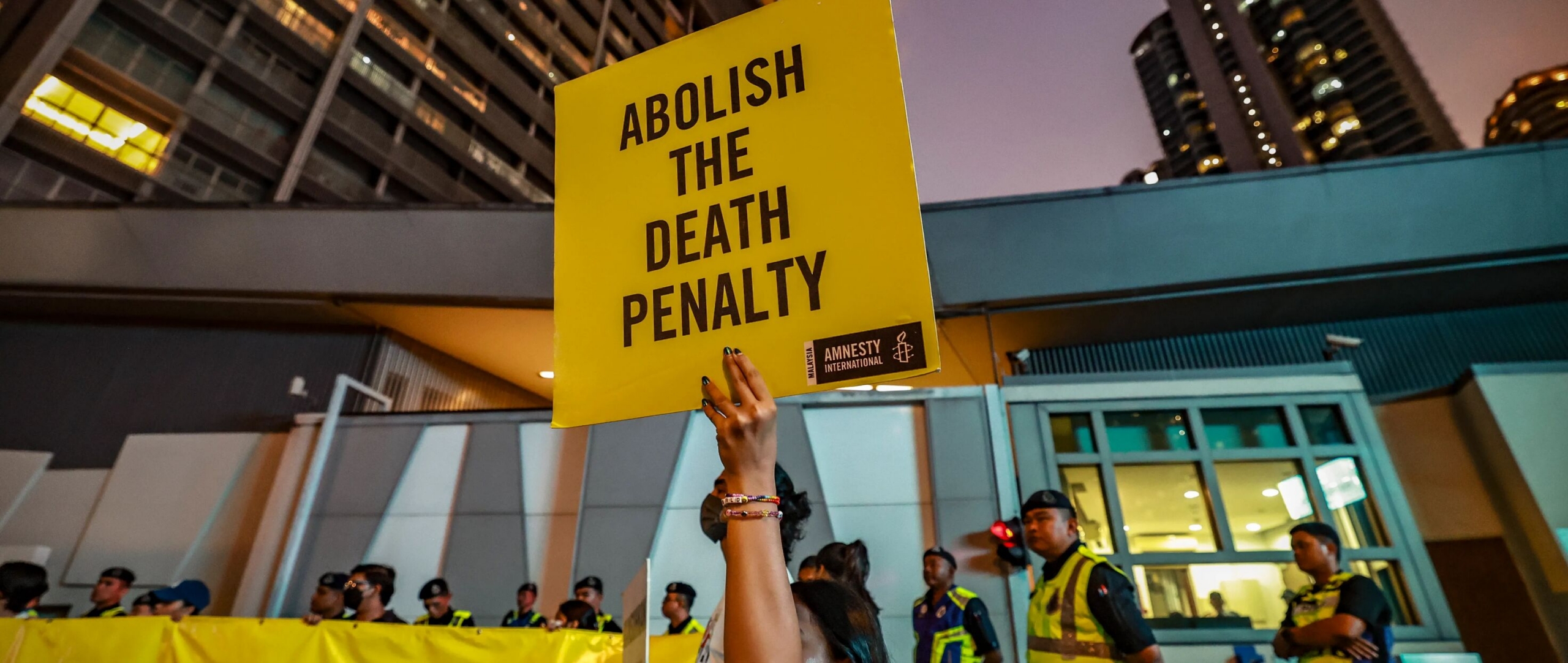
Photo: Amnesty
Key points
- Human rights organizations document systemic fair-trial violations and executions for offenses committed in youth.
- The resumption of capital punishment for drug offenses shattered hopes raised by prior governmental moratoriums.
- Families of executed individuals face ongoing grief, lack of information regarding remains, and widespread fear.
Human rights defenders are intensifying scrutiny on Saudi Arabia's capital punishment regime following years of documented executions that activists argue violate international standards and due process. Campaigners working with exiled organizations have highlighted numerous cases involving individuals sentenced for offenses allegedly committed during their youth, as well as those facing trial for political protest and drug-related charges. According to documentation compiled by human rights monitors, judicial proceedings frequently lack transparency, and families are often left without information regarding the final disposition of their relatives or the return of remains.
The plight of defendants such as Jordanian national Hussein Abu al-Khair has drawn international attention to the Kingdom's penal practices. Advocacy groups spent years engaging with bodies including the United Nations and the European Parliament to highlight alleged fair-trial violations in his case. Hopes were initially raised when authorities announced a temporary halt to capital punishment for drug-related offenses, leading families and campaigners to believe that executions in such categories had ceased permanently.
However, the subsequent resumption of capital punishment for narcotics offenses shattered those expectations. The return to executions left families and civil society organizations grappling with profound grief and renewed fear. Critics emphasize that despite official human rights commissions and stated commitments to legal reform, the continued application of the death penalty suppresses dissent and instills deep apprehension among citizens and residents alike.
The stakes
The credibility of official legal reforms in Saudi Arabia hangs in the balance, as international watchdogs weigh government pledges against actual judicial practices. While authorities seek to present a modernizing image through institutional announcements, human rights organizations argue that ongoing executions undermine diplomatic engagement and leave affected families with lasting trauma and unanswered questions.
Two readings
- Supporters view state security measures and capital punishment as sovereign prerogatives necessary for maintaining public order and enforcing strict anti-narcotics and anti-terrorism laws.
- Critics argue that arbitrary sentencing, the execution of individuals for juvenile offenses, and broken moratorium promises expose systemic flaws in the judiciary and severe human rights abuses.
Source Amnesty — amnesty.org/en/latest/news/2026/11/i-have-never-gotten-used-to-the-… ↗
Read next
 ✒️Opinion & Analysis
ICJ Rules Myanmar Military Committed Genocide Against Rohingya
The International Court of Justice has found Myanmar's military guilty of genocide against the Rohingya, a ruling that damages the international standing of both Aung San…
 🛡️War & Security
Ukraine Restricts Media Coverage of Infrastructure Damage Amid Russian Strikes
President Volodymyr Zelenskyy has issued a decree prohibiting media outlets from reporting on the impact of Russian strikes against critical infrastructure and the status…
 🏮China & Taiwan
Beijing Reaffirms Reunification Stance Following Taiwan Local Election Results
China’s Taiwan Affairs Office declared that the island’s reunification with the mainland remains inevitable, despite recent shifts in Taiwan's local political landscape.
 🇪🇺Europe
US Air Force Repels Unauthorized Drone Incursion at RAF Lakenheath
U.S. security forces at a British air base successfully countered a group of unidentified drones, amid growing concerns over potential foreign state involvement.
 ⚖️Law & Policy
India Government Proposes 50% Increase in Parliamentary Seats and Women's Reservation
The Indian government plans to introduce legislation to expand the Lok Sabha to 850 seats and mandate a 33% reservation for women in legislative bodies.
 ⚖️Law & Policy
India’s ruling alliance nears two-thirds majority for sweeping parliamentary expansion and delimitation bills
The National Democratic Alliance is nearing a two-thirds majority in Parliament to pass landmark legislation expanding the Lok Sabha by 50 percent and implementing a 33 p…