Filipino Cinema and Historical Politics Intersect in Golf Club Critique
Rafael Manuel's debut film 'Filipiñana' uses a luxury Manila golf course to examine the enduring legacy of American imperialism and structural inequality in the Philippines.
 🕯️Democracy & Rights
Photo: The Nation
Key points
- Rafael Manuel's film 'Filipiñana' critiques American imperialism through the lens of golf.
- Golf was introduced to the Philippines during US colonial rule as an exclusive recreational export.
- The film contrasts luxury club amenities with widespread economic inequality and labor struggles.
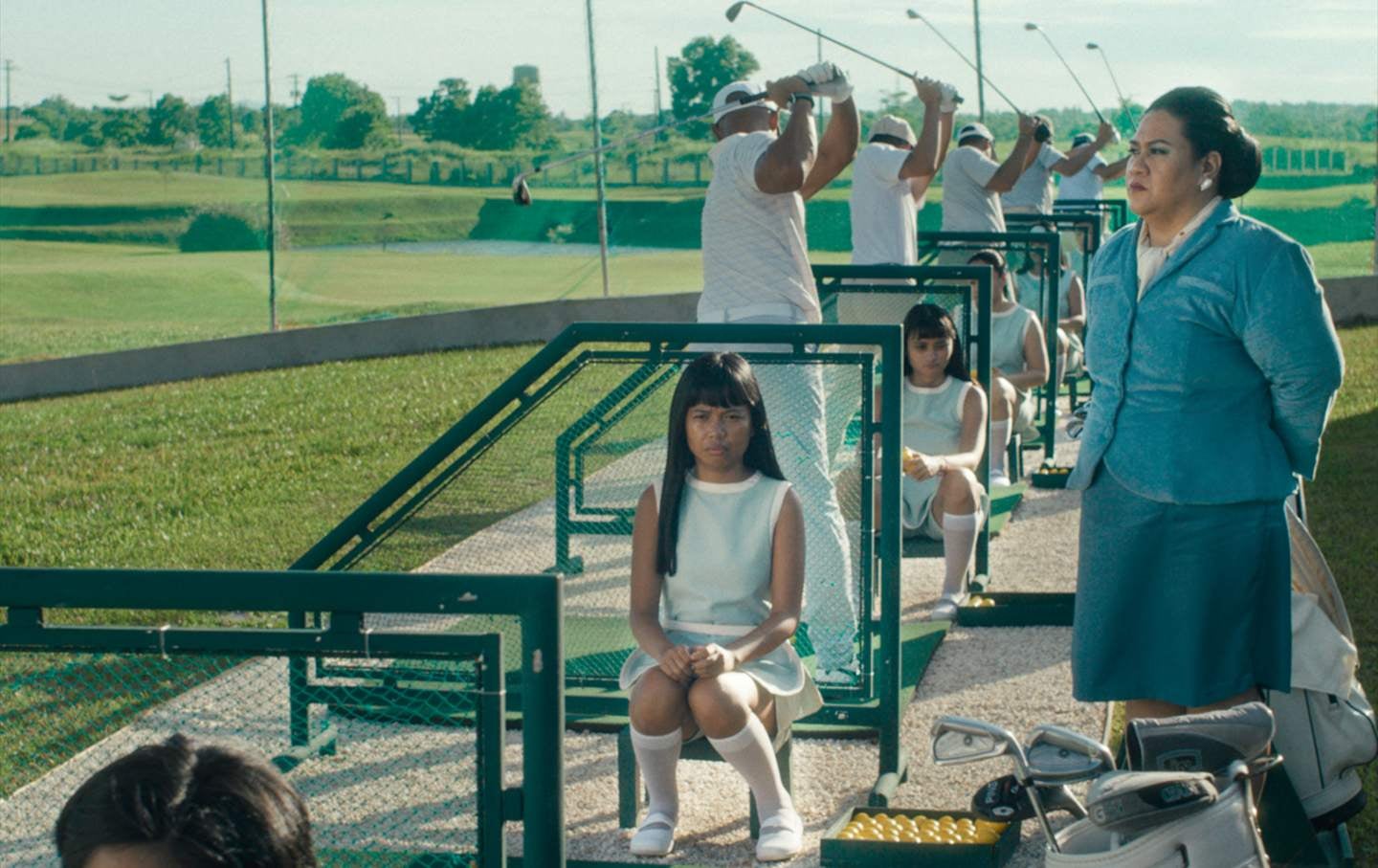
Director Rafael Manuel's debut feature film, Filipiñana, examines the historical footprint of American colonialism in the Philippines through the lens of a luxury golf club. Set against the backdrop of an elite Manila course, the narrative follows Isabel, a young 'tee girl' whose labor exposes the stark socioeconomic disparities embedded in the country's landscape. The film contrasts the lush, heavily watered fairways with the realities faced by ordinary citizens outside the club gates, utilizing the sport's colonial origins as a critical framework for discussing modern structural inequality.
Introduced to the islands over a century ago during the American colonial period, golf was established in elevated retreats like Baguio's Camp John Hay, which colonial governors developed as a temperate escape from tropical heat. While military campaigns suppressed local resistance during the early twentieth century, cultural and recreational exports like golf quietly molded colonial infrastructure. Today, the sport remains an exclusive domain catering primarily to international visitors and the domestic elite, persisting in a nation where median urban incomes contrast sharply with high recreational costs.
Filipiñana highlights these ongoing class divisions by documenting the physical risks and subservient labor required of service staff on the greens. Through deliberate framing and deliberate pacing, the cinematic work frames the manicured lawns not merely as leisure grounds, but as enduring monuments to historical hegemony and systemic stratification.
The stakes
Cultural critiques of this nature test how historical narratives are preserved and consumed in post-colonial societies, potentially shifting public discourse surrounding foreign influence, labor rights, and economic disparity. If such artistic works gain broader cultural traction, they may encourage deeper scrutiny of elite spaces and historical monuments that glorify colonial administration.
Two readings
- Supporters read the film as a vital, visually striking critique of American imperialism and contemporary class division in the Philippines.
- Critics might argue that artistic portrayals risk reducing complex socio-economic issues into overly stylized cinematic metaphors.
Source The Nation — thenation.com/article/world/golf-in-the-philippines-american-imperi… ↗
Read next
 ✒️Opinion & Analysis
ICJ Rules Myanmar Military Committed Genocide Against Rohingya
The International Court of Justice has found Myanmar's military guilty of genocide against the Rohingya, a ruling that damages the international standing of both Aung San…
 🛡️War & Security
Ukraine Restricts Media Coverage of Infrastructure Damage Amid Russian Strikes
President Volodymyr Zelenskyy has issued a decree prohibiting media outlets from reporting on the impact of Russian strikes against critical infrastructure and the status…
 🏮China & Taiwan
Beijing Reaffirms Reunification Stance Following Taiwan Local Election Results
China’s Taiwan Affairs Office declared that the island’s reunification with the mainland remains inevitable, despite recent shifts in Taiwan's local political landscape.
 🇪🇺Europe
US Air Force Repels Unauthorized Drone Incursion at RAF Lakenheath
U.S. security forces at a British air base successfully countered a group of unidentified drones, amid growing concerns over potential foreign state involvement.
 ⚖️Law & Policy
India Government Proposes 50% Increase in Parliamentary Seats and Women's Reservation
The Indian government plans to introduce legislation to expand the Lok Sabha to 850 seats and mandate a 33% reservation for women in legislative bodies.
 ⚖️Law & Policy
India’s ruling alliance nears two-thirds majority for sweeping parliamentary expansion and delimitation bills
The National Democratic Alliance is nearing a two-thirds majority in Parliament to pass landmark legislation expanding the Lok Sabha by 50 percent and implementing a 33 p…