ECCAS Formalizes Rwanda’s Withdrawal Following Long-Standing Regional Tensions
The Economic Community of Central African States has officially acknowledged Rwanda's departure from the bloc, concluding a process initiated by Kigali in June 2025.
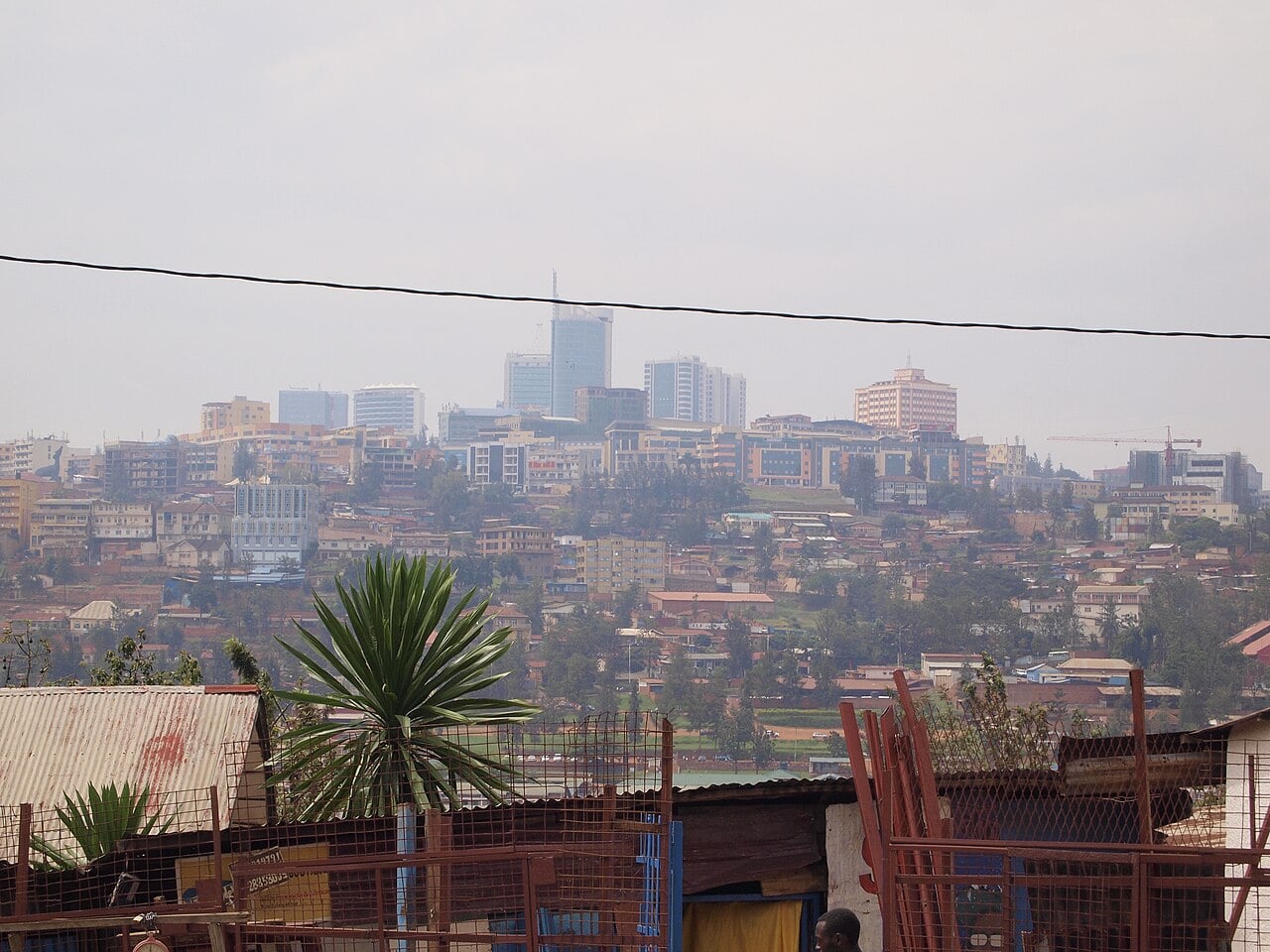 🕯️Democracy & Rights
Photo: Rio Times
Key points
- ECCAS formally accepts Rwanda's withdrawal from the regional bloc.
- Rwanda cited bias and the manipulation of the organization by the DRC as reasons for its departure.
- Regional leaders continue to demand adherence to UN resolutions regarding the conflict in eastern Congo.
Leaders of the Economic Community of Central African States (ECCAS) formally acknowledged Rwanda’s withdrawal from the ten-member regional bloc during a summit held on November 27, 2026, in Sipopo, Equatorial Guinea. The organization has directed its Commission to initiate the necessary legal, administrative, and financial procedures to finalize the exit.
Rwanda’s decision to depart stems from a diplomatic dispute that escalated in June 2025, when the Rwandan government accused the bloc of being manipulated by the Democratic Republic of Congo (DRC). Specifically, Kigali protested the postponement of its scheduled turn at the organization’s rotating chair, characterizing the move as an act of bias favoring Congolese interests. Rwanda had previously expressed grievances regarding its exclusion from summits held under Congolese leadership.
Conversely, the DRC has long accused Rwanda of providing military support to the M23 rebel group, which remains active in eastern Congo. During the recent summit, regional leaders reiterated calls for both nations to adhere to United Nations Security Council Resolution 2773, which mandates the cessation of hostilities, the withdrawal of M23 forces, and the removal of Rwandan troops from Congolese territory.
The stakes
The formalization of Rwanda’s exit marks a significant shift in regional diplomacy, potentially isolating Kigali from Central African policy-making forums. While the move reflects deep-seated political animosity between Rwanda and the DRC, it does not immediately alter the security landscape in eastern Congo, as the bloc lacks the enforcement mechanisms to compel a change in the ongoing conflict.
Two readings
- Supporters of the withdrawal argue that Rwanda is protecting its sovereignty by distancing itself from an organization they view as compromised by Congolese influence.
- Critics contend that the exit undermines regional cooperation and signals a retreat from multilateral efforts to resolve the humanitarian and security crises in the Great Lakes region.
Source Rio Times — riotimesonline.com/rwanda-exits-central-african-bloc-eccas/ ↗
Read next
 ✒️Opinion & Analysis
ICJ Rules Myanmar Military Committed Genocide Against Rohingya
The International Court of Justice has found Myanmar's military guilty of genocide against the Rohingya, a ruling that damages the international standing of both Aung San…
 🛡️War & Security
Ukraine Restricts Media Coverage of Infrastructure Damage Amid Russian Strikes
President Volodymyr Zelenskyy has issued a decree prohibiting media outlets from reporting on the impact of Russian strikes against critical infrastructure and the status…
 🏮China & Taiwan
Beijing Reaffirms Reunification Stance Following Taiwan Local Election Results
China’s Taiwan Affairs Office declared that the island’s reunification with the mainland remains inevitable, despite recent shifts in Taiwan's local political landscape.
 🇪🇺Europe
US Air Force Repels Unauthorized Drone Incursion at RAF Lakenheath
U.S. security forces at a British air base successfully countered a group of unidentified drones, amid growing concerns over potential foreign state involvement.
 ⚖️Law & Policy
India Government Proposes 50% Increase in Parliamentary Seats and Women's Reservation
The Indian government plans to introduce legislation to expand the Lok Sabha to 850 seats and mandate a 33% reservation for women in legislative bodies.
 ⚖️Law & Policy
India’s ruling alliance nears two-thirds majority for sweeping parliamentary expansion and delimitation bills
The National Democratic Alliance is nearing a two-thirds majority in Parliament to pass landmark legislation expanding the Lok Sabha by 50 percent and implementing a 33 p…