Sanjit 'Bunker' Roy, pioneering grassroots activist and Barefoot College founder, dies at 81
Social activist Sanjit 'Bunker' Roy, who founded the Barefoot College in Rajasthan to empower rural communities and train illiterate women as solar engineers, has died at the age of 81.
 🕯️Democracy & Rights
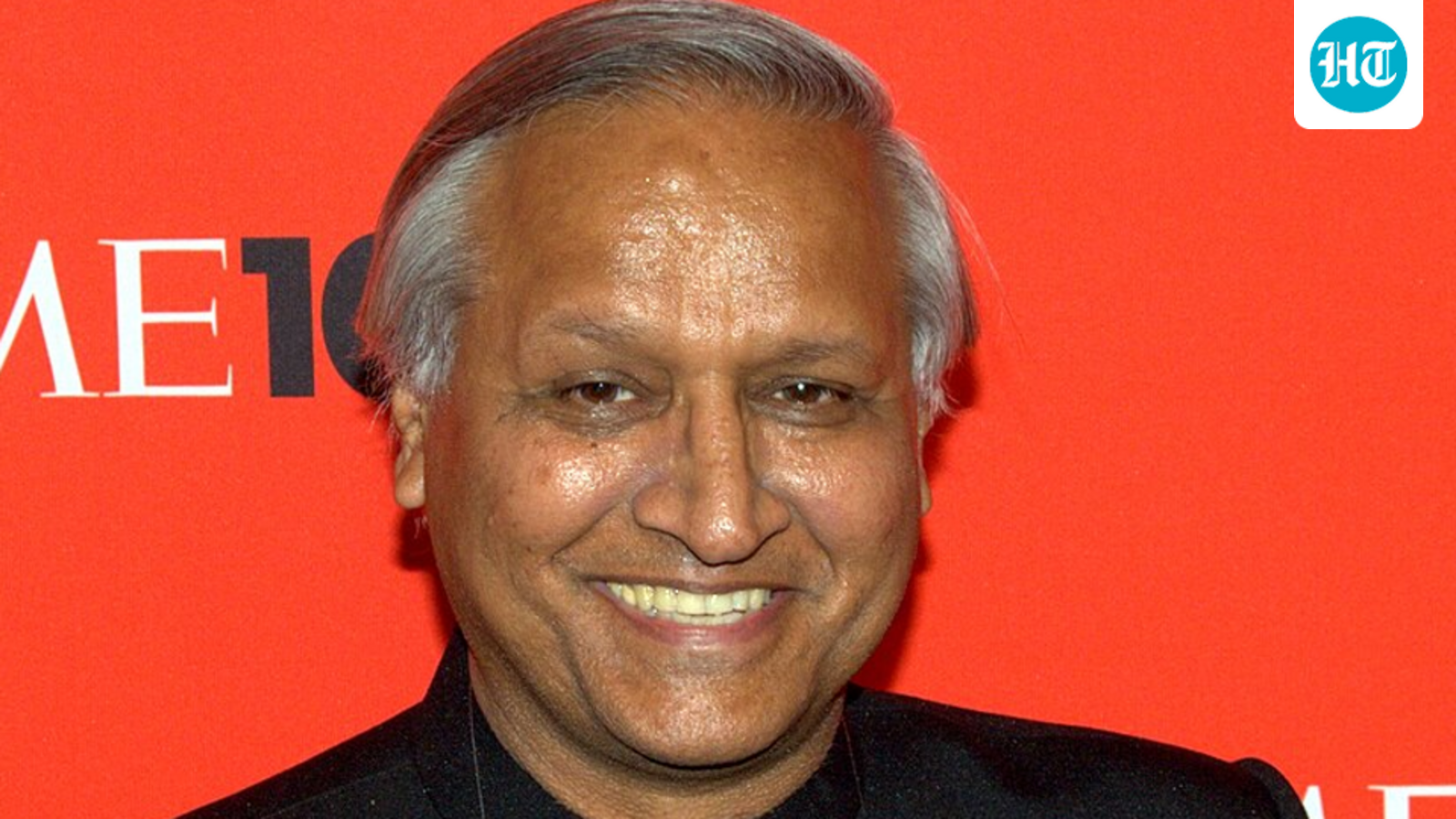
Photo: Hindustan Times
Key points
- Sanjit 'Bunker' Roy passed away at 81 in Tilonia, Rajasthan.
- He founded the Barefoot College and trained rural women as solar engineers.
- Tributes highlighted his adherence to Gandhian principles of rural self-reliance.
Social activist Sanjit “Bunker” Roy, founder of the Barefoot College and a globally recognized pioneer in grassroots development, passed away on Tuesday at the age of 81 in Tilonia, Rajasthan. Born in West Bengal in 1945 and educated at the Doon School and St Stephen's College, Roy relocated to rural Rajasthan in 1972 to address acute water and irrigation challenges, establishing the Social Work and Research Centre.
Rejecting conventional urban-centric approaches to poverty alleviation, Roy dedicated his life to community-led innovation, focusing particularly on marginalized rural populations and women. His most celebrated initiative, the Barefoot College, trained semi-literate and illiterate women from remote regions to become solar engineers—popularly known as 'Solar Mamas'—who subsequently returned to electrify their off-grid villages.
Roy's bottom-up methodology earned widespread international acclaim, including a ranking on TIME magazine's list of the 100 most influential people in the world in 2010, and India's Padma Shri civilian honor in 1986. Following his death, political leaders including former Rajasthan chief minister Ashok Gehlot and Indian National Congress lawmaker Shashi Tharoor paid tribute, praising his lifelong commitment to Mahatma Gandhi's principles of rural self-reliance, sustainable development, and grassroots empowerment.
The stakes
Roy's passing marks the loss of a towering figure in alternative development policy, raising questions about the future institutional sustainability of the Barefoot College model. While his decentralized approach has influenced global aid organizations and rural policy frameworks across the developing world, the continued viability of grassroots-led electrification and poverty reduction without his personal stewardship remains a critical test for his successors and the communities he championed.
Two readings
- Supporters read the story as the celebration of a visionary humanitarian whose practical, dignity-driven model bypassed bureaucratic hurdles to permanently transform rural self-reliance and education.
- Critics read the story as a reflection of persistent systemic failures by formal state institutions to provide basic infrastructure, leaving marginalized rural populations dependent on extraordinary individual philanthropy and localized grassroots interventions.
Source Hindustan Times — hindustantimes.com/india-news/sanjit-bunker-roy-who-redefined-fight… ↗
Read next
 ✒️Opinion & Analysis
ICJ Rules Myanmar Military Committed Genocide Against Rohingya
The International Court of Justice has found Myanmar's military guilty of genocide against the Rohingya, a ruling that damages the international standing of both Aung San…
 🛡️War & Security
Ukraine Restricts Media Coverage of Infrastructure Damage Amid Russian Strikes
President Volodymyr Zelenskyy has issued a decree prohibiting media outlets from reporting on the impact of Russian strikes against critical infrastructure and the status…
 🏮China & Taiwan
Beijing Reaffirms Reunification Stance Following Taiwan Local Election Results
China’s Taiwan Affairs Office declared that the island’s reunification with the mainland remains inevitable, despite recent shifts in Taiwan's local political landscape.
 🇪🇺Europe
US Air Force Repels Unauthorized Drone Incursion at RAF Lakenheath
U.S. security forces at a British air base successfully countered a group of unidentified drones, amid growing concerns over potential foreign state involvement.
 ⚖️Law & Policy
India Government Proposes 50% Increase in Parliamentary Seats and Women's Reservation
The Indian government plans to introduce legislation to expand the Lok Sabha to 850 seats and mandate a 33% reservation for women in legislative bodies.
 ⚖️Law & Policy
India’s ruling alliance nears two-thirds majority for sweeping parliamentary expansion and delimitation bills
The National Democratic Alliance is nearing a two-thirds majority in Parliament to pass landmark legislation expanding the Lok Sabha by 50 percent and implementing a 33 p…