Russia Rejects European Participation in Peace Talks Without Policy Shift
The Kremlin has dismissed suggestions that it is ready to include European nations in peace negotiations, demanding an end to military aid for Ukraine as a prerequisite.
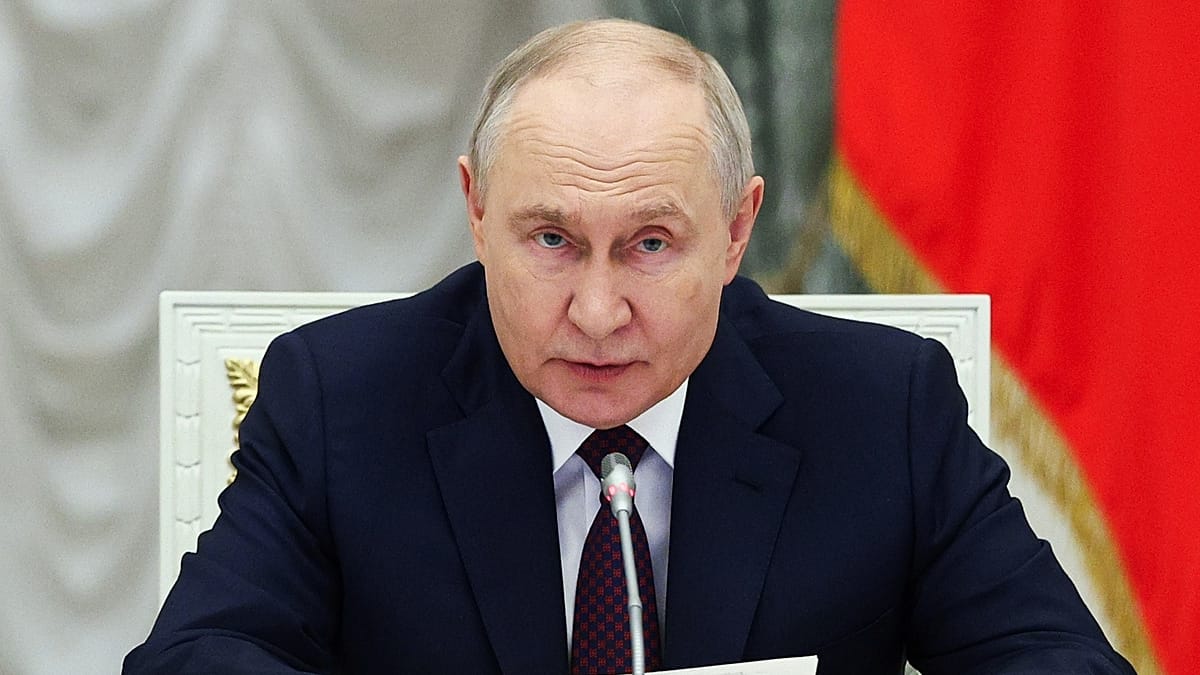 🇪🇺Europe
Photo: Euronews
Key points
- Russia demands an end to European military aid to Ukraine before joining multilateral talks.
- U.S. envoys Witkoff and Kushner are pushing for European inclusion in the peace process.
- Putin seeks a revision of European security architecture, a move European leaders view with suspicion.
The Kremlin has downplayed assertions by U.S. special envoys Steve Witkoff and Jared Kushner that Russia is prepared to integrate European representatives into peace negotiations regarding the ongoing conflict in Ukraine. While the U.S. delegation, following discussions in Moscow, expressed optimism about a future multilateral format, Russian officials maintained a firm stance that European involvement remains contingent upon a fundamental shift in policy.
Yuri Ushakov, an aide to President Vladimir Putin, stated that European nations must choose between peace and war, characterizing their continued military support for Kyiv as direct participation in the conflict. Moscow has consistently argued that European weapons transfers make these nations active stakeholders rather than neutral mediators. Consequently, the Kremlin has signaled that it will not engage with European partners until they cease military assistance to Ukraine.
President Putin further indicated that his primary objective in any potential dialogue is the comprehensive revision of European security architecture. He suggested that such a framework should align with proposals to address security instruments across the continent, an ambition that European leaders view as an attempt to secure veto power over NATO expansion. Meanwhile, European officials in Dublin have reaffirmed that any discussions regarding security architecture must involve European representation and follow a cessation of hostilities.
The stakes
The impasse highlights a significant divide in diplomatic strategy: the U.S. envoys seek to broaden the peace process to include regional stakeholders, while Russia aims to leverage security architecture talks to weaken European defense alliances. If the current deadlock persists, the conflict will likely continue without a unified diplomatic framework, leaving Ukraine reliant on individual European military support while Russia maintains its demand for a total cessation of Western aid as a condition for any formal negotiations.
Two readings
- Supporters of the U.S. diplomatic effort argue that involving European powers is essential for long-term stability and that discussing security architecture provides a necessary incentive for Russia to end the war.
- Critics within the European leadership contend that Russia’s demands for a new security architecture are a strategic ploy to undermine NATO and that negotiating under these conditions would reward Russian aggression.
Source Euronews — euronews.com/2026/11/12/russia-plays-down-peace-talks-with-europe-a… ↗
Read next
 ✒️Opinion & Analysis
ICJ Rules Myanmar Military Committed Genocide Against Rohingya
The International Court of Justice has found Myanmar's military guilty of genocide against the Rohingya, a ruling that damages the international standing of both Aung San…
 🕯️Democracy & Rights
Chinese teachers face rising parental pressure over personal life choices
Chinese educators are encountering a surge in unreasonable demands from parents, including complaints regarding teachers' pregnancy and maternity leave.
 🛡️War & Security
Ukraine Restricts Media Coverage of Infrastructure Damage Amid Russian Strikes
President Volodymyr Zelenskyy has issued a decree prohibiting media outlets from reporting on the impact of Russian strikes against critical infrastructure and the status…
 🏮China & Taiwan
Beijing Reaffirms Reunification Stance Following Taiwan Local Election Results
China’s Taiwan Affairs Office declared that the island’s reunification with the mainland remains inevitable, despite recent shifts in Taiwan's local political landscape.
 ⚖️Law & Policy
India Government Proposes 50% Increase in Parliamentary Seats and Women's Reservation
The Indian government plans to introduce legislation to expand the Lok Sabha to 850 seats and mandate a 33% reservation for women in legislative bodies.
 ⚖️Law & Policy
India’s ruling alliance nears two-thirds majority for sweeping parliamentary expansion and delimitation bills
The National Democratic Alliance is nearing a two-thirds majority in Parliament to pass landmark legislation expanding the Lok Sabha by 50 percent and implementing a 33 p…