European Commission Implements Hiring Quotas to Address Geographic Imbalance
The European Commission has introduced a new HR framework to address significant staffing gaps from underrepresented member states within its civil service. The policy mandates that hiring managers interview at least one candidate from these nations, even as application surges from Southern Europe complicate merit-based recruitment.
 🇪🇺Europe
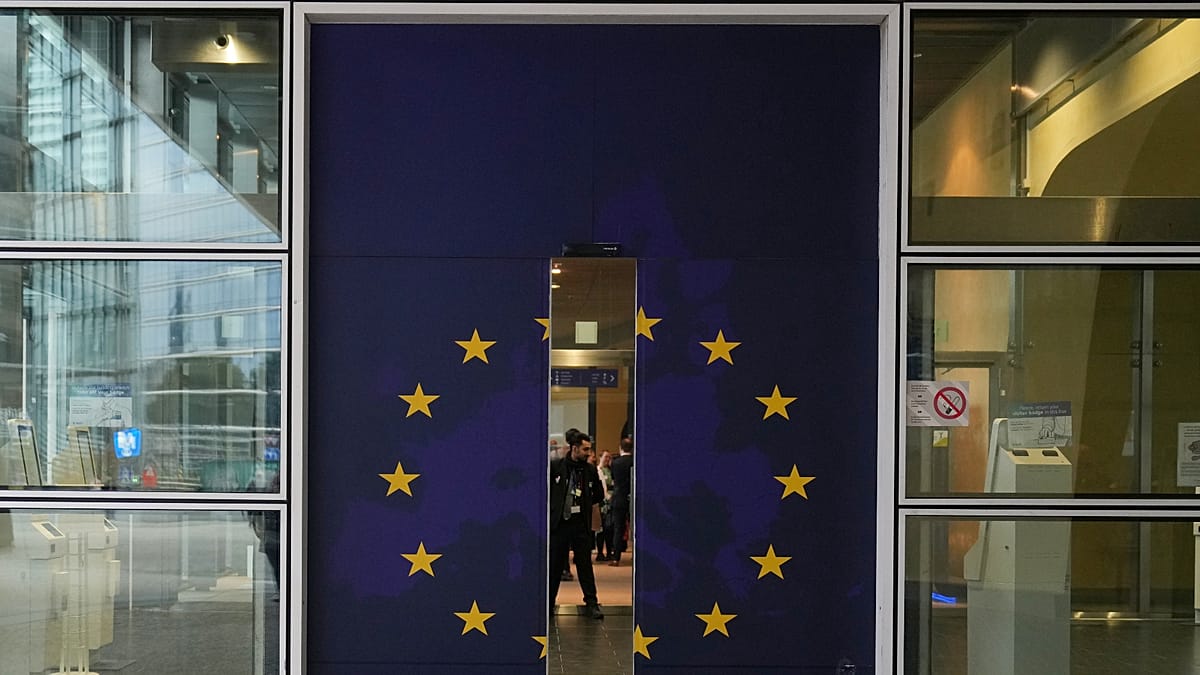
Photo: Euronews
Key points
- New EU HR framework mandates interviews for candidates from 15 underrepresented nations.
- Germany and France currently fall well below their official EU staffing benchmarks.
- A massive influx of Italian applicants threatens to skew the merit-based selection process.
The European Commission has launched a strategic human resources framework for 2025 aimed at correcting severe geographical imbalances within the European Union’s permanent civil service. Under the new mandate, hiring managers are legally required to invite at least one candidate from 15 designated underrepresented member states to final job interviews, provided those individuals have successfully cleared the European Personnel Selection Office (EPSO) generalist examinations.
The initiative arrives as key member states face significant staffing deficits; currently, German and French representation within the EU bureaucracy sits at 64% and 73% of established benchmarks, respectively. Furthermore, Germany faces an impending administrative challenge, with 16% of its active official posts expected to be vacated due to a wave of upcoming retirements.
However, the effort to diversify the workforce faces a major statistical hurdle. Recent registration data revealed a massive surge in interest from Italy, which accounted for nearly 80,000 of the 175,000 total applicants for the latest recruitment cycle. Because the EPSO system relies on blind, merit-based testing, the high volume of Italian applicants threatens to dominate the reserve lists, potentially overshadowing the Commission's attempts to boost representation from other regions.
The stakes
The success of this framework determines whether the EU can maintain a balanced, pan-European administrative identity or if it will see a demographic shift toward Southern European dominance. If the policy fails, the Commission risks losing institutional legitimacy and regional expertise; if it succeeds, it may set a precedent for using quotas to manage the composition of international civil services.
Two readings
- Supporters argue that mandatory interview quotas are essential to ensure the EU bureaucracy reflects the diversity of its member states and prevents institutional capture by a few nations.
- Critics contend that prioritizing nationality over raw test scores undermines the meritocratic foundation of the EU's recruitment process and could lead to inefficiencies.
Source Euronews — euronews.com/2026/11/09/epso-can-the-eu-fix-its-hiring-imbalance-ta… ↗
Read next
 ✒️Opinion & Analysis
ICJ Rules Myanmar Military Committed Genocide Against Rohingya
The International Court of Justice has found Myanmar's military guilty of genocide against the Rohingya, a ruling that damages the international standing of both Aung San…
 🕯️Democracy & Rights
Chinese teachers face rising parental pressure over personal life choices
Chinese educators are encountering a surge in unreasonable demands from parents, including complaints regarding teachers' pregnancy and maternity leave.
 🛡️War & Security
Ukraine Restricts Media Coverage of Infrastructure Damage Amid Russian Strikes
President Volodymyr Zelenskyy has issued a decree prohibiting media outlets from reporting on the impact of Russian strikes against critical infrastructure and the status…
 🏮China & Taiwan
Beijing Reaffirms Reunification Stance Following Taiwan Local Election Results
China’s Taiwan Affairs Office declared that the island’s reunification with the mainland remains inevitable, despite recent shifts in Taiwan's local political landscape.
 ⚖️Law & Policy
India Government Proposes 50% Increase in Parliamentary Seats and Women's Reservation
The Indian government plans to introduce legislation to expand the Lok Sabha to 850 seats and mandate a 33% reservation for women in legislative bodies.
 ⚖️Law & Policy
India’s ruling alliance nears two-thirds majority for sweeping parliamentary expansion and delimitation bills
The National Democratic Alliance is nearing a two-thirds majority in Parliament to pass landmark legislation expanding the Lok Sabha by 50 percent and implementing a 33 p…