Persian Gulf States Reassess Security Strategy Amid Regional Conflict Escalation
Arab nations in the Persian Gulf are shifting their diplomatic approach as the regional conflict exposes the vulnerability of their critical infrastructure to Iranian asymmetric capabilities.
 🇪🇺Europe
Photo: Tehran Times
Key points
- Gulf states pivot to diplomacy after realizing the limits of military confrontation with Iran.
- Asymmetric threats to critical energy infrastructure have undermined regional economic stability plans.
- Regional powers are seeking new mediation channels to manage the crisis independently of U.S. influence.
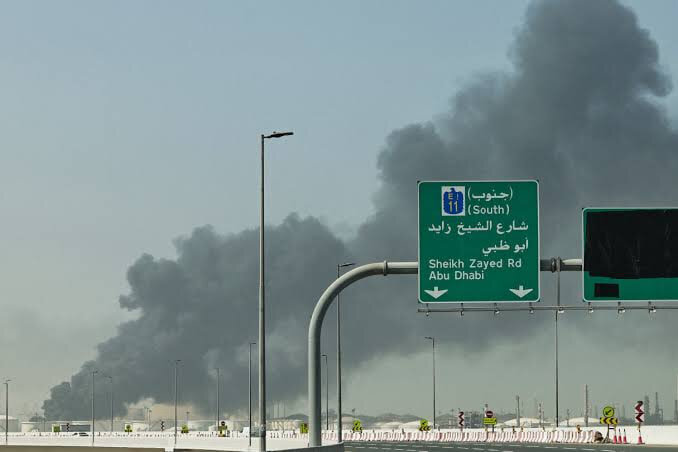
Senior security and military officials from Saudi Arabia have recently engaged in high-level consultations in Tehran, signaling a significant pivot in regional security policy. Following the escalation of hostilities, several Gulf Cooperation Council (PGCC) states have moved away from their initial support for decisive military confrontation against Iran. Having previously encouraged a robust U.S. intervention, these capitals now find their critical energy infrastructure and economic development projects increasingly exposed to the realities of a protracted regional conflict.
The shift follows a period where regional governments underestimated Iran’s asymmetric warfare capabilities, specifically in drone and missile technology. Despite the presence of a U.S. security umbrella, regional states have seen their energy facilities, ports, and pipelines subjected to heightened risks. The conflict has demonstrated that conventional military superiority does not necessarily translate into the protection of vital infrastructure, as the disruption of maritime chokepoints like the Strait of Hormuz remains a persistent threat.
Currently, these nations are attempting to manage the fallout by seeking mediation through regional powers such as Turkey and Pakistan. This diplomatic outreach reflects a growing realization that their previous reliance on U.S.-led military pressure has left them with limited leverage and a precarious security environment. The current situation underscores the difficulty of maintaining economic stability in a region where energy security is inextricably linked to the cooperation of all major actors.
The stakes
The primary risk for Gulf states is the continued erosion of investor confidence and the depletion of sovereign wealth funds required for long-term economic development plans. If these states cannot secure their energy infrastructure, they face sustained economic instability, while a successful diplomatic pivot could potentially restore regional stability at the cost of strained relations with their traditional Western security partners.
Two readings
- Supporters of the new diplomatic outreach argue that direct engagement with Tehran is the only pragmatic path to de-escalation and the protection of sovereign economic interests.
- Critics suggest that such diplomatic maneuvers reflect a dangerous loss of influence and a failure to maintain a unified front against regional threats, potentially emboldening further aggression.
Source Tehran Times — tehrantimes.com/news/532232/Persian-Gulf-s-Security-Conundrum-Arab-… ↗
Read next
 ✒️Opinion & Analysis
ICJ Rules Myanmar Military Committed Genocide Against Rohingya
The International Court of Justice has found Myanmar's military guilty of genocide against the Rohingya, a ruling that damages the international standing of both Aung San…
 🕯️Democracy & Rights
Chinese teachers face rising parental pressure over personal life choices
Chinese educators are encountering a surge in unreasonable demands from parents, including complaints regarding teachers' pregnancy and maternity leave.
 🛡️War & Security
Ukraine Restricts Media Coverage of Infrastructure Damage Amid Russian Strikes
President Volodymyr Zelenskyy has issued a decree prohibiting media outlets from reporting on the impact of Russian strikes against critical infrastructure and the status…
 🏮China & Taiwan
Beijing Reaffirms Reunification Stance Following Taiwan Local Election Results
China’s Taiwan Affairs Office declared that the island’s reunification with the mainland remains inevitable, despite recent shifts in Taiwan's local political landscape.
 ⚖️Law & Policy
India Government Proposes 50% Increase in Parliamentary Seats and Women's Reservation
The Indian government plans to introduce legislation to expand the Lok Sabha to 850 seats and mandate a 33% reservation for women in legislative bodies.
 ⚖️Law & Policy
India’s ruling alliance nears two-thirds majority for sweeping parliamentary expansion and delimitation bills
The National Democratic Alliance is nearing a two-thirds majority in Parliament to pass landmark legislation expanding the Lok Sabha by 50 percent and implementing a 33 p…