European Union Delays Methane Emissions Rules by Two Years in Compromise Deal
European lawmakers and national governments have agreed to postpone strict methane reporting requirements for foreign energy suppliers until 2029, balancing energy security concerns against climate goals.
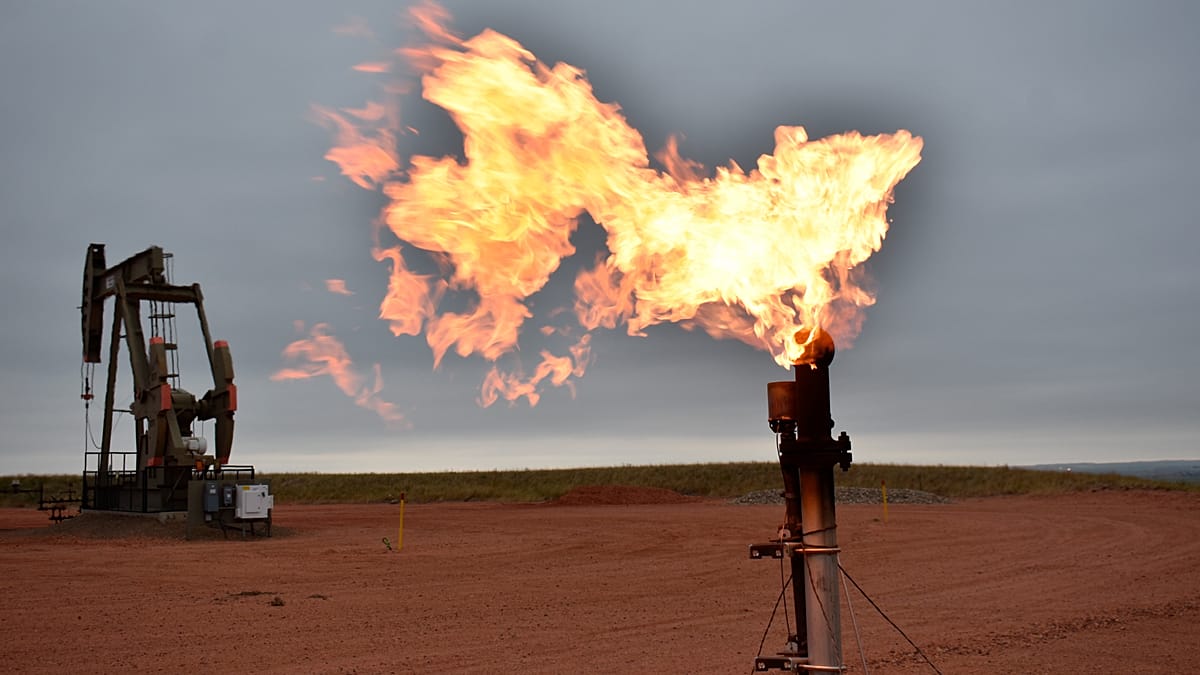 🇪🇺Europe
Photo: Euronews
Key points
- EU delays methane rules for energy imports until 2029
- Decision driven by energy security concerns and Middle East supply risks
- Compromise follows intense political debate between conservatives and green lawmakers
Negotiators from the European Parliament and EU member states have reached an agreement to postpone the implementation of stringent methane emissions rules by two years, moving the deadline to 2029. Originally adopted in 2024, the legislation mandates that foreign suppliers provide detailed disclosures regarding methane emissions linked to the oil, gas, and coal they export to European markets.
The legislative retreat follows intense lobbying from national capitals and industry stakeholders, who pointed to volatile energy markets and potential supply disruptions stemming from the US-Israeli conflict with Iran. Proponents of the delay, led by the center-right European People's Party and various member state governments including France and the Czech Republic, argued that the original timeline threatened industrial competitiveness and risked exacerbating fuel costs during a period of geopolitical instability.
The compromise emerged after a contentious political battle that saw conservatives align with far-right factions in October to push for a three-year postponement. While Thursday's final deal scales that delay back to two years, it still surpasses the initial timeline proposed by the European Commission. Lawmakers supporting the adjustment maintained that practical compliance requirements needed softening to prevent energy shortages, whereas critics asserted that the postponement undermines the bloc's broader environmental commitments.
The stakes
Fossil fuel importers and energy-intensive industries gain immediate regulatory relief and protection against potential supply bottlenecks, while European climate advocates and green policymakers lose ground in the bloc's green transition. If the compromise holds through final legislative adoption, enforcement of transparency measures for foreign oil, gas, and coal will be pushed toward the end of the decade, altering the economic calculus for foreign suppliers exporting to Europe.
Two readings
- Supporters read the decision as a pragmatic and necessary course correction that prioritizes energy security, consumer affordability, and industrial competitiveness amid severe international market pressures.
- Critics read the move as an unwarranted capitulation to the fossil fuel industry that severely damages the European Union's global climate credibility and delays critical transparency on potent greenhouse gases.
Source Euronews — euronews.com/2026/11/19/eu-pushes-methane-rules-back-two-years-in-w… ↗
Read next
 ✒️Opinion & Analysis
ICJ Rules Myanmar Military Committed Genocide Against Rohingya
The International Court of Justice has found Myanmar's military guilty of genocide against the Rohingya, a ruling that damages the international standing of both Aung San…
 🕯️Democracy & Rights
Chinese teachers face rising parental pressure over personal life choices
Chinese educators are encountering a surge in unreasonable demands from parents, including complaints regarding teachers' pregnancy and maternity leave.
 🛡️War & Security
Ukraine Restricts Media Coverage of Infrastructure Damage Amid Russian Strikes
President Volodymyr Zelenskyy has issued a decree prohibiting media outlets from reporting on the impact of Russian strikes against critical infrastructure and the status…
 🏮China & Taiwan
Beijing Reaffirms Reunification Stance Following Taiwan Local Election Results
China’s Taiwan Affairs Office declared that the island’s reunification with the mainland remains inevitable, despite recent shifts in Taiwan's local political landscape.
 ⚖️Law & Policy
India Government Proposes 50% Increase in Parliamentary Seats and Women's Reservation
The Indian government plans to introduce legislation to expand the Lok Sabha to 850 seats and mandate a 33% reservation for women in legislative bodies.
 ⚖️Law & Policy
India’s ruling alliance nears two-thirds majority for sweeping parliamentary expansion and delimitation bills
The National Democratic Alliance is nearing a two-thirds majority in Parliament to pass landmark legislation expanding the Lok Sabha by 50 percent and implementing a 33 p…