French Prime Minister Sébastien Lecornu Announces Minimum Wage Hike and Tax Relief
Prime Minister Sébastien Lecornu has unveiled a 1.6% increase to the French minimum wage alongside new tax incentives for businesses to address ongoing social unrest. The government aims to balance purchasing power improvements with employer concerns through a series of targeted fiscal measures.
 🇪🇺Europe
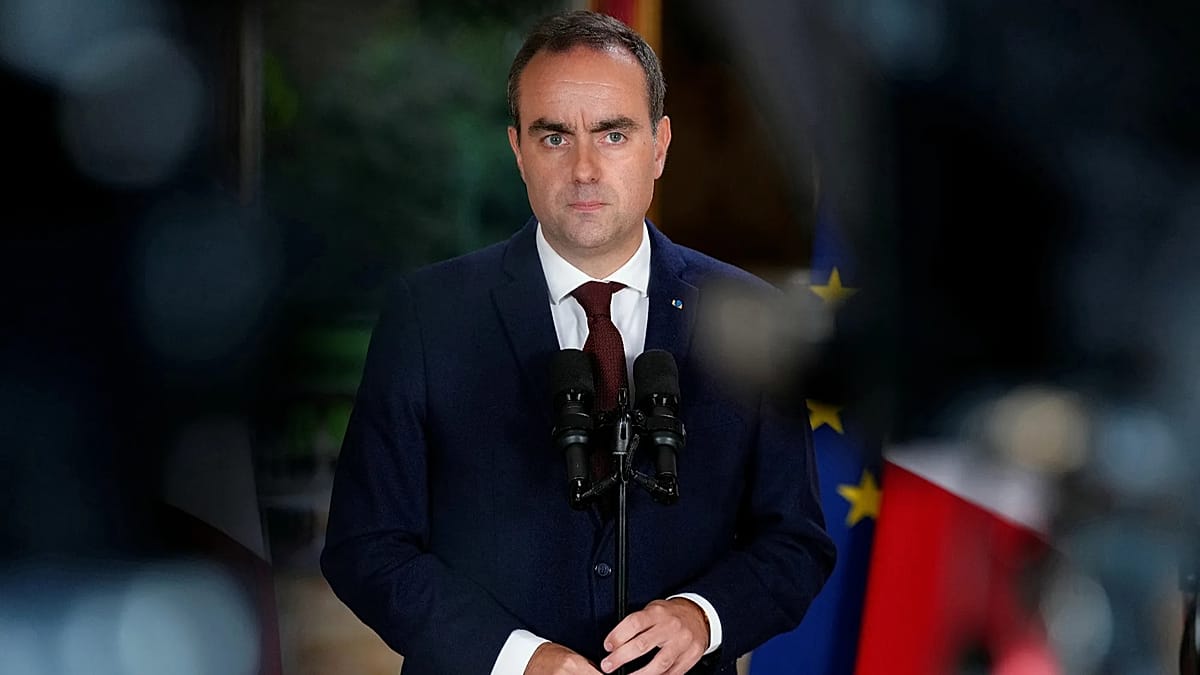
Photo: Euronews
Key points
- Minimum wage increases by 1.6% to 1,502 euros net per month.
- Government introduces tax breaks on overtime and value-sharing bonuses.
- Trade unions remain dissatisfied, with further protests planned for November 17.
French Prime Minister Sébastien Lecornu announced on Monday that the national minimum wage will rise by 1.6%, or 24 euros net per month, effective December 1. This adjustment, which brings the monthly net minimum wage to approximately 1,502 euros, arrives earlier than the originally scheduled date of January 2027. Lecornu characterized the move as the second-largest minimum wage increase seen in France over the past two decades.
To mitigate the impact of rising labor costs on businesses, the government introduced a package of tax relief measures. These include income tax exemptions for overtime pay up to 10,000 euros, the removal of employer contributions for public transport costs, and tax-free status for "value-sharing bonuses." Lecornu stated that these initiatives are intended to foster a broader cycle of wage negotiations across professional sectors.
The announcement follows mounting pressure from trade unions, which have expressed dissatisfaction with the scale of the government's intervention. While the Prime Minister defended his strategy as a focus on "concrete measures" rather than populist gestures, labor leaders remain critical. The CGT has already scheduled a day of strikes and demonstrations for November 17, arguing that the proposed increases fail to address the depth of current social grievances.
The stakes
The government's plan aims to stabilize social tensions and prevent further industrial action by providing immediate relief to low-income workers while protecting corporate margins. If successful, it may dampen the momentum of planned strikes; however, failure to satisfy union demands could lead to prolonged labor unrest and further weaken the administration's political standing.
Two readings
- Supporters view the measures as a pragmatic, fiscally responsible approach that provides tangible relief to workers without overburdening the private sector.
- Critics argue the increase is insufficient to combat the cost-of-living crisis and view the government's response as disconnected from the intensity of public anger.
Source Euronews — euronews.com/2026/11/09/lecornu-announces-24-monthly-rise-in-minimu… ↗
Read next
 ✒️Opinion & Analysis
ICJ Rules Myanmar Military Committed Genocide Against Rohingya
The International Court of Justice has found Myanmar's military guilty of genocide against the Rohingya, a ruling that damages the international standing of both Aung San…
 🕯️Democracy & Rights
Chinese teachers face rising parental pressure over personal life choices
Chinese educators are encountering a surge in unreasonable demands from parents, including complaints regarding teachers' pregnancy and maternity leave.
 🛡️War & Security
Ukraine Restricts Media Coverage of Infrastructure Damage Amid Russian Strikes
President Volodymyr Zelenskyy has issued a decree prohibiting media outlets from reporting on the impact of Russian strikes against critical infrastructure and the status…
 🏮China & Taiwan
Beijing Reaffirms Reunification Stance Following Taiwan Local Election Results
China’s Taiwan Affairs Office declared that the island’s reunification with the mainland remains inevitable, despite recent shifts in Taiwan's local political landscape.
 ⚖️Law & Policy
India Government Proposes 50% Increase in Parliamentary Seats and Women's Reservation
The Indian government plans to introduce legislation to expand the Lok Sabha to 850 seats and mandate a 33% reservation for women in legislative bodies.
 ⚖️Law & Policy
India’s ruling alliance nears two-thirds majority for sweeping parliamentary expansion and delimitation bills
The National Democratic Alliance is nearing a two-thirds majority in Parliament to pass landmark legislation expanding the Lok Sabha by 50 percent and implementing a 33 p…