Nobel Economist Joseph Stiglitz Validates Youth Protests Across Europe
Nobel laureate Joseph Stiglitz has voiced support for widespread youth-led protests across Europe, citing systemic inequality and housing unaffordability as core drivers of civil unrest.
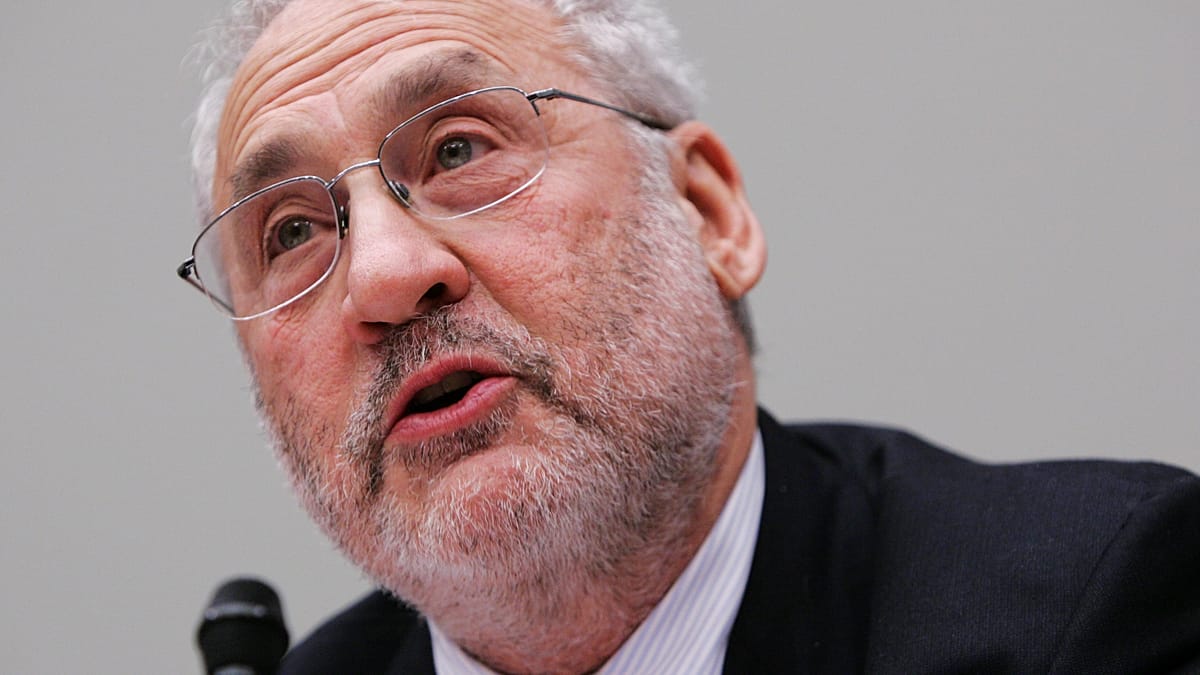 🇪🇺Europe
Photo: Euronews
Key points
- Joseph Stiglitz labels European youth protests as legitimate responses to inequality.
- Demonstrations focus on housing crises, stagnant wages, and crumbling public services.
- Stiglitz proposes a 2% tax on fortunes over €100 million to fund public infrastructure.
Nobel Prize-winning economist Joseph Stiglitz has characterized the recent wave of youth-led protests across Europe as a legitimate response to systemic socioeconomic failures. Demonstrations in France, Italy, Spain, and Denmark have intensified as younger generations express frustration over stagnant wages, the escalating cost of living, and a severe housing crisis that threatens their long-term financial stability.
Stiglitz, a former chief economist at the World Bank, highlighted intergenerational inequality as a primary catalyst for the unrest. He noted that the current generation faces unique anxieties stemming from climate change, the rapid integration of artificial intelligence, and a lack of educational support necessary for modern productivity. In Spain, these tensions recently culminated in a nationwide 24-hour strike, while Italian students have occupied schools to demand improved infrastructure and increased public funding.
To address these grievances, Stiglitz advocates for a shift in fiscal policy, specifically proposing a minimum tax of approximately two percent on fortunes exceeding €100 million. He suggests that such revenue, coordinated at the European Union level, could bolster public services and mitigate the effects of tax avoidance. However, he cautioned that tax reform alone is insufficient, urging governments to modernize pension systems and re-evaluate public spending priorities to better align with contemporary life expectancies and labor demands.
The stakes
If governments fail to address these demands, they risk further political instability and a deepening loss of public trust in democratic institutions. While younger generations stand to gain from increased social spending and housing reform, existing political administrations face the difficult challenge of balancing fiscal constraints with the necessity of preventing widespread social fragmentation.
Two readings
- Supporters view the protests as a necessary democratic awakening against a status quo that prioritizes the wealthy over the basic needs of the future workforce.
- Critics argue that the proposed tax hikes and increased public spending could stifle economic growth and fail to address the underlying structural inefficiencies within European labor and housing markets.
Source Euronews — euronews.com/2026/11/19/nobel-economist-joseph-stiglitz-deems-youth… ↗
Read next
 ✒️Opinion & Analysis
ICJ Rules Myanmar Military Committed Genocide Against Rohingya
The International Court of Justice has found Myanmar's military guilty of genocide against the Rohingya, a ruling that damages the international standing of both Aung San…
 🕯️Democracy & Rights
Chinese teachers face rising parental pressure over personal life choices
Chinese educators are encountering a surge in unreasonable demands from parents, including complaints regarding teachers' pregnancy and maternity leave.
 🛡️War & Security
Ukraine Restricts Media Coverage of Infrastructure Damage Amid Russian Strikes
President Volodymyr Zelenskyy has issued a decree prohibiting media outlets from reporting on the impact of Russian strikes against critical infrastructure and the status…
 🏮China & Taiwan
Beijing Reaffirms Reunification Stance Following Taiwan Local Election Results
China’s Taiwan Affairs Office declared that the island’s reunification with the mainland remains inevitable, despite recent shifts in Taiwan's local political landscape.
 ⚖️Law & Policy
India Government Proposes 50% Increase in Parliamentary Seats and Women's Reservation
The Indian government plans to introduce legislation to expand the Lok Sabha to 850 seats and mandate a 33% reservation for women in legislative bodies.
 ⚖️Law & Policy
India’s ruling alliance nears two-thirds majority for sweeping parliamentary expansion and delimitation bills
The National Democratic Alliance is nearing a two-thirds majority in Parliament to pass landmark legislation expanding the Lok Sabha by 50 percent and implementing a 33 p…