German Chancellor Merz Labels 2008 NATO Decision on Ukraine a Mistake
German Chancellor Friedrich Merz has stated that the failure to admit Ukraine into NATO in 2008 was a strategic error that likely facilitated the current war.
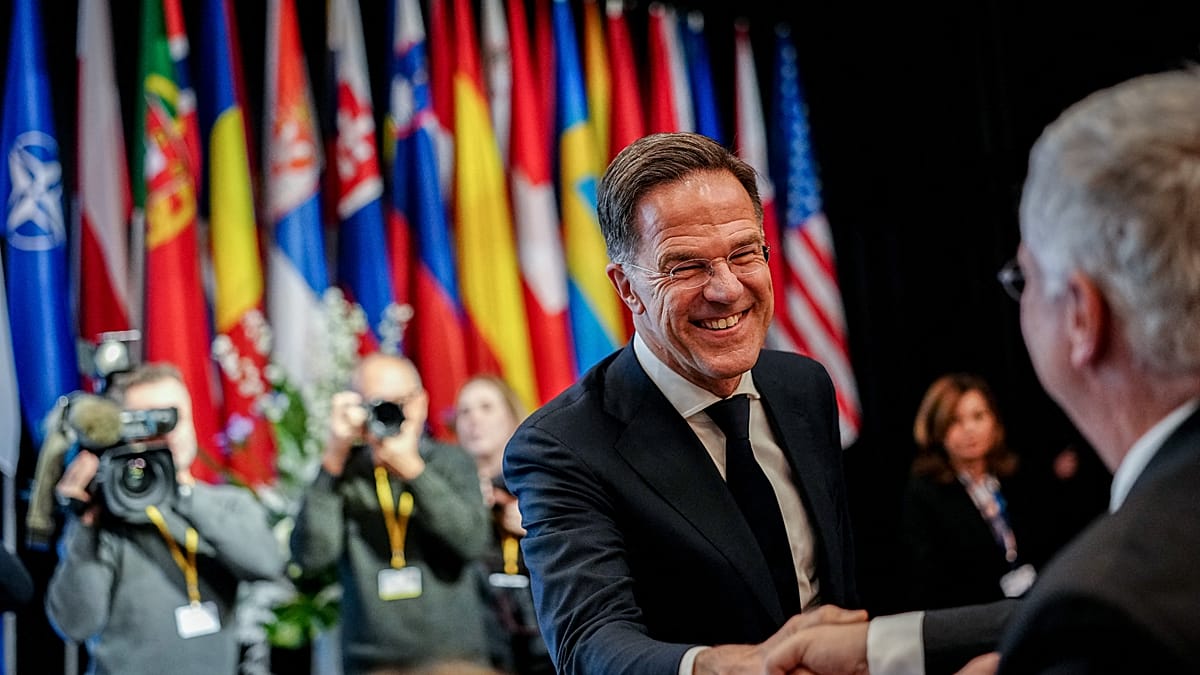 🇪🇺Europe
Photo: Euronews
Key points
- Friedrich Merz calls the 2008 NATO decision regarding Ukraine a mistake.
- Mark Rutte reaffirms that only NATO allies decide on membership, rejecting Russian demands for a 1997-style withdrawal.
- NATO is considering additional asset deployments to Poland following recent border incursions.
German Chancellor Friedrich Merz declared that the decision to deny Ukraine a path to NATO membership during the 2008 Bucharest summit was a significant mistake. Speaking in Berlin alongside NATO Secretary General Mark Rutte, Merz argued that had the alliance accepted the proposal put forward by then-U.S. President George W. Bush at the time, the full-scale Russian invasion of Ukraine could have been avoided.
The remarks come as discussions regarding Ukraine’s future in the alliance gain momentum, with French President Emmanuel Macron recently calling for the debate to be reopened. However, Secretary General Rutte maintained a cautious stance, emphasizing that while the alliance remains committed to the principle that Ukraine should eventually join, there is currently no unanimous agreement among the 32 member states to move forward with accession.
Rutte firmly rejected demands from the Kremlin to return NATO to its 1997 borders, stating that membership decisions are the exclusive prerogative of existing allies. Amid ongoing concerns over Russian hybrid attacks and recent incursions into Polish territory, Rutte underscored that the alliance's primary response remains the continued provision of military support to Kyiv. NATO officials are reportedly reviewing the deployment of additional defensive assets to the region to bolster deterrence.
The stakes
If Ukraine were to join NATO, it would fundamentally alter the European security architecture and likely finalize the end of Russia's sphere of influence in Eastern Europe. Conversely, continued exclusion leaves Kyiv in a precarious security position, though it provides Moscow with a potential bargaining chip in future peace negotiations, creating a high-stakes standoff between Western security guarantees and Russian territorial demands.
Two readings
- Supporters argue that a firm commitment to Ukrainian NATO membership would have deterred Russian aggression and that current hesitation only emboldens Moscow.
- Critics contend that expanding the alliance toward Russia's borders has historically exacerbated tensions and that immediate membership could trigger a wider, uncontrollable conflict.
Source Euronews — euronews.com/2026/11/23/merz-says-it-was-a-mistake-not-to-admit-ukr… ↗
Read next
 ✒️Opinion & Analysis
ICJ Rules Myanmar Military Committed Genocide Against Rohingya
The International Court of Justice has found Myanmar's military guilty of genocide against the Rohingya, a ruling that damages the international standing of both Aung San…
 🕯️Democracy & Rights
Chinese teachers face rising parental pressure over personal life choices
Chinese educators are encountering a surge in unreasonable demands from parents, including complaints regarding teachers' pregnancy and maternity leave.
 🛡️War & Security
Ukraine Restricts Media Coverage of Infrastructure Damage Amid Russian Strikes
President Volodymyr Zelenskyy has issued a decree prohibiting media outlets from reporting on the impact of Russian strikes against critical infrastructure and the status…
 🏮China & Taiwan
Beijing Reaffirms Reunification Stance Following Taiwan Local Election Results
China’s Taiwan Affairs Office declared that the island’s reunification with the mainland remains inevitable, despite recent shifts in Taiwan's local political landscape.
 ⚖️Law & Policy
India Government Proposes 50% Increase in Parliamentary Seats and Women's Reservation
The Indian government plans to introduce legislation to expand the Lok Sabha to 850 seats and mandate a 33% reservation for women in legislative bodies.
 ⚖️Law & Policy
India’s ruling alliance nears two-thirds majority for sweeping parliamentary expansion and delimitation bills
The National Democratic Alliance is nearing a two-thirds majority in Parliament to pass landmark legislation expanding the Lok Sabha by 50 percent and implementing a 33 p…