Human Rights Watch Reports Rising Landmine Use Amid European Treaty Withdrawals
A report from Human Rights Watch indicates landmine casualties surged to 6,929 in 2025 as five European nations withdrew from the 1997 Mine Ban Treaty.
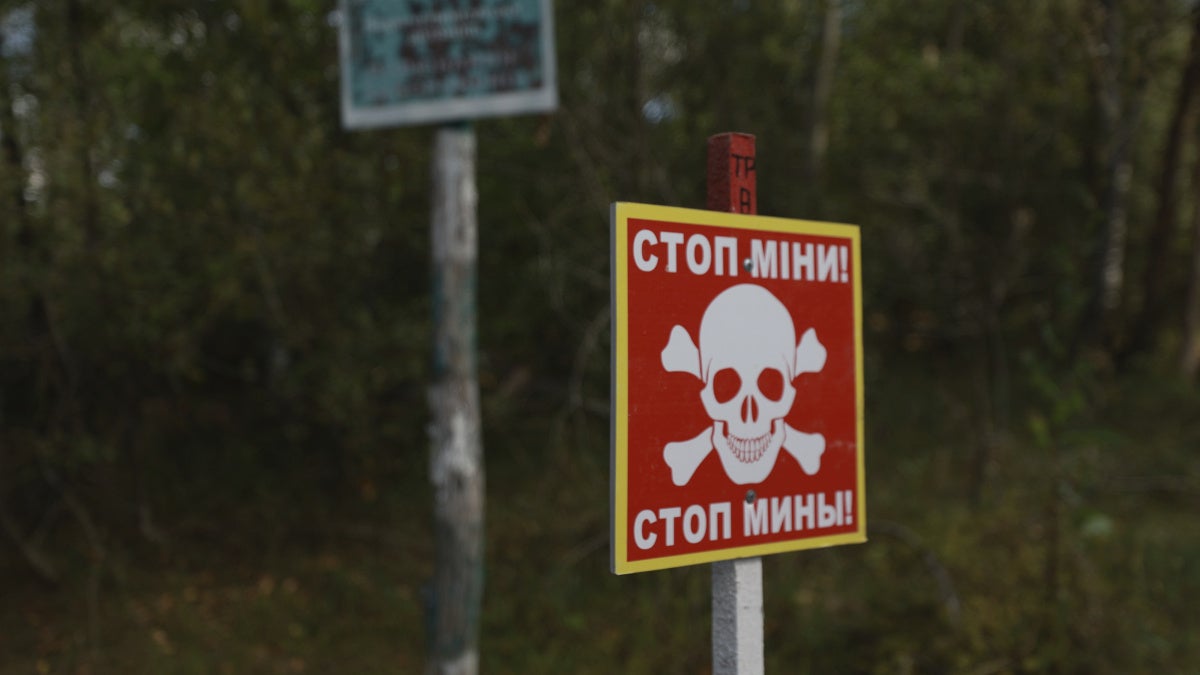 🇪🇺Europe
Photo: Human Rights Watch
Key points
- Landmine casualties rose to 6,929 in 2025 amid expanding deployments.
- Five European nations withdrew from the 1997 Mine Ban Treaty in 2025 and 2026.
- Civilians accounted for 84 percent of all casualties recorded globally.
Human Rights Watch reported on November 24, 2026, that global casualties from antipersonnel landmines reached 6,929 in 2025, driven by fresh deployment, manufacturing, and treaty withdrawals by several nations.
According to the Landmine Monitor 2026, five European countries—Estonia, Finland, Latvia, Lithuania, and Poland—withdrew from the landmark 1997 Mine Ban Treaty over the past two years. Ukraine also stated in July 2025 that it would suspend its treaty obligations while fighting Russia, though the accord does not permit suspensions during wartime. Non-signatories including Russia, Iran, Myanmar, and North Korea actively used antipersonnel weapons, while Poland, Russia, India, Myanmar, and South Korea engaged in ongoing production.
Civilians comprised 84 percent of all documented casualties globally, with Myanmar and Syria recording the highest overall totals. Despite expanding contamination elsewhere, Lebanon, the Marshall Islands, and Tonga joined the treaty, and Croatia completed its landmine clearance operations in March 2026.
The stakes
Advocates for global mine prohibition face severe erosion of diplomatic norms as border states seek tactical options against nearby military threats. While frontline defense planners gain the ability to deploy landmines along contested frontiers, civilian communities near former conflict zones suffer prolonged displacement, dangerous transit, and impaired economic recovery.
Two readings
- Supporters of the accord maintain that landmines cause indiscriminate, long-lasting civilian harm, making absolute adherence to international bans an ethical and legal imperative.
- Critics and withdrawing states argue that intensified regional security risks require nations to prioritize immediate territorial defense over diplomatic commitments.
Source Human Rights Watch — hrw.org/news/2026/11/24/landmines-new-use-production-undermine-ban-… ↗
Read next
 ✒️Opinion & Analysis
ICJ Rules Myanmar Military Committed Genocide Against Rohingya
The International Court of Justice has found Myanmar's military guilty of genocide against the Rohingya, a ruling that damages the international standing of both Aung San…
 🕯️Democracy & Rights
Chinese teachers face rising parental pressure over personal life choices
Chinese educators are encountering a surge in unreasonable demands from parents, including complaints regarding teachers' pregnancy and maternity leave.
 🛡️War & Security
Ukraine Restricts Media Coverage of Infrastructure Damage Amid Russian Strikes
President Volodymyr Zelenskyy has issued a decree prohibiting media outlets from reporting on the impact of Russian strikes against critical infrastructure and the status…
 🏮China & Taiwan
Beijing Reaffirms Reunification Stance Following Taiwan Local Election Results
China’s Taiwan Affairs Office declared that the island’s reunification with the mainland remains inevitable, despite recent shifts in Taiwan's local political landscape.
 ⚖️Law & Policy
India Government Proposes 50% Increase in Parliamentary Seats and Women's Reservation
The Indian government plans to introduce legislation to expand the Lok Sabha to 850 seats and mandate a 33% reservation for women in legislative bodies.
 ⚖️Law & Policy
India’s ruling alliance nears two-thirds majority for sweeping parliamentary expansion and delimitation bills
The National Democratic Alliance is nearing a two-thirds majority in Parliament to pass landmark legislation expanding the Lok Sabha by 50 percent and implementing a 33 p…