International Allies Weigh US Democratic Resilience Against Strategic Volatility
Global allies are praising the self-correcting capacity of American democracy following recent midterms while warning that persistent policy swings undermine long-term strategic reliability.
 ✒️Opinion & Analysis
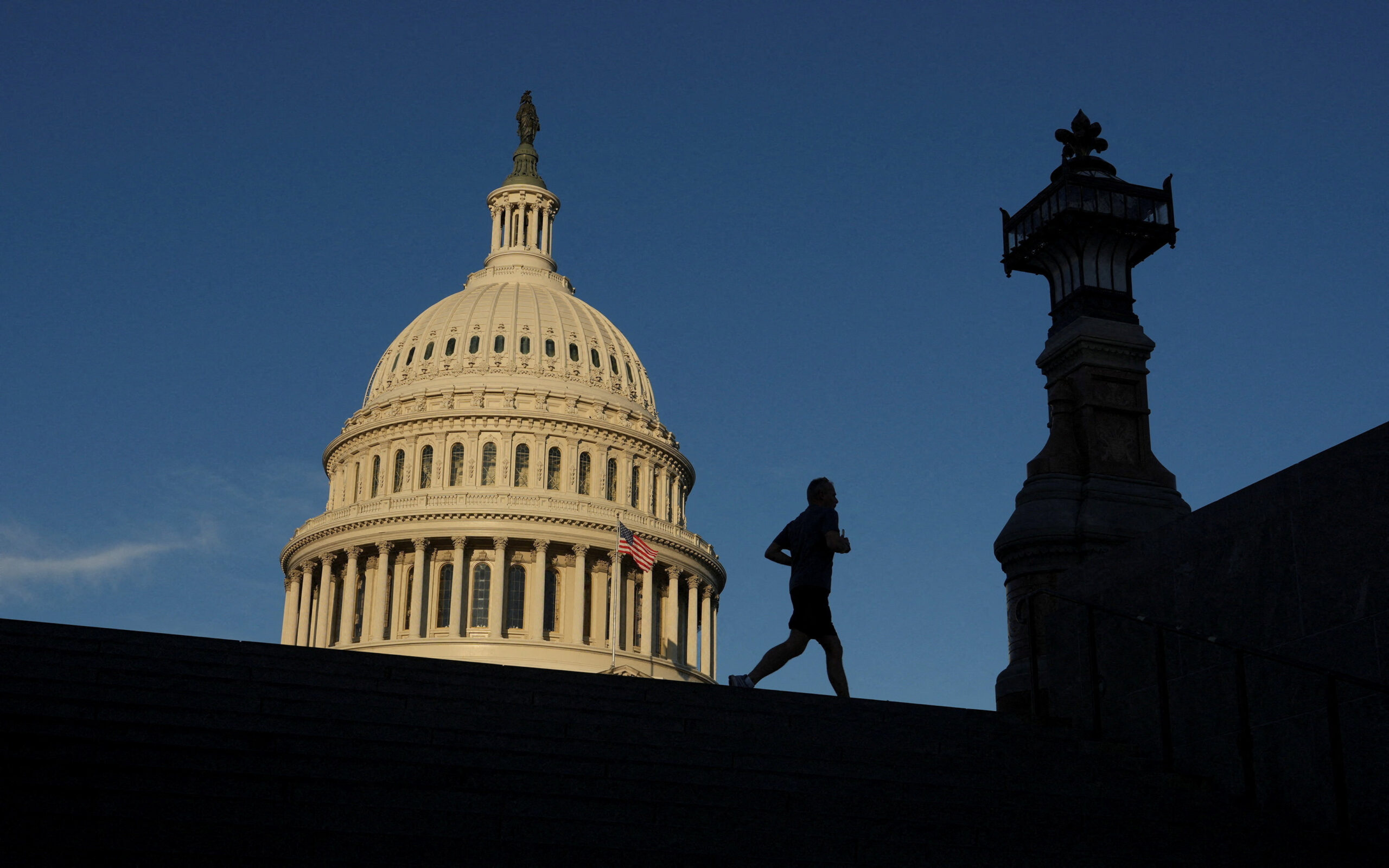
Photo: Atlantic Council
Key points
- Midterm elections highlighted the self-correcting nature of US democracy.
- Allies worry about erratic foreign policy shifts and strategic reliability.
- Global partners are forced to adapt security plans to American political volatility.
International observers in Europe, the Middle East, and Asia are reassessing United States reliability after recent midterm elections demonstrated American democracy's institutional durability. According to diplomatic and official assessments gathered abroad, foreign partners expressed astonishment at the scale of political shifts, viewing the outcomes as proof that domestic mechanisms can effectively register voter discontent and compel a change in course.
However, officials and analysts across these regions emphasize that domestic democratic resilience does not equate to international predictability. Conversations with foreign leaders reveal mounting anxiety regarding sharp foreign policy swings between administrations, questioning of traditional alliances, and the transactional nature of recent policymaking. For nations depending on Washington's security guarantees—such as NATO commitments in Europe or counter-measures against regional adversaries in the Middle East—the primary concern remains whether American commitments can transcend electoral outcomes.
Regional stakeholders are particularly focused on immediate diplomatic tests, including upcoming trilateral negotiations involving the US, Russia, and Ukraine, as well as debates within Washington over the Middle East. While some leaders anticipate renewed bipartisan backing for Kyiv following the elections, others warn that internal political volatility forces allies to factor unpredictable American shifts directly into their own security and economic calculations.
The stakes
International partners stand to lose long-term strategic stability if Washington's foreign policy continues to oscillate wildly between administrations, while the US risks eroding the trust underpinning its global alliances. If allies successfully adapt to this volatility, they may build more autonomous security frameworks; if they fail, regional security architectures in Europe and the Middle East could fracture under the weight of shifting US priorities.
Two readings
- Supporters argue that vibrant democratic self-correction proves the US political system is responsive to the public and capable of peaceful, institutional course-reversals.
- Critics contend that extreme political pendulum swings render Washington an unreliable partner whose international agreements can no longer survive a single domestic election cycle.
Source Atlantic Council — atlanticcouncil.org/content-series/inflection-points/dispatch-from-… ↗
Read next
 🕯️Democracy & Rights
Chinese teachers face rising parental pressure over personal life choices
Chinese educators are encountering a surge in unreasonable demands from parents, including complaints regarding teachers' pregnancy and maternity leave.
 🛡️War & Security
Ukraine Restricts Media Coverage of Infrastructure Damage Amid Russian Strikes
President Volodymyr Zelenskyy has issued a decree prohibiting media outlets from reporting on the impact of Russian strikes against critical infrastructure and the status…
 🏮China & Taiwan
Beijing Reaffirms Reunification Stance Following Taiwan Local Election Results
China’s Taiwan Affairs Office declared that the island’s reunification with the mainland remains inevitable, despite recent shifts in Taiwan's local political landscape.
 🇪🇺Europe
US Air Force Repels Unauthorized Drone Incursion at RAF Lakenheath
U.S. security forces at a British air base successfully countered a group of unidentified drones, amid growing concerns over potential foreign state involvement.
 ⚖️Law & Policy
India Government Proposes 50% Increase in Parliamentary Seats and Women's Reservation
The Indian government plans to introduce legislation to expand the Lok Sabha to 850 seats and mandate a 33% reservation for women in legislative bodies.
 ⚖️Law & Policy
India’s ruling alliance nears two-thirds majority for sweeping parliamentary expansion and delimitation bills
The National Democratic Alliance is nearing a two-thirds majority in Parliament to pass landmark legislation expanding the Lok Sabha by 50 percent and implementing a 33 p…