Policy Expert Urges Regional Governance Overhaul to Tackle Delhi Air Quality Crisis
A leading policy specialist argues that Delhi's air pollution cannot be solved by local emergency measures alone, calling for a coordinated political framework across the Indo-Gangetic Plain.
 ⚖️Law & Policy
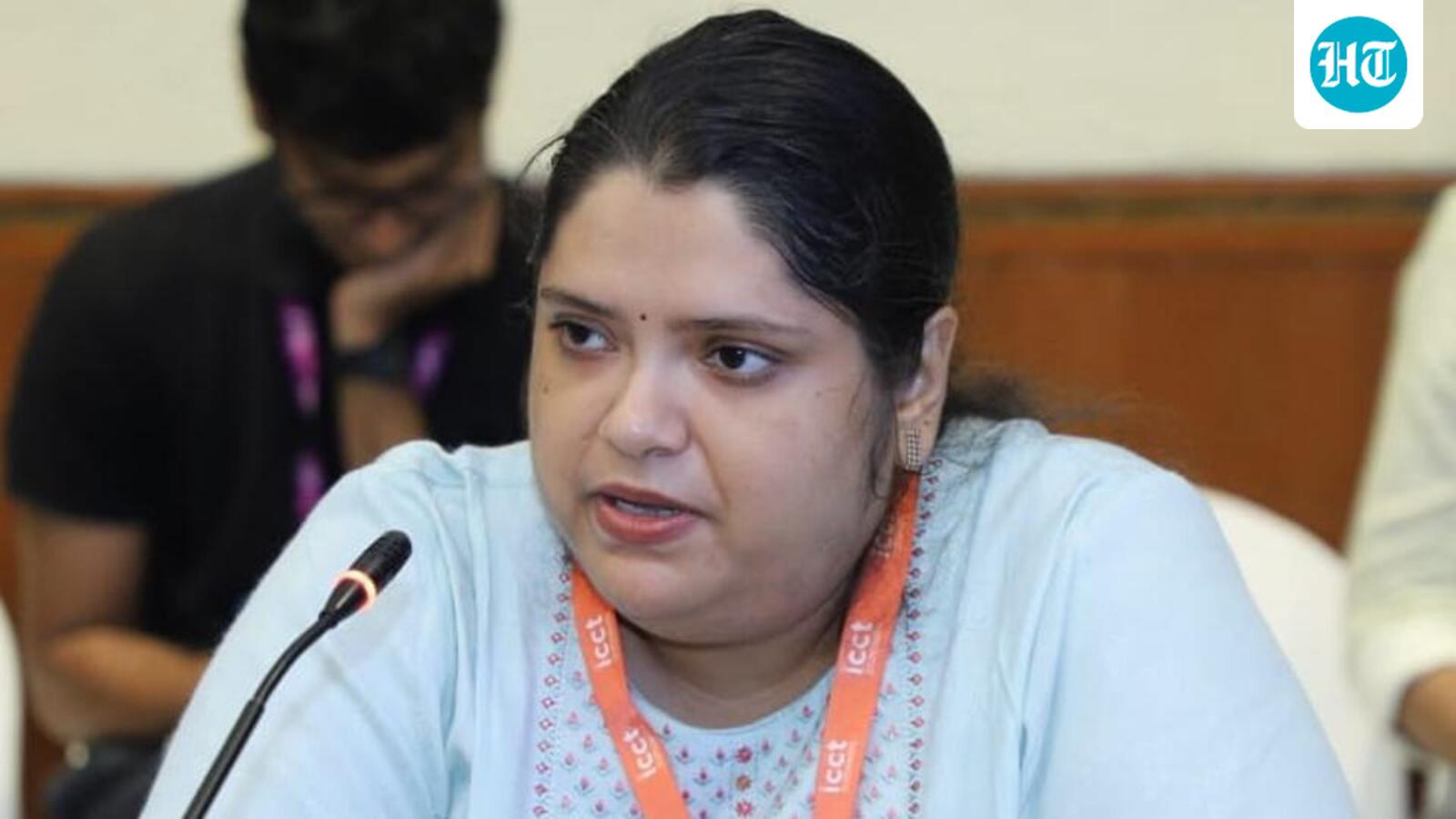
Photo: Hindustan Times
Key points
- Emergency restrictions like GRAP are insufficient without year-round regional coordination across state lines.
- The Indo-Gangetic Plain requires a unified political approach to manage transboundary emissions effectively.
- Updated emission data and reskilling programs for affected industries are essential for long-term policy compliance.
Swagata Dey, a policy specialist at the Centre for Study of Science, Technology and Policy (CSTEP), argues that India’s efforts to combat Delhi’s air pollution will fail without a permanent, year-round political strategy encompassing the entire Indo-Gangetic Plain. Speaking on the limitations of current emergency protocols, Dey emphasized that the current focus on the National Capital Region (NCR) ignores the transboundary nature of the crisis.
The expert noted that the Graded Response Action Plan (GRAP) is often invoked too late, only after pollution levels have already spiked. While recent changes allow for earlier intervention, the plan remains geographically limited. Expanding the jurisdiction of the Commission for Air Quality Management (CAQM) to cover the broader regional "airshed" is seen as a vital step toward effective regulation and inter-state coordination.
Enforcement of existing bans, such as those on conventional firecrackers, remains a significant hurdle due to population scale and economic constraints. Dey suggested that the government must pair these restrictions with reskilling programs for workers in the firecracker industry to ensure long-term compliance. Furthermore, the lack of updated emission data since the pandemic hinders the ability of policymakers to measure the true impact of recent clean energy initiatives.
Addressing the political friction between states, the analysis points out that stubble burning in Punjab and Haryana often becomes a seasonal "blame game." While it contributes significantly during peak winter episodes—up to 15% according to modeling—it is only one part of a complex problem that includes transport, industry, and waste burning. A holistic approach is required to address all sectors throughout the year rather than relying on episodic interventions.
The stakes
Success in this regional approach would provide a blueprint for environmental governance in high-density developing nations, potentially saving thousands of lives and reducing the long-term healthcare burden. However, failure to bridge the political divide between state governments ensures that pollution remains a permanent fixture of the Indian winter, with the poorest citizens bearing the brunt of the health consequences while industrial and agricultural sectors remain in a cycle of reactive regulation.
Two readings
- Supporters argue that a science-led, transboundary policy is the only way to move past ineffective, localized solutions and hold all states accountable for their shared contribution to the regional airshed.
- Critics contend that expanding federal oversight across the Indo-Gangetic Plain may infringe on state autonomy and that strict year-round regulations could impose unsustainable costs on the agricultural and manufacturing sectors.
Source Hindustan Times — hindustantimes.com/india-news/delhis-air-pollution-fight-needs-year… ↗
Read next
 ✒️Opinion & Analysis
ICJ Rules Myanmar Military Committed Genocide Against Rohingya
The International Court of Justice has found Myanmar's military guilty of genocide against the Rohingya, a ruling that damages the international standing of both Aung San…
 🕯️Democracy & Rights
Chinese teachers face rising parental pressure over personal life choices
Chinese educators are encountering a surge in unreasonable demands from parents, including complaints regarding teachers' pregnancy and maternity leave.
 🛡️War & Security
Ukraine Restricts Media Coverage of Infrastructure Damage Amid Russian Strikes
President Volodymyr Zelenskyy has issued a decree prohibiting media outlets from reporting on the impact of Russian strikes against critical infrastructure and the status…
 🏮China & Taiwan
Beijing Reaffirms Reunification Stance Following Taiwan Local Election Results
China’s Taiwan Affairs Office declared that the island’s reunification with the mainland remains inevitable, despite recent shifts in Taiwan's local political landscape.
 🇪🇺Europe
US Air Force Repels Unauthorized Drone Incursion at RAF Lakenheath
U.S. security forces at a British air base successfully countered a group of unidentified drones, amid growing concerns over potential foreign state involvement.
 🕯️Democracy & Rights
Malaysia to Display Artworks Recovered in 1MDB Corruption Scandal
The Malaysian National Art Gallery will exhibit four pieces of art previously linked to the 1MDB financial scandal, following their successful repatriation to the country…