Supreme Court Considers Limits on Lawsuits Against Federal Officers
The U.S. Supreme Court is hearing a case involving a prisoner's right to sue federal staff, a decision that could redefine accountability for federal law enforcement.
 ⚖️Law & Policy
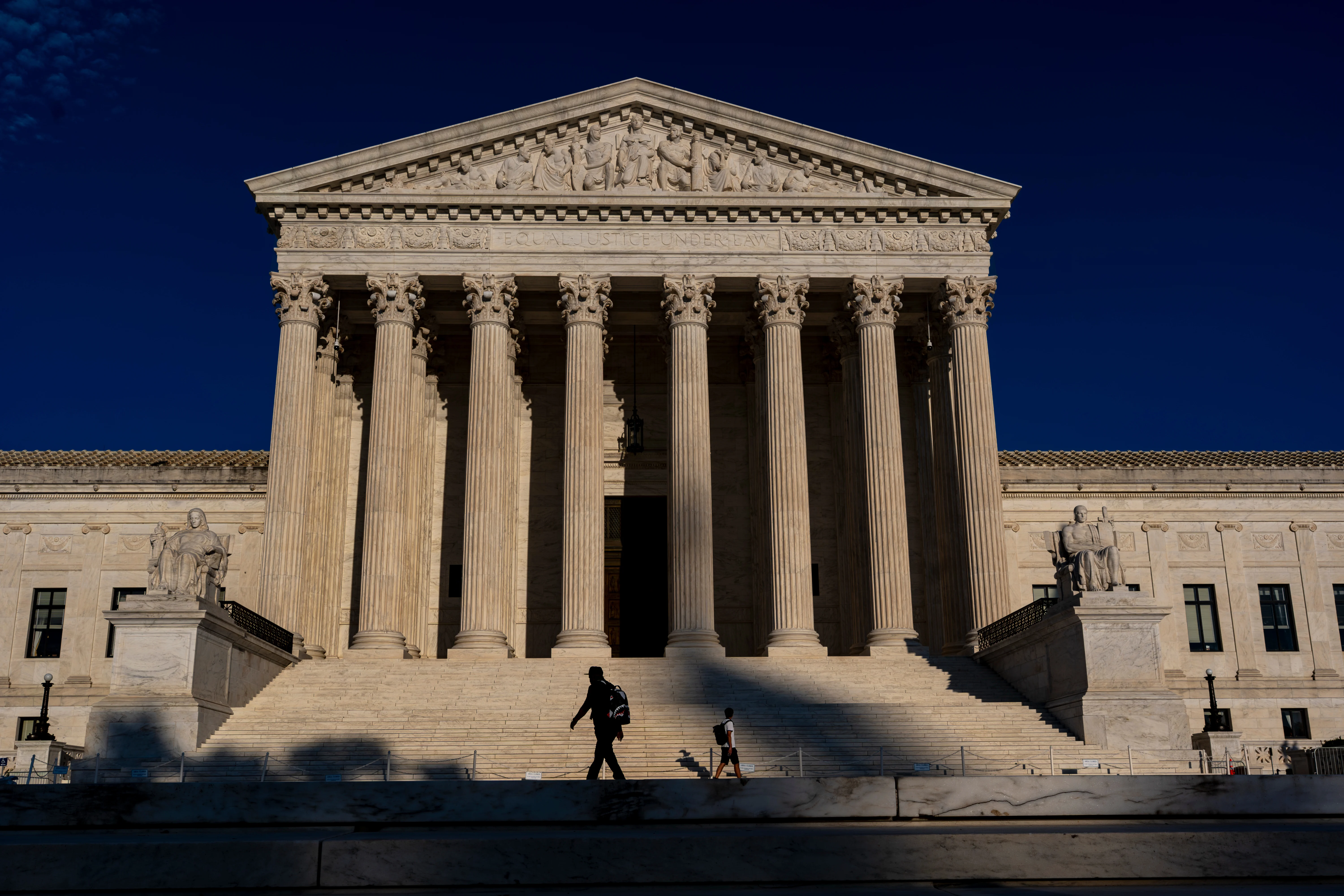
Photo: NPR Politics
Key points
- Supreme Court reviews Bivens doctrine limitations
- Case involves prisoner denied medical care
- Ruling will define federal officer accountability
The U.S. Supreme Court has begun deliberations in a significant case concerning the ability of individuals to sue federal employees for constitutional violations. The matter centers on a prisoner who sustained severe injuries while incarcerated and was subsequently denied adequate medical treatment. The petitioner is seeking to hold a prison nurse accountable, challenging current legal barriers that often shield federal officers from civil litigation.
This case addresses the scope of the Bivens doctrine, a legal precedent that historically allowed individuals to sue federal officials for damages when their constitutional rights are infringed. Over recent decades, the Court has increasingly narrowed the circumstances under which such lawsuits can proceed, creating a high threshold for plaintiffs seeking redress against federal agents.
Legal observers note that the ruling could have far-reaching implications for federal law enforcement and correctional oversight. By determining whether this specific claim can move forward, the justices are effectively deciding the future viability of private lawsuits as a tool for enforcing constitutional standards within federal facilities.
The stakes
If the Court rules in favor of the petitioner, it could open a new avenue for federal prisoners to seek damages for negligence or abuse, potentially increasing oversight of federal operations. Conversely, a ruling against the prisoner would further insulate federal officials from litigation, likely ending the practice of using Bivens-style claims to challenge the conduct of federal employees in most contexts.
Two readings
- Supporters of the lawsuit argue that without the ability to sue, federal officers operate with near-total impunity, leaving victims of constitutional violations without any meaningful legal recourse.
- Critics of the lawsuit contend that expanding the right to sue would overwhelm the federal judiciary with litigation and hinder the ability of government employees to perform their duties without the constant threat of personal financial liability.
Source NPR Politics — npr.org/2026/11/09/nx-s1-6013575/supreme-court-federal-law-enforcem… ↗
Read next
 ✒️Opinion & Analysis
ICJ Rules Myanmar Military Committed Genocide Against Rohingya
The International Court of Justice has found Myanmar's military guilty of genocide against the Rohingya, a ruling that damages the international standing of both Aung San…
 🕯️Democracy & Rights
Chinese teachers face rising parental pressure over personal life choices
Chinese educators are encountering a surge in unreasonable demands from parents, including complaints regarding teachers' pregnancy and maternity leave.
 🛡️War & Security
Ukraine Restricts Media Coverage of Infrastructure Damage Amid Russian Strikes
President Volodymyr Zelenskyy has issued a decree prohibiting media outlets from reporting on the impact of Russian strikes against critical infrastructure and the status…
 🏮China & Taiwan
Beijing Reaffirms Reunification Stance Following Taiwan Local Election Results
China’s Taiwan Affairs Office declared that the island’s reunification with the mainland remains inevitable, despite recent shifts in Taiwan's local political landscape.
 🇪🇺Europe
US Air Force Repels Unauthorized Drone Incursion at RAF Lakenheath
U.S. security forces at a British air base successfully countered a group of unidentified drones, amid growing concerns over potential foreign state involvement.
 🕯️Democracy & Rights
Malaysia to Display Artworks Recovered in 1MDB Corruption Scandal
The Malaysian National Art Gallery will exhibit four pieces of art previously linked to the 1MDB financial scandal, following their successful repatriation to the country…