Iranian Health Official Urges International Action Against Antimicrobial Resistance
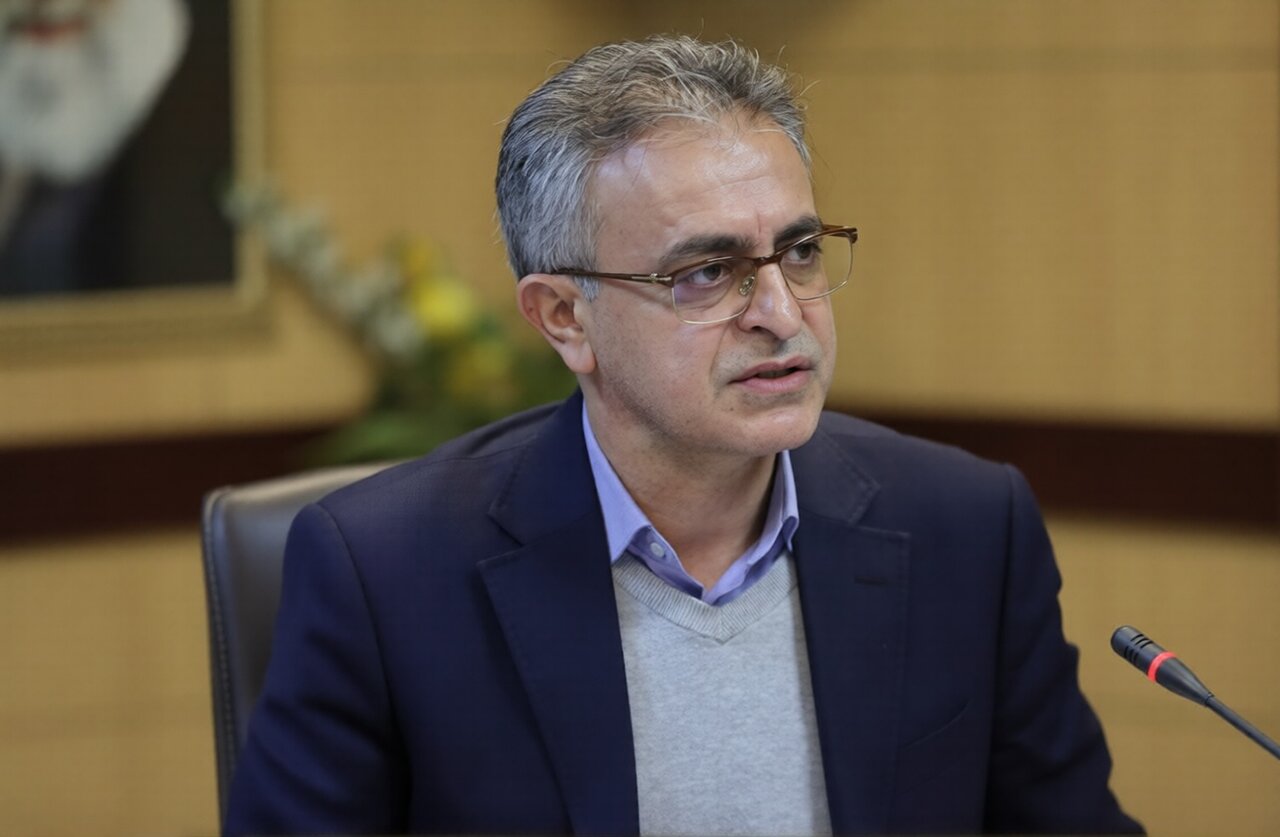
Qobad Moradi, head of the Communicable Diseases Management Center at Iran's Ministry of Health, called for global solidarity to address antimicrobial resistance during a World AMR Awareness Week webinar.
 ⚖️Law & Policy
Photo: Tehran Times
Key points
- Antimicrobial resistance causes 1.2 million direct annual deaths globally.
- Qobad Moradi called for international solidarity and stricter hospital controls.
- The issue has moved to high-level United Nations policymaking agendas.
Qobad Moradi, head of the Communicable Diseases Management Center at the Ministry of Health, warned on Monday that antimicrobial resistance poses an immediate global threat requiring coordinated international cooperation. Speaking during a webinar for World AMR Awareness Week, Moradi highlighted that the crisis is driven by the overuse of medicines and inadequate hospital infection controls.
Official estimates indicate that antimicrobial resistance directly causes roughly 1.2 million deaths each year, with nearly five million fatalities linked to the phenomenon globally. Without effective policy interventions, direct annual deaths could climb to 10 million by the year 2050, impacting not only human health but also food security and economic stability.
Moradi emphasized that no single nation can manage the crisis independently because resistant pathogens cross borders easily. He noted that the issue has advanced past technical WHO discussions to enter high-level United Nations policymaking agendas, backed by strategies targeting public awareness, surveillance, and infection prevention.
The stakes
Governments risk substantial public health and economic burdens if regulatory frameworks and hospital controls fail to curb pharmaceutical overuses, while coordinated international policy efforts stand to save millions of lives and protect global food production systems.
Two readings
- Supporters view high-level global policymaking and awareness campaigns as essential steps to enforce stricter pharmaceutical regulations and safeguard public health.
- Critics argue that international frameworks often lack binding enforcement mechanisms, leaving individual states struggling to implement costly hospital reforms and surveillance systems.
Source Tehran Times — tehrantimes.com/news/532239/Global-solidarity-essential-to-tackling… ↗
Read next
 ✒️Opinion & Analysis
ICJ Rules Myanmar Military Committed Genocide Against Rohingya
The International Court of Justice has found Myanmar's military guilty of genocide against the Rohingya, a ruling that damages the international standing of both Aung San…
 🕯️Democracy & Rights
Chinese teachers face rising parental pressure over personal life choices
Chinese educators are encountering a surge in unreasonable demands from parents, including complaints regarding teachers' pregnancy and maternity leave.
 🛡️War & Security
Ukraine Restricts Media Coverage of Infrastructure Damage Amid Russian Strikes
President Volodymyr Zelenskyy has issued a decree prohibiting media outlets from reporting on the impact of Russian strikes against critical infrastructure and the status…
 🏮China & Taiwan
Beijing Reaffirms Reunification Stance Following Taiwan Local Election Results
China’s Taiwan Affairs Office declared that the island’s reunification with the mainland remains inevitable, despite recent shifts in Taiwan's local political landscape.
 🇪🇺Europe
US Air Force Repels Unauthorized Drone Incursion at RAF Lakenheath
U.S. security forces at a British air base successfully countered a group of unidentified drones, amid growing concerns over potential foreign state involvement.
 🕯️Democracy & Rights
Malaysia to Display Artworks Recovered in 1MDB Corruption Scandal
The Malaysian National Art Gallery will exhibit four pieces of art previously linked to the 1MDB financial scandal, following their successful repatriation to the country…