Lawmakers Urged to Curb Executive Emergency Powers After Years of Abuse
Legal scholars and watchdogs are calling on Congress to enact strict limits on presidential emergency authorities following widespread bipartisan misuse by successive administrations.
 ⚖️Law & Policy
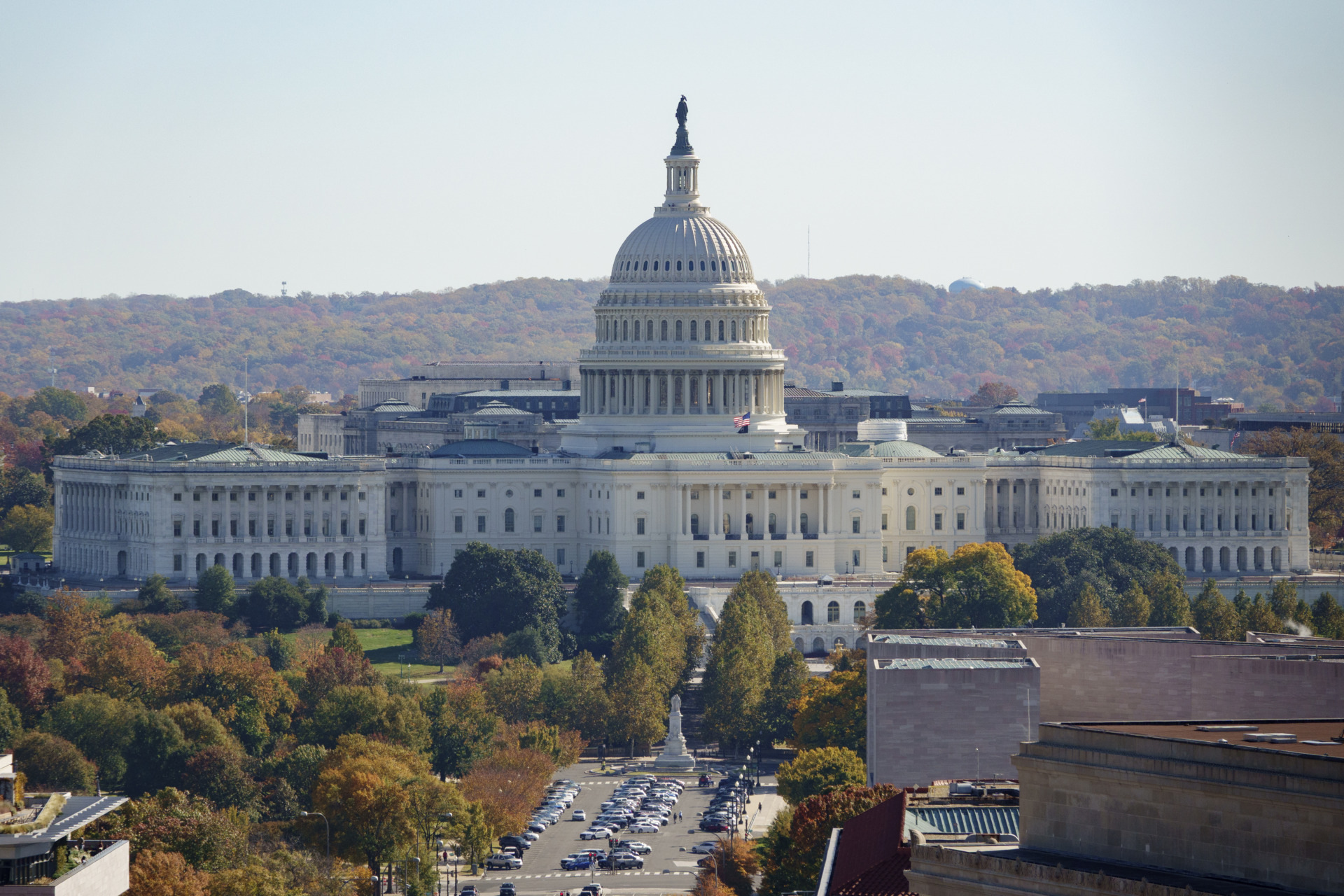
Photo: Just Security
Key points
- Experts urge Congress to reform the National Emergencies Act of 1976.
- Proposed changes include strict time limits and the abolition of certain unilateral powers.
- Bipartisan lawmakers have previously explored legislative fixes to curb executive overreach.
Lawmakers face mounting pressure to overhaul federal emergency statutes, with legal experts and policymakers warning that executive overreach threatens constitutional checks and balances. Critics note that modern presidents have increasingly treated statutory emergency authorities as unchecked grants of power, bypassing legislative approval to implement sweeping measures. Supreme Court Justice Neil Gorsuch recently remarked that the prevailing governance model assumes “everything is an emergency,” echoing warnings from progressive oversight groups about the persistent accumulation of authority within the executive branch.
The current framework stems largely from the National Emergencies Act of 1976, alongside statutes such as the International Emergency Economic Powers Act and the Alien Enemies Act. Originally designed for extraordinary crises, these laws have enabled dozens of prolonged declarations, including long-standing national emergencies that persist for decades without active congressional renewal. Analysts point out that the invalidation of the legislative veto in 1983 removed the primary mechanism for lawmakers to easily terminate executive orders, leaving current declarations practically immune to legislative reversal.
Bipartisan interest in reform has surfaced as lawmakers contemplate potential cross-ideological cooperation. Proposals include abolishing specific high-risk authorities—such as executive control over communications infrastructure or domestic experimentation—and instituting rigid statutory time limits on all declared emergencies. While past legislative efforts by senators from both parties have stalled, advocates argue that upcoming political shifts offer a timely opening to restore constitutional boundaries on executive authority.
The stakes
If Congress successfully enacts new constraints, the executive branch will lose the ability to unilaterally freeze assets, control domestic infrastructure, or bypass lawmakers during protracted crises, shifting significant leverage back to Capitol Hill.
Two readings
- Supporters read the push for reform as a necessary constitutional correction to check autocratic impulses and prevent the abuse of sweeping statutory authorities by any future president.
- Critics and cautious observers argue that overly rigid time limits could hamstring a commander-in-chief during genuine, rapidly evolving national security or public health crises.
Source Just Security — justsecurity.org/165089/congress-constrain-emergency-powers/?utm_so… ↗
Read next
 ✒️Opinion & Analysis
ICJ Rules Myanmar Military Committed Genocide Against Rohingya
The International Court of Justice has found Myanmar's military guilty of genocide against the Rohingya, a ruling that damages the international standing of both Aung San…
 🕯️Democracy & Rights
Chinese teachers face rising parental pressure over personal life choices
Chinese educators are encountering a surge in unreasonable demands from parents, including complaints regarding teachers' pregnancy and maternity leave.
 🛡️War & Security
Ukraine Restricts Media Coverage of Infrastructure Damage Amid Russian Strikes
President Volodymyr Zelenskyy has issued a decree prohibiting media outlets from reporting on the impact of Russian strikes against critical infrastructure and the status…
 🏮China & Taiwan
Beijing Reaffirms Reunification Stance Following Taiwan Local Election Results
China’s Taiwan Affairs Office declared that the island’s reunification with the mainland remains inevitable, despite recent shifts in Taiwan's local political landscape.
 🇪🇺Europe
US Air Force Repels Unauthorized Drone Incursion at RAF Lakenheath
U.S. security forces at a British air base successfully countered a group of unidentified drones, amid growing concerns over potential foreign state involvement.
 🕯️Democracy & Rights
Malaysia to Display Artworks Recovered in 1MDB Corruption Scandal
The Malaysian National Art Gallery will exhibit four pieces of art previously linked to the 1MDB financial scandal, following their successful repatriation to the country…