UK Judges Issue Jury Directions to Counter Rape Myths
New judicial guidance aims to neutralise stereotypical assumptions about sexual‑assault victims, while legal scholars warn that defamation law may still shield powerful offenders.
 ⚖️Law & Policy
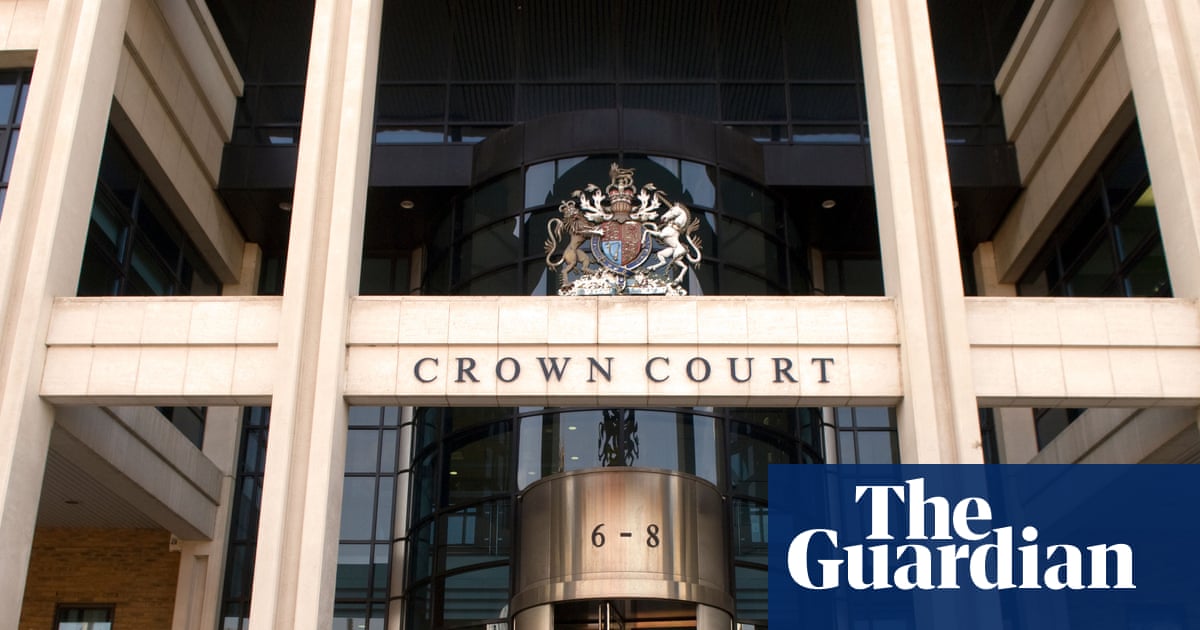
Photo: Guardian Law
Key points
- Judges now give juries explicit directions to counter rape myths
- Court of Appeal supports the guidance as a fairness measure
- Legal scholars warn defamation law may still shield powerful offenders
UK judges have begun issuing formal jury directions aimed at countering longstanding rape myths, a move highlighted in a recent government‑adviser report.
The report, authored by Professor Katrin Hohl, acknowledges improvements by police forces and the Crown Prosecution Service but argues that the court system has lagged behind in protecting victims. It notes that judges are now instructed to remind juries that many survivors cannot physically resist an assault and may delay reporting, without this undermining their credibility.
These instructions appear in the Crown Court compendium, which cautions jurors against "unwarranted assumptions" and urges judges to alert them to guard against such bias. The Court of Appeal has reinforced the approach, stating that directions merely bolster a victim's evidence to the extent necessary to prevent unfairness caused by stereotypical thinking.
While defence teams can still invoke outdated tactics, senior barrister Paul Keleher KC warns that written directions handed to jurors may backfire if the defence relies on them. He suggests the explicit guidance could expose the defence's reliance on myth‑based arguments.
Parallel concerns arise over defamation law, which balances reputation protection with the public's right to know about serious wrongdoing. Commentators such as Gaby Hinsliff and Professor Nicole Moreham argue that powerful individuals can exploit privacy and harassment claims to silence allegations, challenging the adequacy of existing free‑speech safeguards.
The stakes
If the judicial guidance becomes standard practice, it could improve conviction rates for sexual‑assault cases and signal a shift toward victim‑centred jurisprudence, while critics fear it may constrain defence strategies and raise questions about fairness.
Two readings
- Supporters view the directions as a necessary correction to entrenched bias, enhancing justice for survivors.
- Critics see the move as potentially compromising defendants' rights and argue that broader legal reforms, especially in defamation law, are needed to address abuse of privacy claims.
Source Guardian Law — theguardian.com/law/2026/nov/20/judges-juries-and-myths-in-trials ↗
Read next
 ✒️Opinion & Analysis
ICJ Rules Myanmar Military Committed Genocide Against Rohingya
The International Court of Justice has found Myanmar's military guilty of genocide against the Rohingya, a ruling that damages the international standing of both Aung San…
 🕯️Democracy & Rights
Chinese teachers face rising parental pressure over personal life choices
Chinese educators are encountering a surge in unreasonable demands from parents, including complaints regarding teachers' pregnancy and maternity leave.
 🛡️War & Security
Ukraine Restricts Media Coverage of Infrastructure Damage Amid Russian Strikes
President Volodymyr Zelenskyy has issued a decree prohibiting media outlets from reporting on the impact of Russian strikes against critical infrastructure and the status…
 🏮China & Taiwan
Beijing Reaffirms Reunification Stance Following Taiwan Local Election Results
China’s Taiwan Affairs Office declared that the island’s reunification with the mainland remains inevitable, despite recent shifts in Taiwan's local political landscape.
 🇪🇺Europe
US Air Force Repels Unauthorized Drone Incursion at RAF Lakenheath
U.S. security forces at a British air base successfully countered a group of unidentified drones, amid growing concerns over potential foreign state involvement.
 🕯️Democracy & Rights
Malaysia to Display Artworks Recovered in 1MDB Corruption Scandal
The Malaysian National Art Gallery will exhibit four pieces of art previously linked to the 1MDB financial scandal, following their successful repatriation to the country…