Delhi Pollution Control Committee Releases Missing Diwali Night Air Quality Data
The Delhi Pollution Control Committee has published missing Diwali night air quality readings, showing PM2.5 levels exceeding 60 times the national standard.
 ⚖️Law & Policy
Photo: Hindustan Times
Key points
- DPCC released missing Diwali night air quality data on Monday.
- PM2.5 levels peaked at 3,744 µg/m³ in Mundka, over 60 times the national standard.
- An anonymous government official cited technical glitches for the missing metrics.
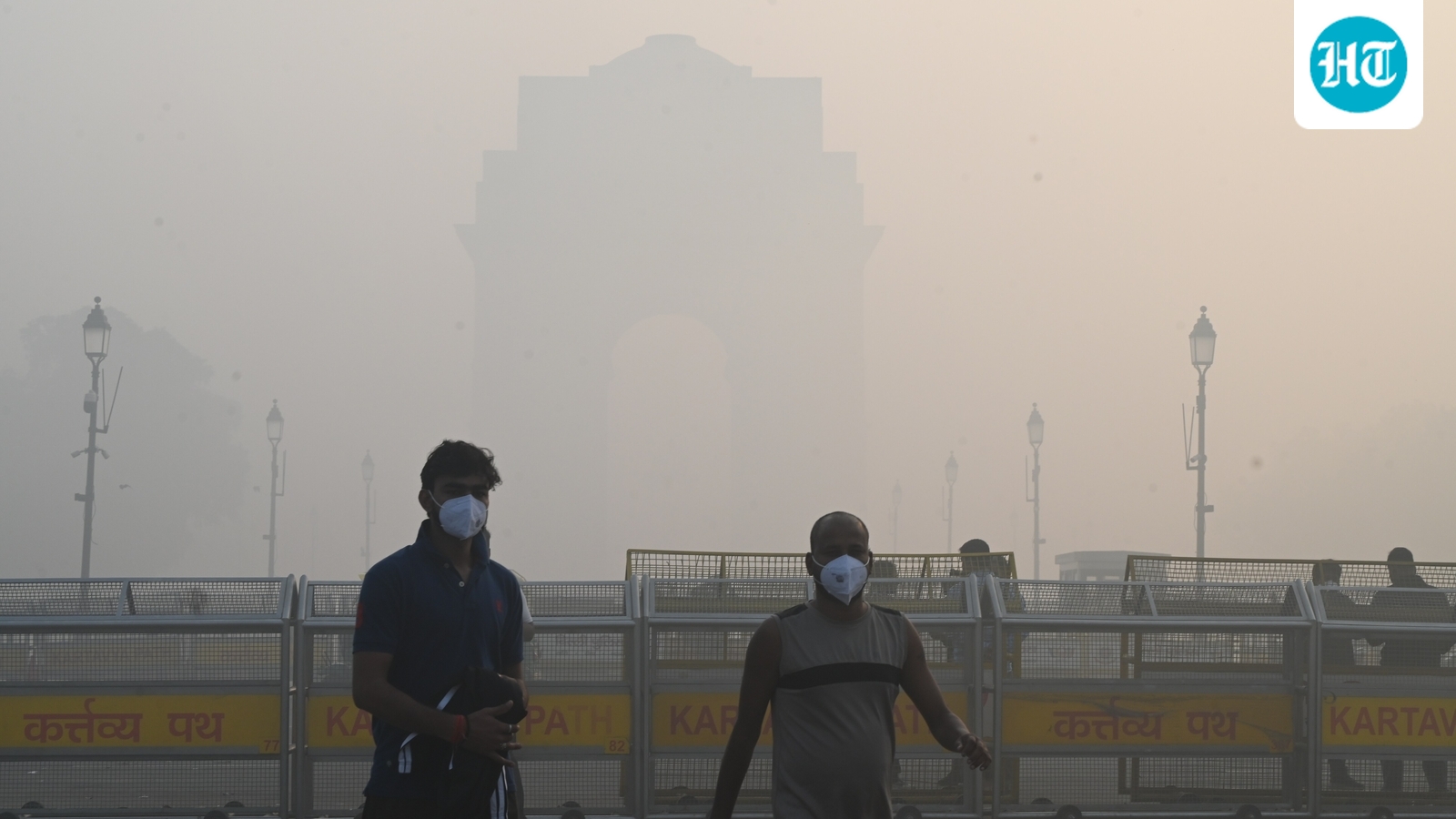
The Delhi Pollution Control Committee (DPCC) released missing hourly air-quality data for Diwali night on Monday, revealing that PM2.5 concentrations reached up to 3,744 micrograms per cubic metre. This figure surpasses the national 24-hour standard of 60 µg/m³ by more than sixtyfold.
The peak pollution concentrations were recorded during the early hours of November 9. Stations in Mundka registered 3,744 µg/m³ at 2am, Jawaharlal Nehru University recorded 3,023 µg/m³ at 4am, and the Netaji Subhas University of Technology reached 3,008 µg/m³ at 5am. Eleven separate DPCC monitoring stations exceeded 2,000 µg/m³, while all 125 station-hours previously missing from Central Pollution Control Board (CPCB) logs exceeded 1,000 µg/m³ on the DPCC portal.
Previously, media investigations noted that PM2.5 metrics across numerous monitoring posts went blank as conditions deteriorated on November 8, with 36 out of 59 stations lacking readings by 1am. An anonymous government official attributed the missing metrics to technical glitches, maintaining that all 43 stations remain operational. CPCB records had not updated to reflect the newly published provisional data as of Monday evening.
The stakes
Accurate reporting of environmental crises directly affects public health policies and the credibility of municipal governance. If the higher provisional data is fully integrated, it underscores the severity of urban pollution events and intensifies pressure on authorities to enforce stricter regulatory measures during festive periods.
Two readings
- Supporters read the release of the raw data as evidence of transparency and institutional accountability within municipal pollution monitoring agencies.
- Critics read the initial disappearance of records and the delayed publication as systemic attempts to downplay the severity of public health emergencies.
Source Hindustan Times — hindustantimes.com/india-news/delhis-missing-diwali-night-data-rele… ↗
Read next
 ✒️Opinion & Analysis
ICJ Rules Myanmar Military Committed Genocide Against Rohingya
The International Court of Justice has found Myanmar's military guilty of genocide against the Rohingya, a ruling that damages the international standing of both Aung San…
 🕯️Democracy & Rights
Chinese teachers face rising parental pressure over personal life choices
Chinese educators are encountering a surge in unreasonable demands from parents, including complaints regarding teachers' pregnancy and maternity leave.
 🛡️War & Security
Ukraine Restricts Media Coverage of Infrastructure Damage Amid Russian Strikes
President Volodymyr Zelenskyy has issued a decree prohibiting media outlets from reporting on the impact of Russian strikes against critical infrastructure and the status…
 🏮China & Taiwan
Beijing Reaffirms Reunification Stance Following Taiwan Local Election Results
China’s Taiwan Affairs Office declared that the island’s reunification with the mainland remains inevitable, despite recent shifts in Taiwan's local political landscape.
 🇪🇺Europe
US Air Force Repels Unauthorized Drone Incursion at RAF Lakenheath
U.S. security forces at a British air base successfully countered a group of unidentified drones, amid growing concerns over potential foreign state involvement.
 🕯️Democracy & Rights
Malaysia to Display Artworks Recovered in 1MDB Corruption Scandal
The Malaysian National Art Gallery will exhibit four pieces of art previously linked to the 1MDB financial scandal, following their successful repatriation to the country…