Bank of England Directors Profited From Cuban Enslavement Post-Abolition
New historical research reveals that directors of the Bank of England profited from brutal enslavement in Cuba long after Britain abolished slavery in its own empire.
 ⚖️Law & Policy
Photo: Guardian Americas
Key points
- Bank of England directors profited from Cuban enslavement post-abolition
- El Cobre mine supplied critical copper to the British Industrial Revolution
- Findings fuel ongoing political debates over UK state apologies and reparations
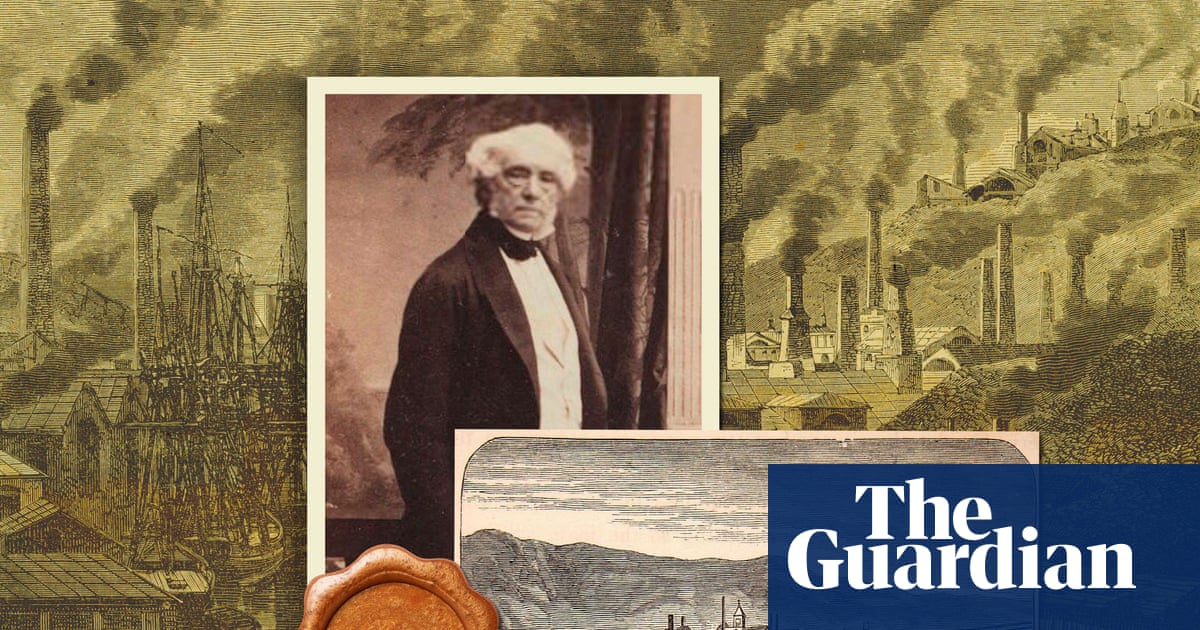
New historical findings reveal that prominent directors of the Bank of England operated and profited from a massive enterprise relying on enslaved African labor in Cuba decades after the British empire outlawed the practice. Historian Chris Evans uncovered that the British-led Cobre Mining Company utilized enslaved labor under prison-like conditions at the El Cobre copper mine near Santiago de Cuba during the 1840s.
While Britain passed the Slavery Abolition Act in 1833, City of London figures continued investing in and directing operations in Spanish-controlled Cuba, where copper was critical to Manchester’s cotton industry, railways, and telegraphy. Key figures involved in the lucrative operation included Bank of England directors Charles Pascoe Grenfell and William Thompson, who acted in a private capacity through firms such as the Royal Santiago Company and Pascoe, Grenfell & Sons.
The revelations arrive amid mounting international pressure on the United Kingdom to issue a formal apology to Caribbean and African nations for its historical role in transatlantic chattel slavery. While Commonwealth leaders prepare for structured dialogue with British officials, domestic political figures remain sharply divided over whether the modern British state bears responsibility for historical colonial exploitation.
The stakes
The historical documentation intensifies political pressure on the British government to address reparatory justice and formal apologies to Commonwealth nations. If ongoing dialogues result in policy concessions, it could reshape Britain's diplomatic relations with Caribbean and African states, while triggering broader reckonings over institutional wealth tied to colonial exploitation.
Two readings
- Supporters of historical accountability argue that uncovering deep institutional ties to post-abolition slavery is vital for addressing enduring global inequalities and justifying formal state apologies.
- Critics and conservative politicians contend that modern generations bear no responsibility for historical actions of past centuries and that Britain's legislative abolition of its own slave trade represents a proud legacy requiring no apology.
Source Guardian Americas — theguardian.com/news/2026/nov/22/bank-of-england-directors-illegall… ↗
Read next
 ✒️Opinion & Analysis
ICJ Rules Myanmar Military Committed Genocide Against Rohingya
The International Court of Justice has found Myanmar's military guilty of genocide against the Rohingya, a ruling that damages the international standing of both Aung San…
 🕯️Democracy & Rights
Chinese teachers face rising parental pressure over personal life choices
Chinese educators are encountering a surge in unreasonable demands from parents, including complaints regarding teachers' pregnancy and maternity leave.
 🛡️War & Security
Ukraine Restricts Media Coverage of Infrastructure Damage Amid Russian Strikes
President Volodymyr Zelenskyy has issued a decree prohibiting media outlets from reporting on the impact of Russian strikes against critical infrastructure and the status…
 🏮China & Taiwan
Beijing Reaffirms Reunification Stance Following Taiwan Local Election Results
China’s Taiwan Affairs Office declared that the island’s reunification with the mainland remains inevitable, despite recent shifts in Taiwan's local political landscape.
 🇪🇺Europe
US Air Force Repels Unauthorized Drone Incursion at RAF Lakenheath
U.S. security forces at a British air base successfully countered a group of unidentified drones, amid growing concerns over potential foreign state involvement.
 🕯️Democracy & Rights
Malaysia to Display Artworks Recovered in 1MDB Corruption Scandal
The Malaysian National Art Gallery will exhibit four pieces of art previously linked to the 1MDB financial scandal, following their successful repatriation to the country…