Supreme Court Signals Restriction on Federal Inmates Suing Officials
The Supreme Court indicated it may restrict federal inmates from suing officials over denied medical treatment, further limiting constitutional accountability claims.
 ⚖️Law & Policy
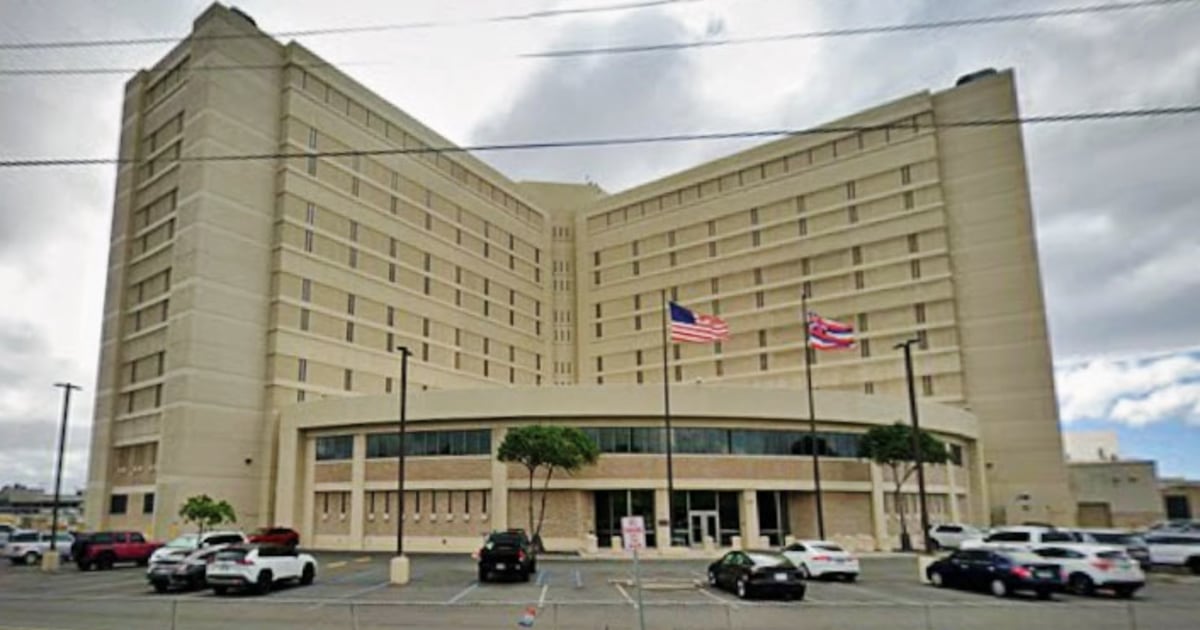
Photo: NBC Politics
Key points
- Supreme Court weighs barring inmate medical suits against federal officials
- Case centers on Kekai Watanabe's 2021 injury and subsequent Eighth Amendment claim
- Conservative justices signal support for limiting Bivens-era precedents
The Supreme Court appeared poised on Monday to bar federal prison inmates from filing civil rights lawsuits against officials who deny them medical care, continuing a multi-year effort by the judiciary to curb such legal actions. The justices heard oral arguments in a lawsuit filed by former federal inmate Kekai Watanabe, who alleged that prison staff in Honolulu ignored his requests for medical attention following a gang riot in July 2021. Watanabe later discovered he had a fractured coccyx and bone chips embedded in soft tissue.
The dispute centers on the boundaries of a landmark 1971 ruling, Bivens v. Six Unknown Federal Narcotic Agents, which established that individuals can sue federal employees for constitutional violations. While the court’s conservative majority seemed reluctant to completely overturn the foundational Bivens precedent, justices indicated they are likely to dismantle a 1980 extension, Carson v. Green, which permitted federal inmates to sue over deliberate indifference to medical needs under the Eighth Amendment.
During Monday's proceedings, conservative members of the court highlighted alternative avenues for relief available to inmates, such as internal grievance systems and the Federal Tort Claims Act, which permits financial claims directly against the federal government rather than individual personnel. Justice Samuel Alito questioned the utility of individual suits given existing remedies, while Justice Brett Kavanaugh observed that alternative laws supply sufficient safeguards.
The stakes
If the court formally curtails these lawsuits, individual federal prison officials will enjoy stronger protections from personal liability, while inmates will lose a direct mechanism to seek damages for constitutional abuses. This outcome shifts legal reliance entirely toward restricted federal tort claims and internal administrative procedures.
Two readings
- Supporters read the decision as a necessary correction to judicial overreach, pointing out that existing statutes like the Federal Tort Claims Act already provide adequate avenues for addressing inmate grievances.
- Critics read the ruling as a damaging blow to civil rights and governmental accountability, arguing that stripping inmates of direct legal remedies shields negligent officials from constitutional consequences.
Source NBC Politics — nbcnews.com/politics/supreme-court/supreme-court-set-limit-federal-… ↗
Read next
 ✒️Opinion & Analysis
ICJ Rules Myanmar Military Committed Genocide Against Rohingya
The International Court of Justice has found Myanmar's military guilty of genocide against the Rohingya, a ruling that damages the international standing of both Aung San…
 🕯️Democracy & Rights
Chinese teachers face rising parental pressure over personal life choices
Chinese educators are encountering a surge in unreasonable demands from parents, including complaints regarding teachers' pregnancy and maternity leave.
 🛡️War & Security
Ukraine Restricts Media Coverage of Infrastructure Damage Amid Russian Strikes
President Volodymyr Zelenskyy has issued a decree prohibiting media outlets from reporting on the impact of Russian strikes against critical infrastructure and the status…
 🏮China & Taiwan
Beijing Reaffirms Reunification Stance Following Taiwan Local Election Results
China’s Taiwan Affairs Office declared that the island’s reunification with the mainland remains inevitable, despite recent shifts in Taiwan's local political landscape.
 🇪🇺Europe
US Air Force Repels Unauthorized Drone Incursion at RAF Lakenheath
U.S. security forces at a British air base successfully countered a group of unidentified drones, amid growing concerns over potential foreign state involvement.
 🕯️Democracy & Rights
Malaysia to Display Artworks Recovered in 1MDB Corruption Scandal
The Malaysian National Art Gallery will exhibit four pieces of art previously linked to the 1MDB financial scandal, following their successful repatriation to the country…