Nepal Flood Survivors Face Mental Health Crisis Amid Government Inaction
Months after deadly flash floods devastated Nepalese communities, survivors are grappling with severe mental health trauma while facing federal inaction on resettlement and compensation.
 ⚖️Law & Policy
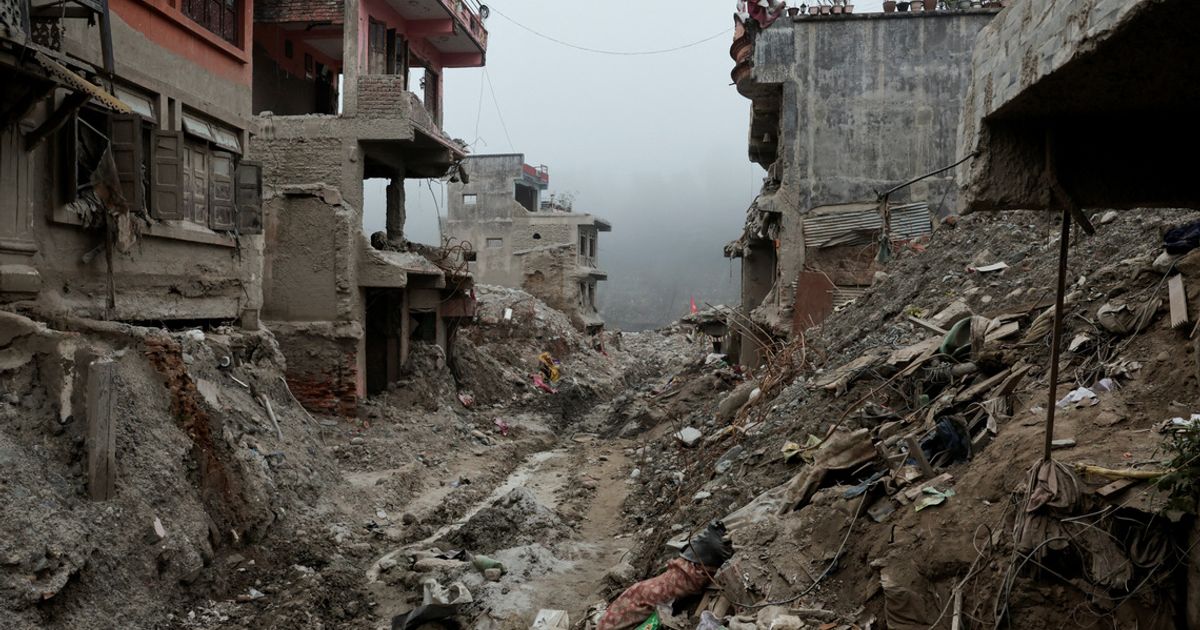
Photo: Straits Times Asia
Key points
- Trishuli Hospital reports a significant rise in anxiety and depression among flood survivors.
- The federal government has delayed resettlement decisions, missing-persons declarations, and rental relief.
- Displaced residents occupied state-owned land on Nov 17 in protest against administrative inaction.
Months after the devastating Aug 26 flash floods tore through riverside settlements in Nuwakot district, survivors continue to grapple with severe psychological trauma as local hospitals report a sharp surge in patients seeking mental health care. The disaster, triggered by a glacial collapse in the Langtang Lirung mountain, swept away homes, livelihoods, and family members, leaving victims plagued by anxiety, depression, and distressing flashbacks.
Hospital officials at Trishuli Hospital note that daily visits for mental health issues have jumped from a baseline of 20 to 25 patients to between 35 and 40. Families report that trauma is being severely compounded by administrative failures. The federal government has yet to decide on long-term resettlement for displaced families, officially declare missing persons dead to allow for final rites, or disburse promised rental relief and financial assistance.
Frustrated by administrative delays, displaced residents took direct action on Nov 17 by occupying state land in Kolanmi to erect protest tents. The ongoing limbo has left vulnerable survivors without adequate housing, financial aid, or closure.
The stakes
Displaced families bear the immediate human cost of prolonged government inaction, while the administration risks deepening public distrust and civil unrest if comprehensive rehabilitation and financial relief are not swiftly delivered.
Two readings
- Supporters of the affected communities argue that direct protests and land occupation are necessary levers to force an unresponsive federal apparatus into action.
- Critics or defenders of the administration may point to the immense logistical complexities of post-disaster reconstruction in mountainous terrain as the primary driver behind procedural delays.
Source Straits Times Asia — straitstimes.com/asia/south-asia/months-after-flood-devastated-fami… ↗
Read next
 ✒️Opinion & Analysis
ICJ Rules Myanmar Military Committed Genocide Against Rohingya
The International Court of Justice has found Myanmar's military guilty of genocide against the Rohingya, a ruling that damages the international standing of both Aung San…
 🕯️Democracy & Rights
Chinese teachers face rising parental pressure over personal life choices
Chinese educators are encountering a surge in unreasonable demands from parents, including complaints regarding teachers' pregnancy and maternity leave.
 🛡️War & Security
Ukraine Restricts Media Coverage of Infrastructure Damage Amid Russian Strikes
President Volodymyr Zelenskyy has issued a decree prohibiting media outlets from reporting on the impact of Russian strikes against critical infrastructure and the status…
 🏮China & Taiwan
Beijing Reaffirms Reunification Stance Following Taiwan Local Election Results
China’s Taiwan Affairs Office declared that the island’s reunification with the mainland remains inevitable, despite recent shifts in Taiwan's local political landscape.
 🇪🇺Europe
US Air Force Repels Unauthorized Drone Incursion at RAF Lakenheath
U.S. security forces at a British air base successfully countered a group of unidentified drones, amid growing concerns over potential foreign state involvement.
 🕯️Democracy & Rights
Malaysia to Display Artworks Recovered in 1MDB Corruption Scandal
The Malaysian National Art Gallery will exhibit four pieces of art previously linked to the 1MDB financial scandal, following their successful repatriation to the country…