India’s Labour Code Reforms Face Implementation Delays Across States
One year after India consolidated 29 central labour laws into four new codes, only three states have fully notified and implemented the required regulations.
 ⚖️Law & Policy
Photo: Hindustan Times
Key points
- Only three Indian states have fully implemented the four new labour codes one year after their introduction.
- The reforms aim to consolidate 29 central laws, standardizing definitions for wages and social security.
- Critics express concern that the new rules regarding trade union recognition and retrenchment thresholds could diminish worker protections.
A year after the Indian government introduced four major labour codes to replace 29 outdated statutes, progress remains fragmented across the country. While the central government has fully implemented its rules, only Gujarat, Uttar Pradesh, and Bihar have successfully notified and enforced the new framework at the state level. Other regions, including Andhra Pradesh and Maharashtra, have either only partially notified the codes or remain in the preparatory phase.
The new legislation, which covers wages, industrial relations, social security, and occupational safety, aims to standardize compliance procedures that previously varied significantly between jurisdictions. However, a report by the National Council of Applied Economic Research suggests that administrative hurdles, differing local labor-market conditions, and varying policy priorities have created a patchwork of implementation. The Union labour ministry has urged states to accelerate the process and integrate their local systems with national digital portals to ensure a cohesive regulatory environment.
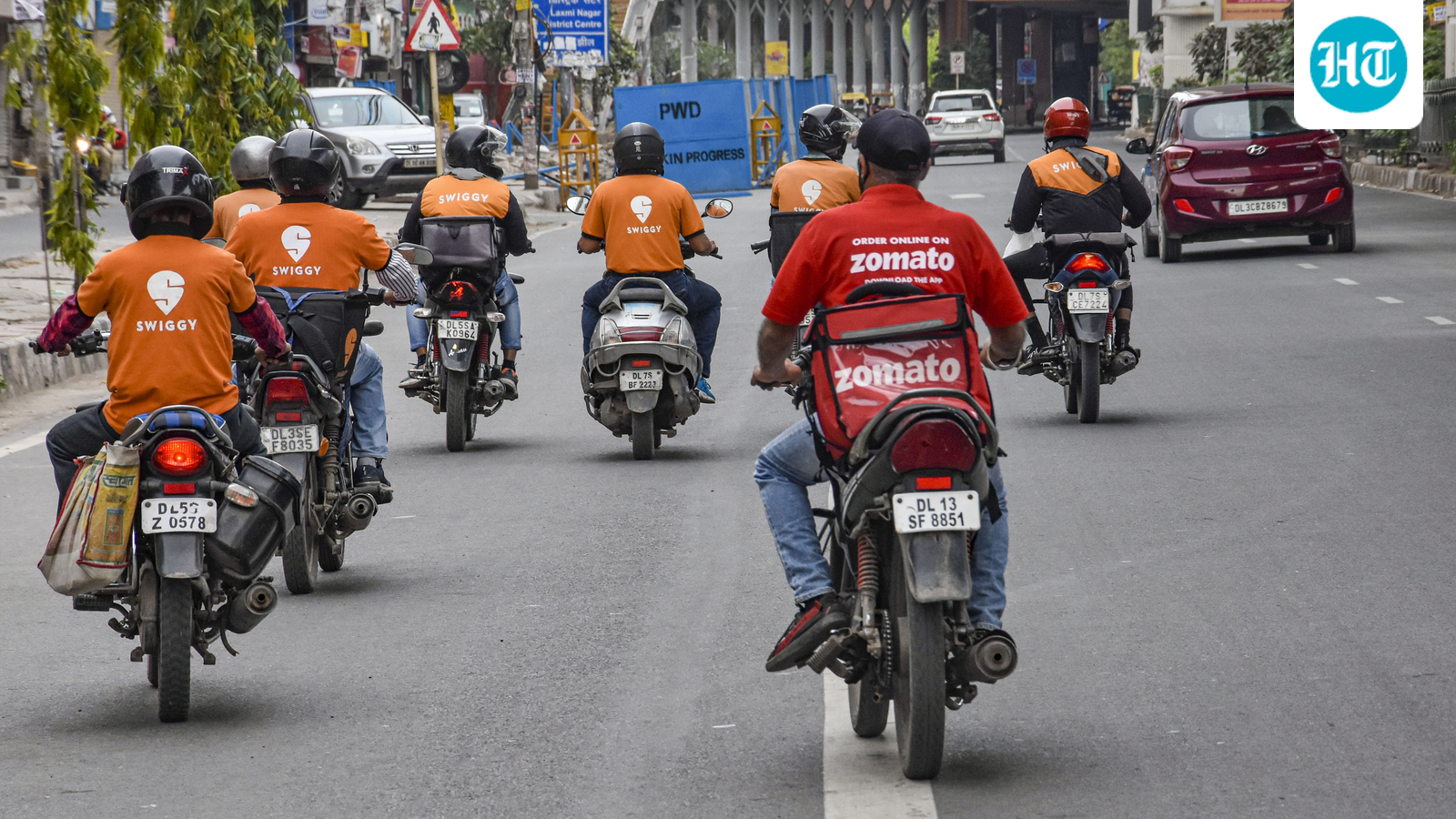
The reforms introduce significant changes to salary structures, requiring that basic pay and allowances constitute at least 50% of total remuneration for statutory calculations. While this shift is intended to boost long-term social security contributions, it may result in lower immediate take-home pay for many workers. Furthermore, the codes seek to formalize protections for gig and platform workers, though the practical extent of these benefits remains contingent on how individual state schemes are operationalized.
The stakes
The success of these reforms hinges on achieving nationwide consistency; failure to align state rules undermines the goal of simplifying compliance for businesses operating across borders. If implementation remains uneven, employers will continue to struggle with a fragmented regulatory landscape, while workers in non-compliant states may be denied the expanded social security benefits and formal protections intended by the new codes.
Two readings
- Supporters argue the codes modernize the labor market, provide essential social security for gig workers, and create a more efficient, standardized business environment.
- Critics contend that raising the threshold for layoff approvals and imposing strict requirements for trade union recognition weakens collective bargaining power and makes it easier for employers to terminate staff.
Source Hindustan Times — hindustantimes.com/india-news/one-year-since-labour-reforms-introdu… ↗
Read next
 ✒️Opinion & Analysis
ICJ Rules Myanmar Military Committed Genocide Against Rohingya
The International Court of Justice has found Myanmar's military guilty of genocide against the Rohingya, a ruling that damages the international standing of both Aung San…
 🕯️Democracy & Rights
Chinese teachers face rising parental pressure over personal life choices
Chinese educators are encountering a surge in unreasonable demands from parents, including complaints regarding teachers' pregnancy and maternity leave.
 🛡️War & Security
Ukraine Restricts Media Coverage of Infrastructure Damage Amid Russian Strikes
President Volodymyr Zelenskyy has issued a decree prohibiting media outlets from reporting on the impact of Russian strikes against critical infrastructure and the status…
 🏮China & Taiwan
Beijing Reaffirms Reunification Stance Following Taiwan Local Election Results
China’s Taiwan Affairs Office declared that the island’s reunification with the mainland remains inevitable, despite recent shifts in Taiwan's local political landscape.
 🇪🇺Europe
US Air Force Repels Unauthorized Drone Incursion at RAF Lakenheath
U.S. security forces at a British air base successfully countered a group of unidentified drones, amid growing concerns over potential foreign state involvement.
 🕯️Democracy & Rights
Malaysia to Display Artworks Recovered in 1MDB Corruption Scandal
The Malaysian National Art Gallery will exhibit four pieces of art previously linked to the 1MDB financial scandal, following their successful repatriation to the country…