British Households Stock Up on Essentials Following Government Be Ready Campaign
Retail data shows British shoppers increased purchases of emergency supplies like bottled water and tinned goods following the government's Be Ready campaign without engaging in panic buying.
 ⚖️Law & Policy
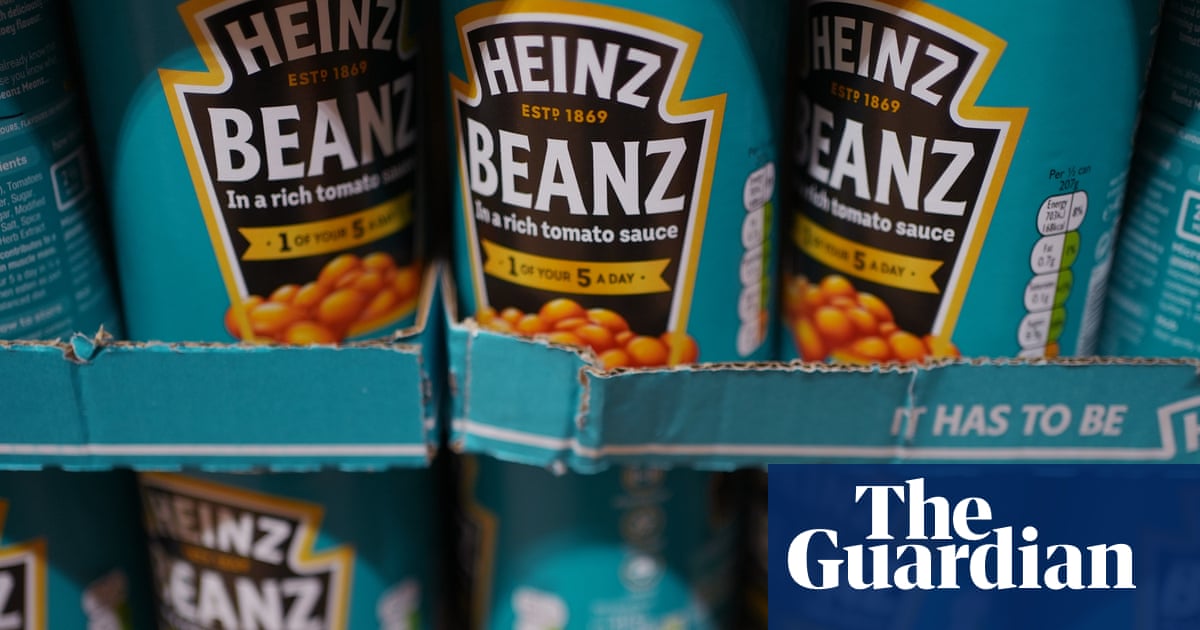
Photo: Guardian World
Key points
- British shoppers bought more emergency supplies after the government Be Ready campaign.
- Sales of bottled water rose 67% and tinned goods went up 37% without panic buying.
- Younger adults remain less prepared for emergencies compared to older demographics.
British households have increased their purchases of emergency essentials, including bottled water, canned goods, and hand sanitiser, following the launch of the government's Be Ready campaign, according to shopping data released by Worldpanel by Numerator. The government initiative advises citizens to maintain a three-day supply of provisions to cope with potential disruptions from severe weather or cyber-attacks.
In the ten days following the campaign's rollout, hand sanitiser sales jumped by 83% compared to the previous year, while bottled water sales rose 67% and preserved foods increased by 37%. Fraser McKevitt, head of retail and consumer insight at Worldpanel, noted that the data reflects methodical preparation rather than erratic panic buying, with consumers simply adding recommended checklist items to their regular weekly shops.
Additional findings from Barclays indicate that roughly 27% of citizens are stockpiling or considering accumulating provisions. Generational divides remain apparent in the data, with only 31% of adults aged 18 to 34 reporting sufficient supplies for a three-day emergency, compared to 53% of those aged 55 and older.
The stakes
The campaign's success in altering consumer behaviour strengthens the government's civil contingency framework by improving baseline national preparedness. Retailers benefit from steady, measured increases in demand for non-perishable goods, though overall household spending remains sensitive to broader cost-of-living pressures and rising grocery inflation.
Two readings
- Supporters read the story as proof that clear public communication and practical guidance can effectively bolster national resilience without triggering disruptive market panics.
- Critics read it as an indication that citizens feel increasingly vulnerable to systemic infrastructure failures, reflecting underlying anxieties about state preparedness.
Source Guardian World — theguardian.com/business/2026/nov/10/britons-stockpiling-water-food… ↗
Read next
 ✒️Opinion & Analysis
ICJ Rules Myanmar Military Committed Genocide Against Rohingya
The International Court of Justice has found Myanmar's military guilty of genocide against the Rohingya, a ruling that damages the international standing of both Aung San…
 🕯️Democracy & Rights
Chinese teachers face rising parental pressure over personal life choices
Chinese educators are encountering a surge in unreasonable demands from parents, including complaints regarding teachers' pregnancy and maternity leave.
 🛡️War & Security
Ukraine Restricts Media Coverage of Infrastructure Damage Amid Russian Strikes
President Volodymyr Zelenskyy has issued a decree prohibiting media outlets from reporting on the impact of Russian strikes against critical infrastructure and the status…
 🏮China & Taiwan
Beijing Reaffirms Reunification Stance Following Taiwan Local Election Results
China’s Taiwan Affairs Office declared that the island’s reunification with the mainland remains inevitable, despite recent shifts in Taiwan's local political landscape.
 🇪🇺Europe
US Air Force Repels Unauthorized Drone Incursion at RAF Lakenheath
U.S. security forces at a British air base successfully countered a group of unidentified drones, amid growing concerns over potential foreign state involvement.
 🕯️Democracy & Rights
Malaysia to Display Artworks Recovered in 1MDB Corruption Scandal
The Malaysian National Art Gallery will exhibit four pieces of art previously linked to the 1MDB financial scandal, following their successful repatriation to the country…