Supreme Court Rules Government-Controlled Societies Subject to Constitutional Scrutiny
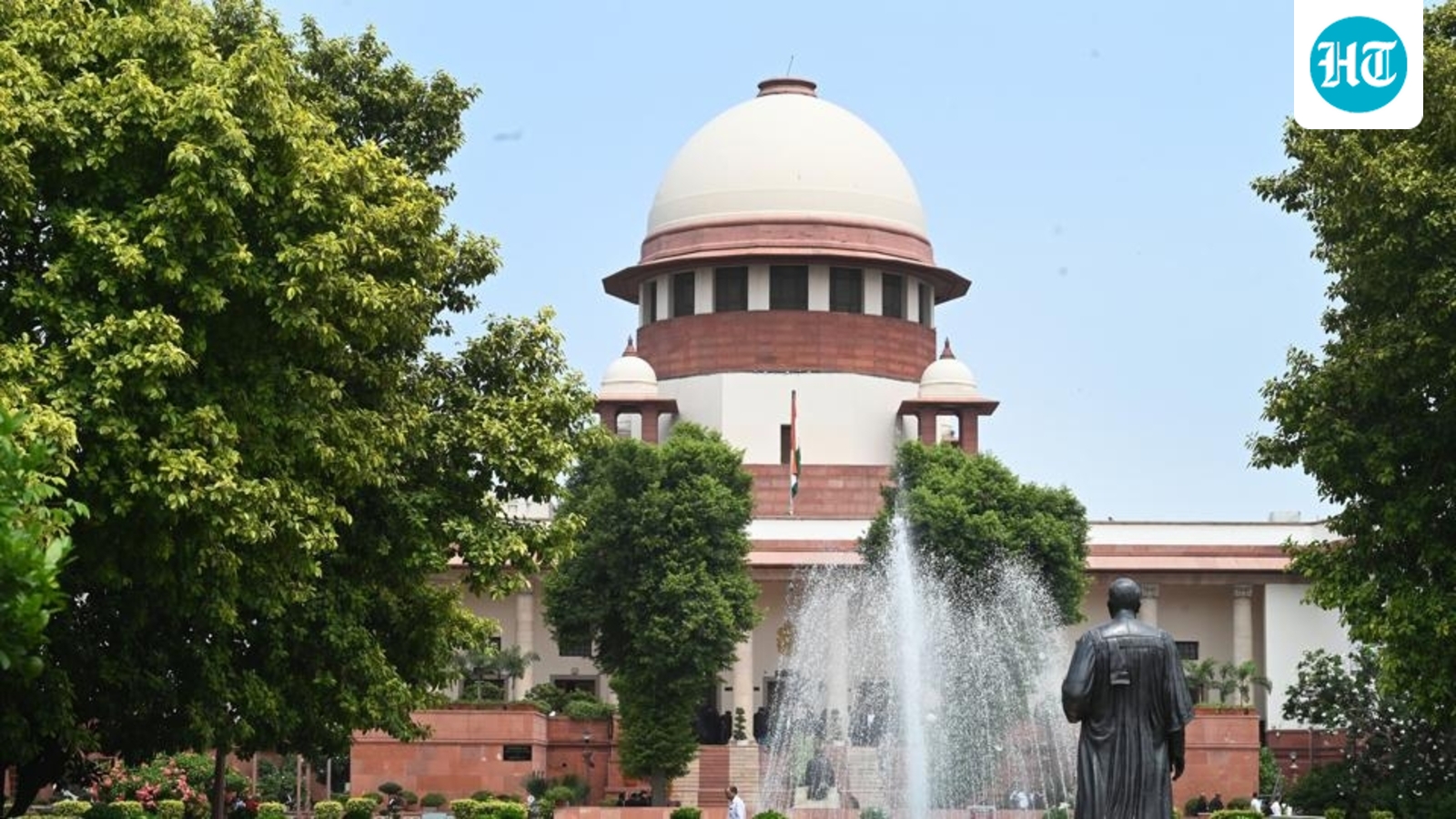
The Supreme Court of India ruled that organizations established as societies cannot evade constitutional scrutiny if the government exercises deep and pervasive control over their operations.
 ⚖️Law & Policy
Photo: Hindustan Times
Key points
- Supreme Court rules societies under heavy government control are subject to Article 12.
- National Book Trust upheld as an instrumentality of the state.
- Ruling mandates compliance with fundamental rights and judicial writ jurisdiction.
The Supreme Court of India ruled that an organization cannot escape constitutional obligations simply by adopting the legal form of a society rather than a government department. Justices Prashant Kumar Mishra and Augustine George Masih affirmed that the core determinant is the extent of government control over an entity's functioning, rather than its formal registration status.
The ruling dismissed an appeal by the National Book Trust, upholding a 2012 Delhi High Court decision that designated the trust as an instrumentality of the state under Article 12 of the Constitution. The bench noted that the government determines the trust's governing composition, appoints its leadership, and maintains deep oversight over its financial affairs and institutional framework. Consequently, the trust must comply with fundamental rights and remain amenable to writ jurisdiction.
While clarifying that mere receipt of grants or performance of public functions does not automatically classify a body as the state, the court emphasized that substance takes precedence over form. The judgment establishes that bodies under heavy administrative and financial tutelage cannot sidestep fundamental rights protections while operating under government oversight.
The stakes
This ruling exposes numerous government-backed societies and autonomous bodies to heightened constitutional oversight, ensuring that employees and citizens can challenge arbitrary actions under fundamental rights. While it does not automatically grant civil servant status to staff, it increases administrative accountability for public-funded bodies nationwide.
Two readings
- Supporters read the ruling as a vital safeguard preventing the government from evading constitutional accountability through shell legal entities.
- Critics argue that applying state-level scrutiny to autonomous cultural and educational societies could hamper their functional flexibility and independence.
Source Hindustan Times — hindustantimes.com/india-news/society-tag-can-t-shield-govt-control… ↗
Read next
 ✒️Opinion & Analysis
ICJ Rules Myanmar Military Committed Genocide Against Rohingya
The International Court of Justice has found Myanmar's military guilty of genocide against the Rohingya, a ruling that damages the international standing of both Aung San…
 🕯️Democracy & Rights
Chinese teachers face rising parental pressure over personal life choices
Chinese educators are encountering a surge in unreasonable demands from parents, including complaints regarding teachers' pregnancy and maternity leave.
 🛡️War & Security
Ukraine Restricts Media Coverage of Infrastructure Damage Amid Russian Strikes
President Volodymyr Zelenskyy has issued a decree prohibiting media outlets from reporting on the impact of Russian strikes against critical infrastructure and the status…
 🏮China & Taiwan
Beijing Reaffirms Reunification Stance Following Taiwan Local Election Results
China’s Taiwan Affairs Office declared that the island’s reunification with the mainland remains inevitable, despite recent shifts in Taiwan's local political landscape.
 🇪🇺Europe
US Air Force Repels Unauthorized Drone Incursion at RAF Lakenheath
U.S. security forces at a British air base successfully countered a group of unidentified drones, amid growing concerns over potential foreign state involvement.
 🕯️Democracy & Rights
Malaysia to Display Artworks Recovered in 1MDB Corruption Scandal
The Malaysian National Art Gallery will exhibit four pieces of art previously linked to the 1MDB financial scandal, following their successful repatriation to the country…